Digital is the new norm. We are in a world of touchpoints and interactions. Everything is measurable and usually quantifiable. All we want is to understand our customers, their needs and wants, what makes them tick and how to win their loyalty.
What’s more, business has changed over the past 15 years, with a definite shift toward the customer. We’ve started to understand that people want more than one-directional encounters with brands. They want something more. They want an experience.
And as these consumer expectations evolve, tried and tested business models are being put to shame by agile, digital start-ups. A steady revolution is sweeping across the corporate world and those that don’t catch wind are getting left behind.
This digital transformation isn’t something that just happened.
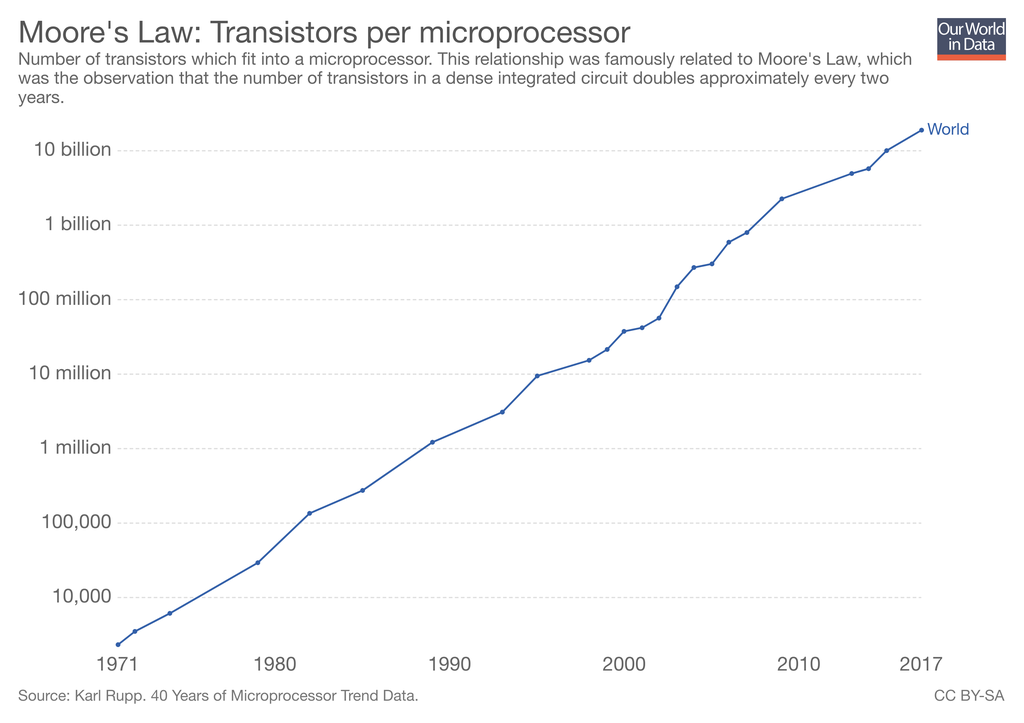

Nevertheless, there are too many examples of companies that have failed to ride the digital wave. Some failures are down to changing markets, while others are blatant examples of resistance to change.
In the case of Blockbuster, and other movie-rental businesses, could they have done more to adapt or diversify? The evolution of on-demand streaming didn’t happen overnight. Netflix didn’t just come into being, it was born of changing consumer markets and a new efficient medium: digital. Given Blockbuster went from 9,000 stores to just one in a matter of years, maybe not.
Consumers now expect digital experiences, and they expect them to be perfect. Given that a 10-second long page load can make 50% of people abandon the website, having a digital mindset is key.
To be a truly digital business, companies must embody digital inside and out. There is no point in designing a frictionless and award-winning digital customer experience if internally the company is resistant to change or is slow to adopt new technologies.
Only 11% of firms execute digital well.
One way to drive digital forward is by implementing a digital center of excellence strategy. This creates a basis for digital excellence across the organization which makes delivering key experiences and innovating easier in the long run. It will also mean that there is less chance of being left behind as technology inevitably evolves.
What is a digital center of excellence?
Is it a process? Is it a physical space? Is it an aspiration?
In reality, it’s a healthy combination of all three.
It’s a strategy that’s implemented across the business in order to drive effective and efficient digital processes. It has internal implications, given the necessity for free data flow, but at its core is a want to improve the digital experience for all customers and all interactions with the brand.
Quite often the digital center of excellence will be run by a central team that is dedicated to leading the change and establishing precedents for different teams and departments across the organization. For the strategy to be a success, it must be rooted in collaboration, communication and a dedication to innovate.
Why?
Digital is the number one way people interact with your brand and it’s represented at almost every point of the customer journey. In fact, more and more user journeys are digital-only. As a brand, you need to be optimizing across this journey. You need to be looking at the sum of all parts, but to do that you must have a strategy in place. This is when a digital center of excellence comes into its own.
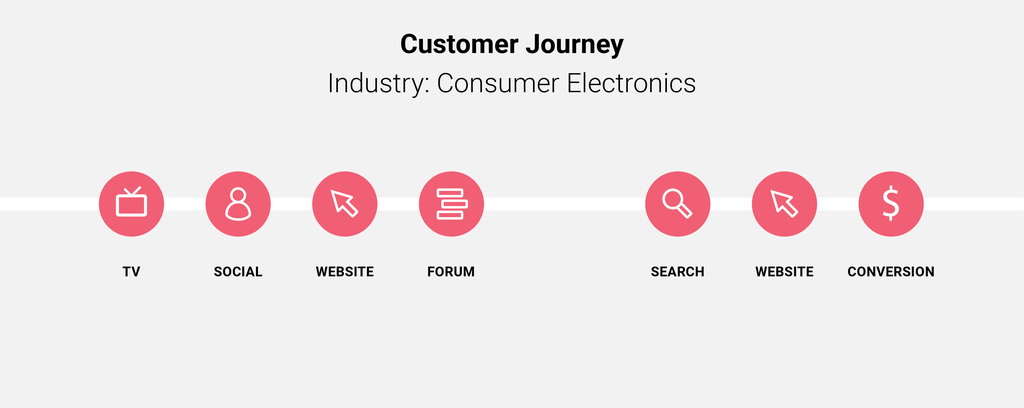
When you think of companies like Airbnb, Spotify, Amazon, or Uber, what do they all have in common? Seamless, frictionless and pleasurable customer experiences, and they are winning market share.
This is now what customers expect. If someone experiences a pain point when interacting with your brand, you’ve already lost.
42% of study respondents reported leaving a business due to inadequate customer service
| Reasons for leaving |
|---|
| Feeling unappreciated - 36% |
| Not being able to speak to a person - 26% |
| Unhelpful or rude staff - 26% |
| Being passed around to multiple agents - 25% |
| Being fed up of queuing - 20% |
| % of people who didn't even contact because of such low expectations - 7% |
Given how fragmented the customer journey is and the huge multitude of owned and non-owned touchpoints, it can be really hard to get it right. Things get even more complicated when your bring offline experiences into the mix.
This isn’t to say that if your brand transcends online and offline that you can’t win at digital. The key is to identify the opportunities for optimization and to avoid shoehorning digital into an interaction.
Always design with the customer in mind.
Regardless of what stage your company is at or which model you decide to go with, there are three core elements involved in a digital center of excellence:
- People
- Process
- Technology
The combination and balance of these will ensure this strategy succeeds.
People
People are at the core of every business. No matter how digitally focused we become, there will always be a team of people driving the business forward. And when it comes to implementing a change strategy, your need to ensure you have the right people in place to make it a success.
Low-hanging fruit
When it comes to implementing strategies that require a change in culture, it is helpful to lead by example. It is easier to effect change when people can see and identify the benefits for themselves and relate. One way to do this is to identify a team that acts as initial champions for the strategy. This could be your marketing team or your data and analytics team. Where is the low-hanging fruit? By starting small and working your way up you can take advantage of the network effect within the organization.
Education
The next key piece is education. People are inherently wary of what they don’t understand. Eliminate this risk. By teaching your teams about the importance of digital, the barrier to change will automatically be affected.
3 out of 4 marketers agreed that a lack of team education and training on data and analytics is their biggest barrier to basing more business decisions on data insights.
Data is an absolutely integral part of this strategy, so teaching people how to analyze and use data will be key. Obviously there will be different levels of expertise already established within the business so tackling education and training on a team-by-team basis can help overcome this.
Senior buy-in
In order for a digital center of excellence strategy to be a success, you must break down internal data silos. This isn’t easy and therefore requires the support of senior management and the C-suite. This strategy works best when driven from both the top down and bottom up. All levels need to be invested.
By setting a precedent with the C-suite, it will be easier to sell to other, less resistant, areas. Mandate the C-suite to communicate the strategy clearly. The organizational strategy should also be reflected within teams so department head buy-in is also essential.
Mindset and communication
Don’t be under any illusions that this strategy will run smoothly from start to finish. You will encounter barriers and you will have to overcome hurdles. This does not mean it’s a failure or not working. To change mindsets you must be open to risk and failure. The important aspect of this is learning from mistakes and issues when they happen and iterating appropriately.
In my experience, each failure contains the seeds of your next success - if you are willing to learn from it.
Communication and collaboration are your best friends. A conversation needs to be initiated and it needs to flow as smoothly as possible. How can we break down silos effectively? What issues are we encountering? Who are our emerging stakeholders? What will success look like? The easier the flow of communication is, the easier it will be to maintain a hold over the status of the project and foster ideas that emerge organically.
If you change the process for a team, ensure they are clear on what the feedback loop looks like. Instill confidence by showing people they’re being heard.
Process
‘Digital’ encompasses a lot, so when embarking on this project start in the places where you can effect the most change. The marketing team traditionally understand the importance of digital and data so for many companies this makes sense as a starting point.
In particular, marketing may have the audience insights needed to guide the entire customer relationship, moving it beyond branding and into the front lines of corporate strategy.
Traditionally the center of excellence can take three forms :
Center of excellence team
With this model, a central team is tasked with driving the strategy and implementing change. The team can either be at the center of the entire organization or located within each business unit for large multinational companies.
Distributed team
The distributed model takes a decentralized approach by embedding analysts within individual teams of functions. This allows for a nimble and agile approach that can effect change quickly. This strategy typically works best in organizations that have pre-existing and established digital processes.
Hub and Spoke
This hybrid approach combines the center of excellence and the distributed team models whereby an expert core team establishes guidelines and sets precedents while champions within each business unit are responsible for execution.
When it comes to choosing a model for your own organization it is best to examine how information is currently shared and distributed. Has something like this been done before and how was it executed? How have people typically responded to the culture change?
No matter which model you choose, it will require an element of culture change that will land easier with some compared to others.
Data
Do not underestimate the role of data in this strategy – it’s pivotal to its success. The issue is that data is in abundance and it needs to be prioritized. Trying to wrangle too much data is as hard as dealing with not enough.
Your teams should decide on the data that is most important and identify the core sets that will yield the greatest return. There are some obvious starting points.
Core Marketing Data Sources
| Data Sources | Why? |
|---|---|
| Social Data | Real-time customer and audience insights |
| SEO & Search | Website and industry insights and terms |
| Web Analytics | Website activity and conversion effectiveness |
| Content Performance | Campaign management |
| Press | Crisis monitoring and brand reputation |
| TV Analytics | Campaign performance and brand mentions |
These insights gleaned from these data sources should be distributed to different departments. When the flow of data opens up it will be easier to mine key data sets from the departments in question. You can then start to optimize processes and learnings across the organization.
When establishing the most sensible starting point for you team, you need to be confident on how the data is being collected. Does it need to be cleaned? Are you comparing the right sources? What’s the best way to roll it up to gather insights and showcase its impact?
During this process be clear on your KPIs. Ensure the KPIs within the marketing team are tied to overall organizational goals. Think customer-centric strategies, like customer lifetime value and acquisition cost. Define what success looks like and reward teams for committing to this type of reporting.
Forrester suggests the following:
“Work with finance teams to define a funding model for digital initiatives and to link the results of digital investment to the customer outcomes they drive”
Finally, ensure these results are being communicated openly. Remember your teams are leading by example so making insights and success metrics visible will help to positively influence them.
Technology
The technology that you choose to power this project needs to fit a few criteria:
- Does it support your needs?
- Can it integrate different data sets?
- Is it scalable?
- Will it be easily consumed?
Ideally you want a tool powerful enough to support your needs but that also presents data and insights in a way that’s easy to understand by everyone in the company. Only a few people or teams in the organization can boast being data fluent so you need to make it easy to digest and accessible for everyone that isn’t, no matter where in the world they are.
One of the major goals of this strategy is to effect change and make the data actionable, so the data needs to be clear and visible across the organization.
Given the number of tools marketers rely on, the technology you choose should be able to combine these different tools into the same platform. Start with the key data sources and then scope out the rest of the stack.
This level of integration will allow your team to make smarter and quicker data-driven decisions. Being able to compare key data sets such as search and social will surface greater opportunities while also keeping the customer at the forefront.
Additionally, by having a central place to display key customer journey data, you will be able to optimize across these interactions more easily, creating greater efficiency and ultimately providing a better experience for customers.
A Digital Strategy allows you to understand the who, what, when and where of listening and responding to consumers, bridging brand experiences, iterating offerings, and collecting and activating consumer relationships in order to accomplish an actionable and measurable objective.
The Brandwatch Vizia platform has been designed with this objective in mind. It allows our customers to integrate key data sources and make them visible across the organization.
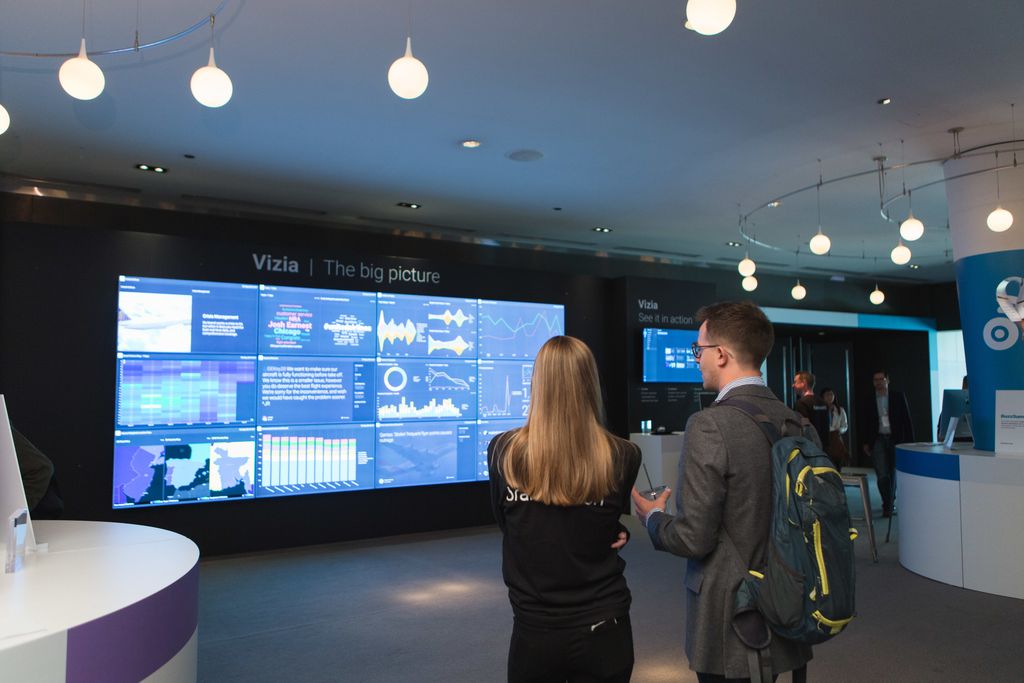


The visual design makes data compelling and difficult to ignore thus reducing the time to insight.
Our vision at Dell is to really understand our customers and as a result, how our business is aligned to needs and impact. Vizia leverages the power of visual content to deliver insight to our business from all sides of the house. We recognize the ability to mentally process images 60k faster than text and this helps our people to quickly assess and take action.
Digital Center of Excellence Considerations:
Before embarking on this project or progressing a process already in place, consider these questions and use the answers to shape your strategy to your specific needs and requirements.
- What’s the ultimate goal?
- How mature is the business?
- What level of data literacy exists within my organization?
- What degree of customer-first processes are in place?
- Who are the key stakeholders?
- What’s the most effective way to initiate this strategy?
- How open to change is the business?
- Do we know what competitors are doing?
- What are the industry benchmarks?
- What will success look like?
Having a digital mindset as a company is no longer a nice to have, it’s an absolute imperative. Your customers expect the highest standards and are the lifeblood of your organization, so do everything you can to foster their loyalty. Being digital inside and out will help you achieve success while also preparing for the future and the inevitable change that’s to come.
“The future of digital in business to me is one where businesses leverage their customer data in ways the customer not only allows, but asks for — incorporating the relationship with the brand into one’s everyday experiences. What that means is that ‘digital business’ implies you’re not always in sales mode. You know that your customers want engagement, entertainment and information at different intervals and opportunities that may or may not have any connection to their next purchase. Understanding your customer journey — not just to your product, but with your products — and meeting those (as of yet unexpected) expectations on a regular basis to truly become a part of that customer’s regular lifestyle and experience: That’s being the digital business of tomorrow.”