Know why Gen Z are obsessed with shoes? Or that boomers love gifting? Do you know why millennials are tired of road trips, and Gen X are all about self-improvement? We do.
We analyzed millions of social media conversations to understand how each generation is shaping (and reacting to) trends in retail, food, and travel. This report gives marketers the insights needed to stay ahead of the latest generational trends.
So, whether you’re looking for inspiration for your next campaign, want to better understand your target demographic, or are just curious about what different generations are saying about different topics – this report has you covered.
Here’s what you need to know.
Methodology: We used Brandwatch Consumer Research’s built-in Ready to Use Social Panels to analyze mentions across different generations and industries for this report. We looked at four generational groups: Gen Z, millennials, Gen X, and baby boomers. To define our trends, we dove specifically into retail, travel, and food conversations.
We analyzed mentions between January 1, 2024 and March 31, 2025. References to “the previous period” refer to the 15 months prior to this timeframe. We analyzed data from X and Reddit.
Keep reading or jump directly to each section:
If you’d like to do this analysis yourself – you can. No matter the audience, vertical, or topic you’re interested in, Brandwatch can help you find the insights you need. Book a free demo now.

Gen Z
From shoe obsessions to food-focused vacations, here are the trends impacting Gen Z right now.
Gen Z won’t compromise on food when traveling
Gen Z take the cake when it comes to talking food and travel. With over 47k mentions, the generation has a higher percentage of food chat than any other generation. But this volume of chatter doesn’t equal optimism: Gen Z are picky about where their next bite comes from.
In fact, 59% of their sentiment-categorized mentions about food and travel are negative. This generation doesn’t shy away from sharing their underwhelming dining experiences.
The generation is craving shareworthy food experiences that deserve a mention on social media – whether it's leaving a review, sharing a snap, or even creating experiences worthy of a social media interaction.
But for Gen Z, the best meals are the ones that satiate their heart: food is closely tied to connection. Conversations about food also mirror a need for quality time with loved ones – and the restaurants that provide a space for connections thrive.
The food brands that find a balance between delicious dishes and emotional connection can benefit by tapping into the 42% of emotion-categorized mentions that are joyful.
Takeaway for brands
For Gen Z, food is a vital part of the traveling experience. But brands that get it wrong can come under fire. To win Gen Z over, food brands need to go beyond the plate. Curate appealing, connection-rich dining experiences that encourage shareability.
Gen Z are fashion-obsessed (especially with shoes)
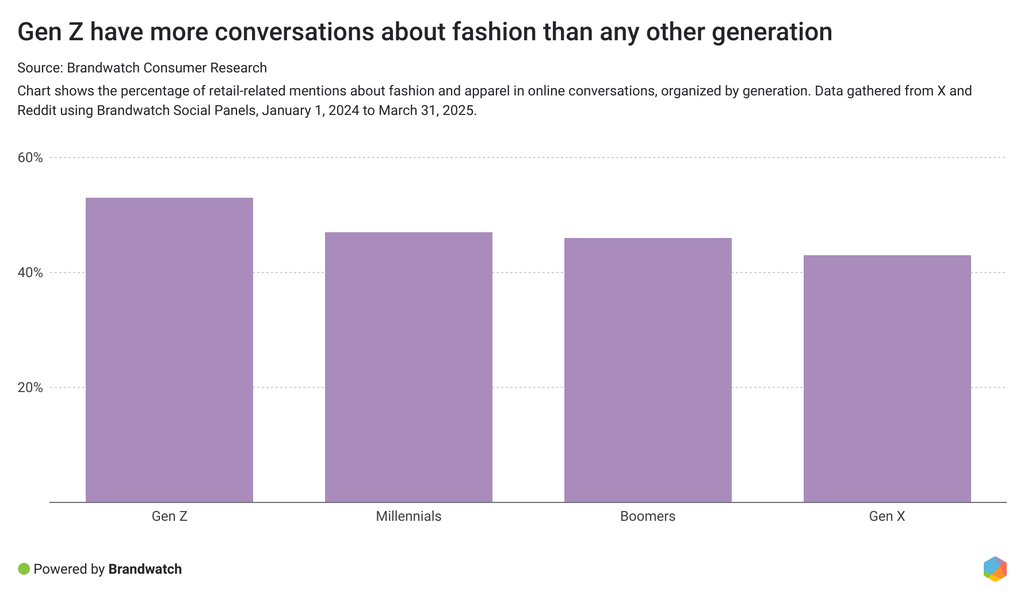
Gen Z's love for fashion really shines in online conversation. With over 1.2m mentions, and more than half of all retail mentions from Gen Zers (53%) related to fashion and apparel, the generation is talking about fashion more than any other generation.
From their latest influencer inspiration to trending fits, Gen Zers are quick to share their fashion thoughts on social.
But Gen Z aren’t just fashion fans – they’re sole-searchers. Shoes are stealing the spotlight – they were the most mentioned clothing topic in the fashion conversation by Gen Z authors, with a whopping 159k mentions.
When using Brandwatch’s Iris AI to analyze these mentions, an interesting insight emerged: shoes hold a special place in Gen Z’s hearts. Shoes are more than an item of clothing; they’re symbols of identity and self-expression.
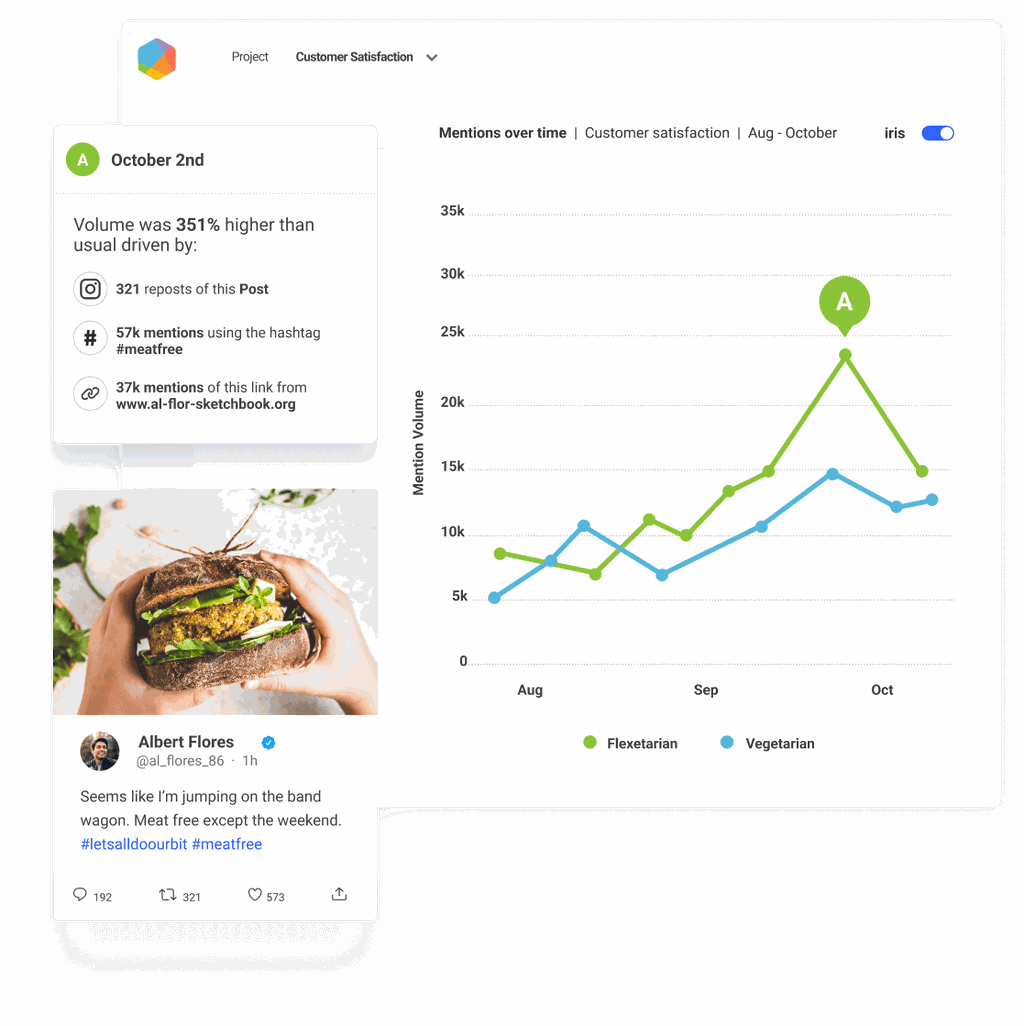
From sharing anecdotes about their favorite childhood shoes to expressing themselves with funky colors or unusual shapes, zoomers are keen to show off their latest footwear.
Self care and healing is wearing the shoes your ex said were too ugly for the first time 🖕💖
— ✨🌈 benji 🌈✨ (@servalsurf) March 13, 2024
(I’ve had these shoes for years but never wore them till now…finally beginning to feel like myself again) pic.twitter.com/VODDJHiBvE
These conversations emphasize that shoes aren’t just about style – they often carry personal meaning, memories, feelings, or even a sense of social status. Brands that make room for this kind of shoe sentimentality are likely to reap the rewards.
Takeaway for brands
Footwear isn’t just fashion; it can be a powerful form of self-expression. To capture Gen Z’s attention, brands should focus on marketing shoes through storytelling to add an emotional element to the purchase process.
Gen Z are fasting for focus, energy, and emotional clarity
Gen Zers are truly embracing wellness and they’re not afraid to talk about it on social media. From drinking more water to building new (healthier) routines, is vocal about transformations that make them feel better, inside and out.
Food-related trends include rising mentions of “good food,” “real food,” and “drinking water,” pointing to a desire for more mindful, intentional choices. Many Gen Zers also link personal changes to habits like better rest, drinking less alcohol, eating more nourishing meals – and yes, fasting.
Mentions of fasting rose 64%, with broader conversations around diets and fasting up 91% – reaching 40k mentions. Some Gen Zers say fasting helps them feel more productive and emotionally grounded, and they’re eager to document that journey.
But this isn’t the full picture.
While many posts are about wellness, others reflect more troubling trends. Hashtags like #SkinnyTok – whose search results were recently blocked by TikTok due to concerns over unhealthy weight loss content – have drawn criticism for promoting extreme thinness and disordered eating behaviors. Gen Z’s openness about health is powerful, but it also makes it easier for harmful ideas to spread under the guise of “wellness.”
Takeaway for brands
Gen Z are clearly prioritizing wellness, and they’re turning to social media to share routines, tips, and transformations. For brands, this is an opportunity to support that journey by creating content and experiences that promote balance over aesthetics. But brands should approach topics like fasting with care.
Millennials
Millennials are opinionated – especially in online conversations. Here’s what’s making an impact for the generation (and how brands can get on the right side of the chatter).
Millennials are big on calling out fast fashion
Millennials are leading the charge against the fast fashion industry. They’re voicing concerns about sustainability, unethical labor practices, and the environmental impact of disposable clothing more than any other generation.
And not only is fast fashion a huge talking point for millennials, but it’s one they feel strongly about. They have the highest percentage of negative mentions compared to any other generation.
Anger is the most prevalent emotion in categorized mentions – dominating 39% of the conversation.
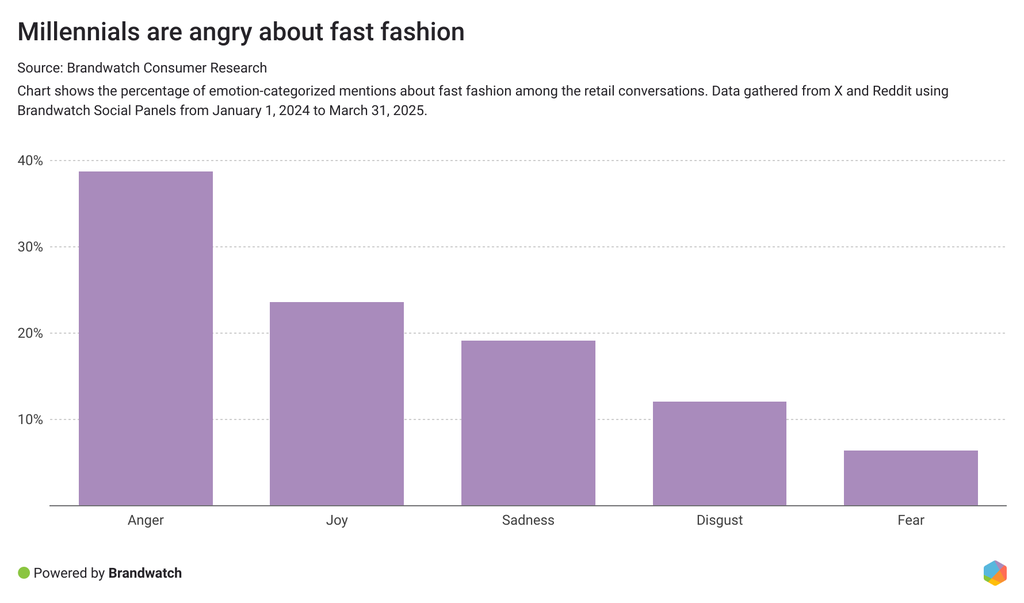
It’s obvious that the generation is frustrated. But what’s sparking these conversations?
Many millennials are fed up with flimsy fabrics and a throwaway culture which encourages new wardrobes every season. The slow pace of regulatory change is also adding fuel to the fire, with users calling for stricter fashion regulations.
But it’s not all negative. Many are swapping the guilt for greener ways – and falling in love with your clothes is highly encouraged.
What’s gaining fresh momentum is slow fashion. While it’s not a new concept, it’s resonating more than ever. Millennials are advocating for the joy that can come from thoughtful purchases and handmade pieces, shifting the need away from quantity towards quality. Plus, curating a better personal style is inviting for millennials.
Takeaway for brands
Millennials are mad about fast fashion – and not in the good way. Brands should focus on durable, ethically sourced, and sustainable products to not only earn sales, but to earn loyalty. Campaigns about truly loving your clothes could do well with this discerning audience.
Millennials raise alarms over energy drink addiction
Energy drinks is a big topic for millennials, with mentions rising 11% over the time periods we analyzed. Notably, the conversation gathered a large volume of negative mentions – accounting for 44% of the sentiment-categorized conversation, while positive mentions made up just 15%.
The generation expressed growing concerns about the long-term health effects of energy drinks, particularly for younger people – raising alarms about how easily these drinks are accessible in kiosks and supermarkets near schools.
Some individuals also shared personal struggles with energy drink addiction, citing health concerns like high sugar content alongside financial reasons for cutting back.
Energy drinks have become a go-to for students, shift workers, and young professionals looking to power through long days. Marketed as a quick fix for fatigue and focus, they’re often used to get over the finish line – whether that’s a deadline or a late-night study session.
While some report short-term benefits like increased energy and alertness, others describe sugar crashes, anxiety, and burnout. One millennial put it bluntly; “Energy drinks don’t cut it anymore, I need to eat batteries.” This tension between instant energy and long-term health is fueling a deeper conversation.
Takeaway for brands
Millennials are rethinking their reliance on energy drinks. While few are ditching them entirely, rising concerns around health and addiction are pushing many toward better-for-you alternatives. Brands have an opportunity to respond with low- or no-sugar options, transparent ingredient lists, and responsible marketing that acknowledges overconsumption risks.
Millennials are tired of road trips
Millennials aren’t riding high when it comes to road trips. A notable 53% of sentiment-categorized mentions about road trips were negative – which is higher than any other generation.
From surprise tolls to super long work trips, it’s clear that road trips are more of a chore than an experience for millennials. And when an unreliable car is added to the mix, the generation are quick to berate the brand online.
More than anything, millennials want advice – and they’re turning to the internet to get it. From figuring out if their car can handle the distance to finding accessible routes, millennials are looking for answers that make the road feel a little less rough.

Millennials are quick with the humor, too. From wrong turns to mishaps with their vehicles, a trend emerges of sharing funny stories online. Embracing the unusual – and often frustrating – millennials are happy to make light of a bad situation (unless it’s a really bad one).
Laughing about something dumb I said within the first 15 mins of a road trip that my boyfriend didn’t find funny for the entirety of the 2hrs on the road is a special kind of pain
— the bog mommy 🪻 (@milkybinch_) August 2, 2024
Takeaway for brands
If road trip chatter tells us anything, it’s that millennials crave reliability and low-stress travel. Whether it’s dependable transport or smart, helpful tech, they’re after simple, seamless experiences – and that expectation goes far beyond travel.
Gen X
Want to target Gen X with your latest campaign? From urban getaways to online shopping habits, here’s what’s making Gen Xers tick.
Gen X are embracing lasting lifestyle changes
Many Gen Xers are seeking lifestyle changes as part of a broader journey toward self-improvement – and they’re encouraging others to follow suit. These conversations aren’t just about self-discipline: this generation is eyeing transformations, and weight loss seems to be one of the bigger talking points.
When analyzing conversations around lifestyle changes, weight loss stood out with both the highest mention volume (close to 9k mentions) and the largest increase compared to the previous period – up a surprising 181%.
Many Gen Xers celebrated milestones in their recovery from habits like overeating, excessive sugar consumption, or alcohol use, while others shared the positive effects of adding moderation.
Mentions of detoxing also doubled for Gen X, with a boost of 86% of new voices joining conversations on the topic.
The emphasis on overall wellness from Gen Xers shows a strong preference for sharing emotional life changes on social. Whether it’s to encourage others or receive feedback from friends and family, these conversations are often deeply personal and emotional.
Takeaway for brands
Gen Xers are making big lifestyle changes (especially around weight loss) as part of a broader focus on health and wellness. Brands can meet them where they are by offering clean-label, low-sugar, and functional products – and by creating emotionally resonant content that speaks to the personal side of health journeys.
Gen X take urban getaways seriously
Gen X are leading the way with chatter about urban getaways and city breaks – talking about the topic nearly 30% more than the generational average. Yet, while conversations are peaking among Gen Xers, sentiment is mixed.
Over half (54%) of emotion-categorized mentions expressed anger, with joy coming in as the second-most prevalent emotion at 22%. So, while Gen Xers like chatting about city getaways, the experience often falls flat. Crowded conditions, travel logistics, and service hiccups lead to frustration with city breaks. And the biggest irk for city travelers was trouble getting around.
Yet, despite the negativity, the desire for an urban getaway remains high. Plenty of Gen Xers are excited about the prospect, chatting about the best cities to visit on vacation –looking for and providing recommendations to others.
In particular, Reddit plays host to plenty of conversations about urban getaway recommendations, with Gen Xers sharing their wisdom, swapping tips, and chatting hidden gems.
Takeaway for brands
Gen X are big on urban getaways – but only if it’s stress-free. Travel brands looking to target this generation should focus on streamlining logistics and offering insider tips to help lean into their desire for carefree urban getaways.
Gen X are selective with their online shopping
Gen X are the chattiest generation when it comes to online shopping. In fact, when comparing retail topics like skincare, gifting, fashion, and home and decor, a notable 18% of all mentions from Gen X were about online shopping.
Yet, Gen X can be picky. When diving into sentiment, we can see opinions are mixed.
Half (50%) of all mentions about online shopping by Gen X showed anger, yet joy isn’t far behind at 29%. Sadness (13%), fear (4%), and disgust (4%) are also notable.
When diving into these mentions, Brandwatch’s Iris AI detected an interesting trend: the failings of ecommerce among Gen Xers. The generation, having grown up offline, were the first adopters of ecommerce options. And today, they’re big on usability.
From website issues to delivery frustrations, brand’s shortcomings with online shopping are causing a stir for Gen X. They’ve seen the joy that a smooth ecommerce experience can bring – and it’s not looking good for the brands that get it wrong.
After all, ecommerce brands need to remember that online shopping is all about convenience.
Takeaway for brands
Brands need to get ecommerce right to appease an opinionated Gen X. Audit your full online experience – from first click to doorstep – or risk causing a stir among Gen Xers on social. Focus on your consumer research strategy to get a true grasp of what your Gen X audience expects when it comes to online shopping.
Baby boomers
Baby boomers are sharing the love on social. From romantic getaways to meaningful gift-giving, here are the biggest trends for boomers right now.
Baby boomers love gifting
Baby boomers are the champions of generosity in online conversations. Gifting stands out as the most positively discussed topic for the generation in the retail conversation.
While the average positive sentiment around gifting across other generations is 51%, boomers are stepping things up. 57% of their sentiment-categorized mentions about gifting were positive.
Boomers are clear on their love for gifting, and it’s no mystery as to why. The joy of both giving and receiving presents is evident in most online conversations.
Whether it’s sharing a friend’s reaction or discussing where they bought their latest find, baby boomers are more likely to open up about their gifting.
So, this happened last night. For our 25th wedding anniversary coming up on July 17th, I secretly bought @deebawiec a 1999 Jaguar XK8 as a gift! 99 was the year we got married. Suffice it to say, she was excited. 😁 pic.twitter.com/yZSJJi0rw3
— Rick B. (@rickybaw) July 7, 2024
Takeaway for brands
Brands can turn boomers into ambassadors by making the gifting experience more memorable. Whether it’s unique packaging or easier options for personalization, brand can help by making these moments more special.
Baby boomers are prioritizing romance when on vacation
When it comes to romantic getaways, baby boomers are showing us how it’s done. The generation talks about romance in conversations about vacations more than any other generation. And they're happy about it, too – 72% of sentiment-categorized mentions from baby boomers about romantic vacations were positive, compared to an average of 53% for other generations.
For baby boomers, travel is a time to connect with spouses and partners. Mentions discuss how travel can deepen connection, and they’re sharing their excitement online – whether it’s the excitement of an upcoming trip or a previous vacation which created romantic memories.
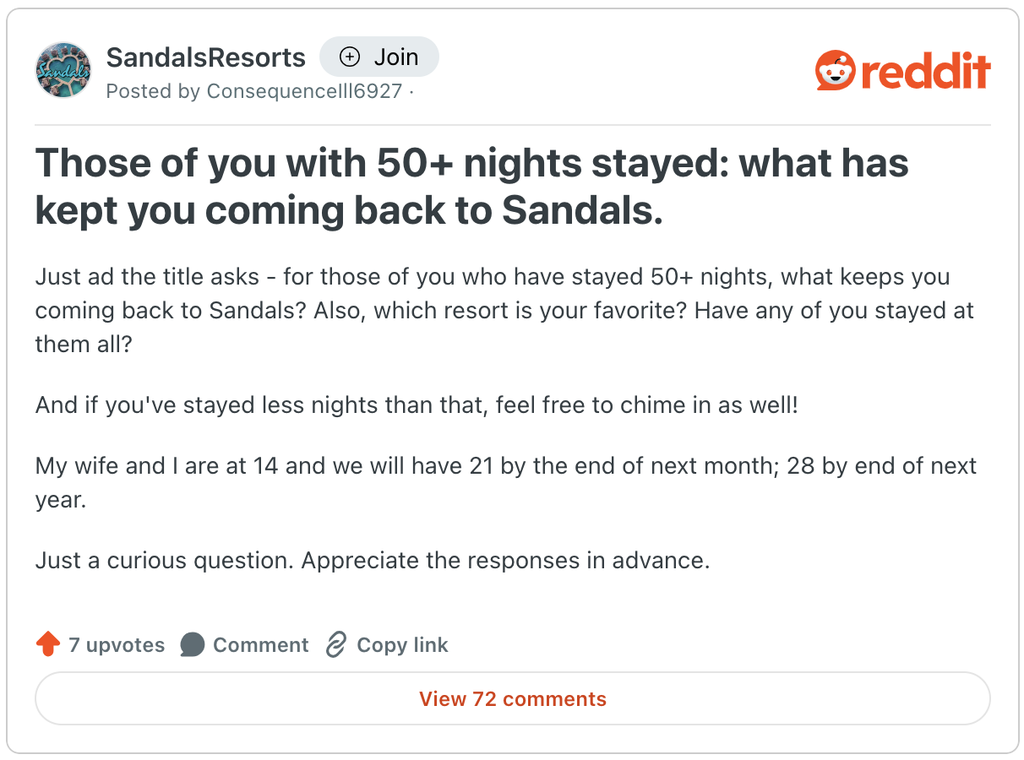
Adults-only resorts, free goodies for couples celebrating an anniversary, and affordable pricing are just some of the benefits that keep couples coming back for more. And diving into these conversations can reveal exactly what brands need to do to encourage repeat customers.
Romance books are a prevalent topic for boomers, too. Sunny vacations are the perfect opportunity to pick up a good book, and baby boomers are reaching for romance novels to quench their thirst.
Takeaway for brands
Boomers are all about emotional and romantic connection. Brands can encourage repeat customers through romantic perk packages and affordable pricing.
Boomers are pushing back on milk with additives
Baby boomers are speaking up about food quality and safety – and their concerns are getting specific. Conversations are increasingly focused on chemicals and additives in everyday products, with milk becoming a surprising flashpoint.
In these discussions, people singled out a specific cow feed additive, Bovaer, questioning its effects on people’s health. On social media, these consumers urged others to boycott large retailers in Europe that are selling milk from farms that use Bovaer in feed, with some also encouraging a switch to plant-based alternatives.
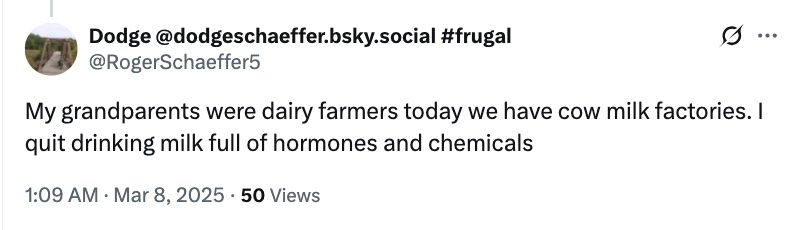

Milk-related mentions among boomers rose by 45% compared to the previous period, reflecting the intensity of the conversation.
These conversations also reflect a deeper distrust in how food is regulated and marketed. Concerns extended beyond Bovaer to include broader issues around transparency in labeling, environmental impact, and animal welfare. Many baby boomers advocated for plant-based diets and sustainable farming, urging others to support local, organic producers and demand accountability from retailers.
Takeaway for brands
Boomers are driving conversations around food safety and sustainability, signaling a growing demand for transparency, cleaner ingredients, and plant-based alternatives. For brands, this means offering responsibly sourced, plant-forward options – and building trust by communicating where food comes from, what’s in it, and why it matters.
Now it’s your turn
With Brandwatch Consumer Research and Social Panels, you can quickly sift through billions of consumer conversations, zero in on the audiences that matter the most, and uncover valuable insights.
You’re not limited to just generational segments, either. Brandwatch’s Ready-to-Use Social Panels let you analyze pre-built groups of consumers based on shared criteria like occupation, gender, or interests such as animals, art and design, veganism, or automotive topics. Alternatively, you can create your own custom audiences to run large-scale focus groups and gather feedback in real time.