
How Spinnin’ Records discovers breaking artists early with social listening
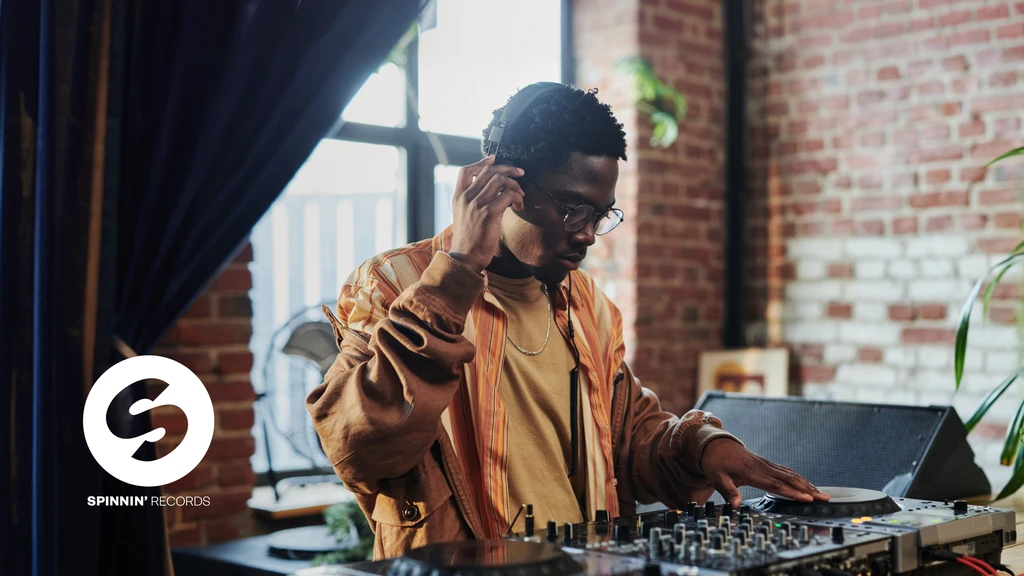
Spinnin’ Records needed a way to cut through scattered fan conversations across social media and spot emerging artists before competitors, while shifting from gut-based decisions to data-driven insights.
Using Brandwatch Consumer Research, Spinnin’ Records centralized social listening across TikTok, Reddit, Instagram, and more – turning millions of fan conversations into actionable insights for artist discovery, campaign planning, and development strategy.
Shifted from reactive, post-release strategies to proactive, pre-release insights. The team now identifies viral moments and emerging artists early, invests marketing budgets with confidence, and understands cultural momentum that predicts long-term streaming success.
Brandwatch Consumer Research
About Spinnin’ Records
Spinnin' Records is one of the world's leading electronic dance music labels. Founded in 1999 in Amsterdam, they’ve launched the careers of some of electronic music's biggest names, including Tiësto, Afrojack, Martin Garrix, and Don Diablo.
While digital engagement remains a cornerstone of their growth strategy, Spinnin' Records needed a way to understand not just what was being listened to, but also the conversations, emotions, and cultural moments that drive fans to connect with their music. The label wanted to move beyond gut instinct to make faster decisions backed by a deeper understanding of real audience behavior.
We spoke with Adineh Hosseinpanah, Audience Research and Insights Manager at Spinnin' Records. Adineh's team is responsible for understanding who their fans are, what they care about, and where conversations are happening.
This case study covers:
- Turning fan conversation insights into marketing strategies
- Building a data-driven culture in a creative industry
- Using social listening to identify emerging artists and signing opportunities


Too much noise, too little time
For over two decades, Spinnin' Records leveraged deep industry instinct and experience to guide its success. Traditionally, strategies were refined by observing a track's performance post-release and adjusting marketing efforts accordingly. Today, the label is building on that foundation by transitioning from a purely intuitive approach to one powered by real-time, data-driven insights, allowing the team to proactively shape an artist's trajectory from the start.
Music trends come and go fast, and timing makes all the difference. While Spinnin' Records has always been a leader in identifying hits, the team recognized an opportunity to act even faster using data-driven tools. By leaning more into data, the label aimed to anticipate fan behavior and spot emerging trends at their earliest stages – so when the right moment hits, the team can move fast.
There was also a cultural shift to navigate. After 26 years of industry-leading success, the challenge was showing how data-driven insights could strengthen well-established creative workflows. “It's always hard to shift how people think and do their work,” Adineh says. The team wanted to show that social listening could complement their marketing expertise and help artists develop more strategically. For leadership, the priority was proving that these insights would provide high-impact, actionable intelligence rather than simply adding another layer of reporting.
Spinnin' Records also needed to stay ahead on emerging talent discovery. Major events like Amsterdam Dance Event (ADE) would generate buzz around new artists, but without a systematic way to track who was gaining traction and where, the label risked missing out on the next breakout act. As Adineh put it, “We have to act on it as soon as possible. Otherwise, our competitors – other labels – will act on it.”
That meant bringing all their audience signals into one place, making insights accessible and easy to act on – thereby proving that data could support creativity, not stifle it.
Turning social intelligence into action
To transform how they work with audience data, Spinnin' Records turned to Brandwatch Consumer Research.
Rolling out social listening
Implementing the tool wasn't the biggest obstacle; it was changing how the organization thought about fan insights. To ensure the tool integrated well, the Spinnin’ Records team rolled out social listening in three stages.
1. First stage: Bringing all data sources together
“Step one for us was really simple – to use an integrating tool, and Brandwatch became that one place where everything came together,” Adineh says. Instead of jumping between platforms, the team could now see the full picture with Consumer Research: mentions, sentiment, and context across all their artists and tracks in one place.
2. Second stage: Creating data-sharing rituals
"Data only works if people want to use it," Adineh says.
Adineh's team started by creating a weekly ritual of pulling and sharing insights amongst themselves. They looked into what was trending, what was happening before and after releases, what people were saying about the artist, tracks, or the label – and how they were feeling about it. Once established internally, they expanded the practice across the organization.
3. Third and final stage: Making data part of the larger conversation
The final step was embedding insights into everyday conversations. “Once we started sharing the insights in our briefs and daily chats, things started to click for people, and everybody began working toward the same story,” Adineh explains. “That's when insights moved from just being a report sheet to being part of the culture of the company.”
To get people on board, Adineh focused on making the data tangible. “I try to give people story-like insights – shorter insights with visuals and aesthetics.” A regular weekly cadence made it all stick – over time, insights became part of the normal language people referred to when planning campaigns.
Understanding what drives streams
While streams are a key metric for the record label, they don't tell the full story.
“Streams are the outcomes, the end results,” Adineh explains. “The real story often starts much earlier, even before the release date. It unfolds in the conversations people are having online.”
Online conversations are powerful because they reveal people’s streaming behavior: why people stream what they stream, and what pushes them to reach for their device, pull up a streaming platform, and press play.
Understanding listeners’ motivations has shifted how Spinnin' Records think about their audience – moving from simply tracking numbers to uncovering the why behind fan behavior.
Discovering artists and planning campaigns
Social listening now touches every part of how Spinnin’ Records operate – from spotting viral talent and signing artists to developing their sound and refining marketing strategies.
Spotting emerging artists first
When major industry events like ADE generate buzz online, the Spinnin’ Records team monitors conversation volume and sentiment using Brandwatch and flags emerging artists to the A&R team. “If we see that after ADE one name is popping up a lot in relation to a specific track and in a specific market, like in the Netherlands, then we know we have to talk with our partners in the Netherlands or in the Benelux about that specific artist.”
The team also tracks viral moments on TikTok and cross-reference them with conversations on platforms like Reddit. When they spot something going viral, they search for the artist across different platforms to see how much traction they’re gaining. If that artist's name is popping up frequently on Reddit, especially in forums dedicated to dance music, and their songs are gaining popularity on TikTok, Adineh flags it immediately to the A&R team.
Shaping marketing campaigns
Social listening also informs how Spinnin’ Records positions artists and their music. The insights team uses Brandwatch to analyze conversation patterns and audience affinities – what fans care about beyond music itself – discovering shared values across fan segments, like empowerment, body positivity, nightlife, and community. The team then uses those insights to guide creative direction and messaging.
“We usually look into the patterns in conversations. Is one specific topic coming up a lot? Are there specific songs people are talking about the most? Are there songs that show up a lot in conversations about the gym or working out? Those are the patterns that are really important to us.” – Adineh Hosseinpanah, Audience Research and Insights Manager, Spinnin' Records
Adineh clarifies that social listening isn’t an exact science. It’s about identifying trends across millions of conversations and acting on the strongest signals that emerge. “We usually look at the patterns between the conversations and then act based on the majority,” she explained. “Can I say 100% that this behavior correlates with streaming? No. But based on the majority of the conversations, we can predict that if we act on this, then we can see that people would open their devices and play the songs.”
In a recent example, the team used Brandwatch’s Affinities to identify two distinct audience clusters for one artist – one focused on empowerment and body positivity, and the other on high-energy nightlife. Instead of trying to pick one audience, they identified the overlap in interests and behaviors: confidence, self-expression, fashion, and community.
“That overlap was really important for us because it was where we could speak to the whole audience in an authentic way while still adapting our strategies, tone of voice, and visuals for each group separately on different platforms.”
Using audience insights to guide artists
Spinnin’ Records also shares audience insights directly with the artists they work with. When presenting insights to artists, the team is careful about how they position the data. Instead of prescribing exactly what artists should do, Adineh frames the data as a reflection of what's already happening in the artist’s fanbase.
“We tell the artist, 'This is what people are feeling. This is what they're connecting to. This is what they're talking about” says Adineh.
The goal isn't to limit creativity, but to give artists more context for their decisions.
Shifting from reactive to proactive decision-making
The shift to data-driven decision-making transformed how Spinnin' Records operates. The team moved from reacting to outcomes to actively shaping them.
“This way of using data, with a close relationship with our audience, transformed our whole process of working,” Adineh says. “We don't just react faster. We react with purpose. We know what it is that we want to target and why.”
Shifting audience development strategy from reactive to proactive
Prior to integrating Brandwatch, the team would adjust strategies after seeing how tracks performed on the charts. Today, they spot social signals early – well before tracks gain wider momentum.
“We started from intuitive decisions to using audience signals to reacting in real time and actively shaping outcomes. This has allowed us to make fast but confident and data-driven decisions,” Adineh shares.
That shift has been especially valuable in competitive situations. “The most important thing for us is that when you start listening to what audiences are saying early, we have more time to act smarter or right on time.”
Making smarter campaign investments
“We need to see the data that supports our decisions because nowadays campaigns are expensive,” says Adineh. With better insights at hand, the Spinnin’ Records team has become more confident about setting up marketing budgets. “When we are 100% sure that the target group of one specific artist are people who go to the gym regularly, for example, then we know we can invest our money in that area.”
This has helped shift marketing from a push approach to a responsive one. “After a while, the marketing stopped being something we just pushed out and became something we listen to or respond to.”
Understanding moments, not just metrics
One of Adineh's favorite examples involves a developing artist who released a collaboration with a globally well-known artist. While it didn't generate the highest streams, it created significant buzz online.
“This song for us wasn't just a track. It was a moment,” Adineh says. “It really helped us build the artist's long-term plan and branding by making him more visible, making him pop up in the conversation, making him more recognizable and part of wider cultural conversations. And that kind of momentum is what later turns into streams.”
This example helped the team understand that certain collaborations were more valuable for long-term artist branding than immediate streaming numbers. “It’s about understanding where an artist's story is growing and where he or she is thriving along the way and not just where the streaming or viewing numbers are the highest,” Adineh explains.
For this artist, a collaboration with a major global artist shifted their geographic recognition. “We started seeing a lot of mentions and much more recognition coming from international markets. Before that, most mentions came from his local market,” Adineh shares. That geographic expansion became central to his development strategy.
The team can now identify cultural moments that predict long-term success – and make strategic decisions that balance short-term performance with lasting artist development.
At Spinnin' Records, data really helps us stay close to what matters most: our audience. Brandwatch allows us to connect what fans feel with how we create and market our music.
Published on May 19th, 2026
You're in the right place!
Existing customer?Log in to access your existing Falcon products and data via the login menu on the top right of the page.New customer?You'll find the former Falcon products under 'Social Media Management' if you go to 'Our Suite' in the navigation.
You're in the right place!
Brandwatch acquired Paladin in March 2022. It's now called Influence, which is part of Brandwatch's Social Media Management solution.Want to access your Paladin account?Use the login menu at the top right corner.