In 2026, survival isn’t about sticking to the trail. It’s about knowing when to blaze your own.
We surveyed over 1,000 marketers and analyzed over 18 million online conversations to uncover the most impactful digital marketing trends for 2026. The standout insight? Brands cutting through the noise aren’t the biggest. They’re the ones with soul. They’re swapping polish for honesty, reach for relevance, and trendjacking for genuine participation.
This year’s report uncovers what's helping brands thrive in the chaos, from “little treat” culture and employee-led storytelling to strategic rule-breaking and beyond. If you're interested, see our full methodology at the bottom of this report.
Let’s dive into the digital marketing trends shaping the terrain in 2026:
- Only brands with soul will thrive in the AI slop era
- Trendjacking is out. Genuine participation is in.
- Trying is cool again (and brands can stop playing it safe)
- Little treat culture is having a big impact
- Nostalgia marketing is here to stay
- Employees are now brand architects, not just spokespeople
- Strategic rule-breaking is your superpower
- Digital fatigue is driving brands to meet consumers offline
- Trend analysis has gone mainstream
- AI is reshaping how people find brands
- Gen Alpha: The next big audience is growing up

1. Only brands with soul will thrive in the AI slop era
AI has supercharged content creation. The downside? Slop.
Used to describe low-effort, AI-generated, or uninspiring content, the once-niche internet term “slop” has gone mainstream. Online mentions of “slop” grew by more than 200% in 2025 as social media users called out lazy marketing, bad art, and generic content.
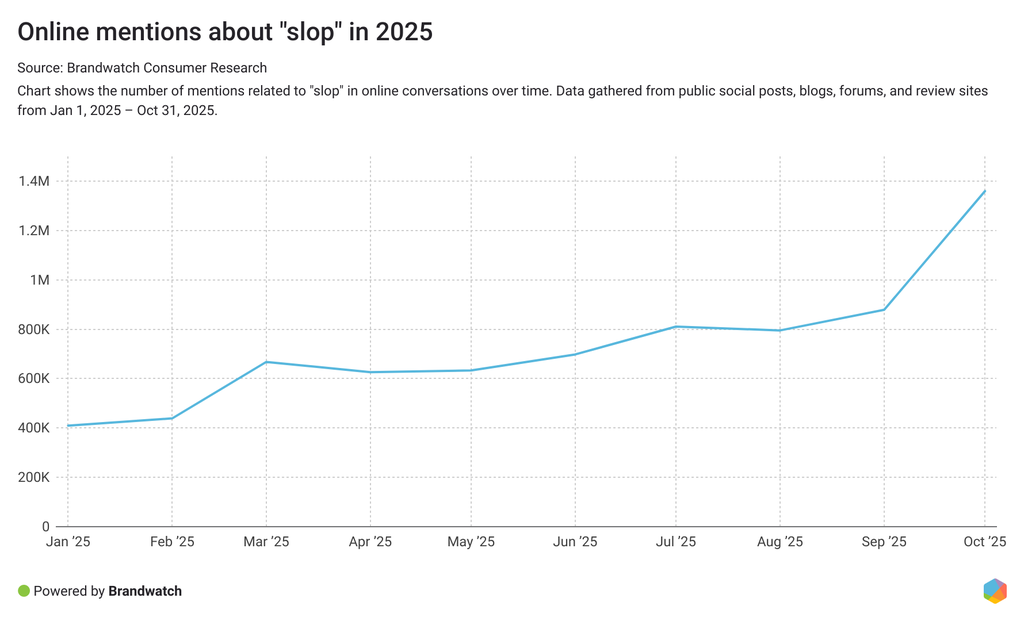
People are fed up with their feeds being littered with excessive ads and irrelevant posts that overshadow genuine, human-made content. And the mood is sour: 82% of sentiment-categorized “slop” mentions are negative.
"I think the biggest skill next year is going to be knowing how to sound human. Anyone can produce content now, but not everyone can make people actually care."
This frustration is pushing audiences towards branded content that feels intentional, original, and human. As Marc Meyer, Head of Social Media at Revvity, puts it: "The industry is in such a 'use AI’ mode for everything right now, especially when it comes to content creation. It's sanitizing content to the point that consumers can smell it and are wary of it."
Work that feels soulless is rejected, and the smartest brands are using generative AI to make better content – not just more of it. AI is becoming a creative amplifier, not a shortcut. And the brands that win will be the ones pairing human creativity and storytelling with AI’s speed.
Audiences continue to demand authenticity in the era of AI. But that doesn’t mean avoiding AI entirely. It means being conscious about your AI usage. High-quality prompts, human editing, and a strong brand personality are what stop brands from falling into the AI slop bucket.
2. Trendjacking is out. Genuine participation is in.
Blending in is becoming the biggest brand win.
When Tommy Hilfiger joined TikTok’s viral “airball” trend, it didn’t push a product or flood feeds with blatant advertising. The brand simply joined in, tapping into what was trending at the time. The result? Over 2 million likes and a comment section flooded with praise.
That’s the difference between trend participation and trend exploitation.
In 2026, audiences are rewarding brands that add to cultural moments – not those that try to hijack them. And marketers are noticing. Fifty percent say authentic, unpolished content will be a major trend in 2026. After all, the era of trendjacking is fading fast. Consumers know when brands are trying to force their way into cultural moments to sell a product.
Whether it’s a makeup brand getting slammed for hiring a controversial comedian or a restaurant chain scrapping a rebrand due to poor customer feedback, brands can’t force their way into relevance in 2026. Instead, the brands that lead with genuine participation are the ones that will reap the rewards.
“You either drive the culture car, because you're bringing new things to the discourse; you ride shotgun, because you have a point of view on the discourse; or you suck tailpipe, when your brand doesn't add a point of view outside of its products and value propositions.” – Marcus Collins, “Culture Is a Strategy” for Brandwatch Originals.
Today, marketing shouldn’t look like marketing. Marketers need to resist the urge to take over the conversation with tone-deaf content, because the brands earning attention are the ones adding value.
3. Trying is cool again (and brands can stop playing it safe)
Why big-hearted content and visible craft are winning in 2026.
After years of “effortless” aesthetics and minimalistic sameness, the tides are turning, and effort is making a comeback.
The pop-cultural sensation of K-Pop Demon Hunters is a great example. With no built-in fanbase, no major marketing push, and starring relatively unknown singers, it became Netflix’s most-watched animated film ever. Why? Because it tried – beautiful animation, emotional depth, and a fantastic soundtrack.
Some called it cringe – the kind of over-the-top emotion and spectacle that would've been mocked as "trying too hard" just a few years ago. But here's the thing: audiences didn't care. They loved it because it was unafraid to be earnest. In a world of AI slop and risk-averse sequels, that sincerity was exactly what people were starving for.
The internet has become so boring since everybody is trying to be like something else instead of themselves. I miss the cringe. I miss people who were genuinely nerdy, weird, or had niché content. Now everybody wants to be the "boss bitch". There's nothing organic about that
— Matt (@chelseavelvet) September 27, 2025
And this isn't just about one movie. Positive mentions about being cringe surged 25% in 2025. What once would've killed a brand's "cool factor" is now its greatest asset: genuine enthusiasm and visible effort. The new thing isn't looking effortless – it's caring loudly.
In branding terms, this means the “blanding” trend – where brands adopt similar minimalist aesthetics – is over. With feeds saturated by AI content and audiences more culturally literate than ever, performative polish gets called out instantly.
“People want brands and products that feel real and reward connection. 2026 will be about meaning, not just metrics."
Now, consumers want to see that you care – about your product, your community, and your impact. So, be earnest about what you do. In 2026, the brands that win are those that risk looking like they care.
4. Little treat culture is having a big impact
Small joys are having a huge marketing moment.
When UK-based supermarket Waitrose launched its Little Treats loyalty program in 2025, it wasn’t about discounts. It was about delight. While loyalty programs aren’t exactly new, positioning everyday rewards as unexpected moments of joy taps into a growing craving for "little treats.”
As the cost of living rises and everyday stresses climb, people are finding comfort in micro-indulgences. From a sugary snack to a nostalgic toy (we’re looking at you, Labubus), these low-stakes pleasures are helping people reclaim a sense of optimism.
And while the idea is small, its impact is big. Mentions of “little treat” have grown steadily throughout 2025, hitting over 40k mentions every month. Plus, 23% of marketers agree that marketing small, feel-good purchases will be a trend in 2026.
At the heart of it all? Optimism. People are actively looking for tiny ways they can make their days slightly better – and little treat culture is helping people with these small acts of self-care.
For marketers, the trend highlights a shift from selling products to selling positivity. Tapping into joy, nostalgia, and small wins are key. Make sure to market micro-indulgences that are genuine and keep customers’ joy at the heart of your campaigns.
5. Nostalgia marketing is here to stay
Nostalgia isn’t new (obviously). But it is powerful.
When a childhood recipe suddenly explodes with engagement on social, it’s not just about the dish itself; it’s about what it represents. That’s exactly what happened when @allrecipes posted their cheesy Party Puffs on Instagram. The comments weren’t just nostalgic – they were emotional, as followers resurfaced 50-year-old memories with pleasure.
While nostalgia in marketing isn’t new – we’ve covered its rise in past reports – it’s still having a huge impact. And in 2026, consumers are craving comfort on a massive scale. Online chatter about nostalgia grew by 18% in 2025, reaching over 43 million conversations. That’s a huge amount of people actively seeking comfort in the familiar.
how did i go from this to paying bills https://t.co/DFleHvFCFy
— rated ✧* (@imyrated) September 10, 2025
No matter your age, the topics are the same: comfort foods, retro games, vintage fashion, and childhood memories. All of this points to a continued collective longing for emotional connection.
IKEA proved this perfectly. The brand revived the decade-old Mannequin Challenge in 2025, but it wasn’t a throwback for the sake of it. Knowing that they were late to the party, the brand tapped into the collective nostalgia to show off their product offerings – and the combination worked.
Brands need to think carefully about which moments they tap into, and why. Effective nostalgia marketing in 2026 isn’t about adding a retro filter to a campaign – it’s about understanding the cultural touchpoints that genuinely spark emotion with your audience.
Whether it’s limited-edition throwback-themed products or collaborations with creators, brands aren’t just selling products anymore. They’re selling the warm, grounding feeling of coming home.
6. Employees are now brand architects, not just spokespeople
Employees are shaping brands from the inside out.
When Cisco began regularly posting real employees on Instagram, they probably didn’t expect to accumulate thousands of likes on their posts – or attract comments like “I would love to work @Cisco 😍.” But that’s exactly what happened.
This proves something bigger happening in 2026: employee content isn’t just boosting engagement; it’s shaping the brand itself.
Jason Brett, Founder and Creative Director at Curated by Dapper & Suave, predicts that "customers will want to know more about the person behind the brand and will want to connect with them more directly" in 2026. And he isn't alone. With consumers trusting employees more than the brands they work for and algorithms favoring person-first content, employee posts are often becoming the first impression that your customers will get about your brand.
Now, employee-generated content (EGC) has evolved into employee-powered branding. Employees are now becoming the architects of how a brand sounds, looks, behaves, and is discovered – long before a formal campaign launches.
The numbers back this up. According to LinkedIn, while only 3% of employees share content about their company, those shares drive a 30% increase in total engagement. Even more telling: content shared by employees generates 2x higher CTR than when the company shares the same content.
Why does this work? Because authenticity cuts through the noise. When employees share content – whether it's excitement about a product launch, their morning coffee routine, or thoughts on company values like sustainability – it feels real.
Our recent State of Social Report found that value alignment is a top factor influencing consumer trust, but trust isn't just built on big initiatives. It's built on consistent, human moments that let people see the real culture behind the logo.
@sistersandseekers we’re in our showgirl era #sistersandseekers #taylorswift #thefateofophelia #thelifeofashowgirl ♬ som original - user29364829411
As Meghan Meeker, Social Media Director at Brandwatch, puts it: “Running a social media team in this day and age without having an employee advocacy program in place is like exploring the wilderness without a map.”
And the smartest brands aren't just encouraging employee content as a side strategy – they're building their entire brand presence around it. They're looking for more than external ambassadors; they're empowering the authentic voices they already employ, from entry-level to C-suite.
Remember that employees are no longer just behind your brand. They are your brand.
7. Strategic rule-breaking is your superpower
When playing it safe stops working, the rule-breakers start winning.
When a Ryanair customer posts a complaint about their seat selection, the social media team doesn't apologize. They double down.
no, welcome to Ryanair https://t.co/sH70TjOyIQ
— Ryanair (@Ryanair) October 14, 2025
Being irreverent is part of their strategy. Ritz is bending the rules, too: its recent Super Bowl commercial openly declared that “Ritz is so good, it’s annoying.”
Different brands, same pattern. In 2026, some of the strongest performers are the ones willing to ignore the playbook their competitors follow – leaning into irreverence, self-awareness, and chaos instead of polish.
Strategic rule-breaking is fast becoming a go-to for brands that want to stand out. Social feeds once flooded with corporate brand voices are now alive with chaotic, human-first personalities.
"I expect a rise in defiant, we-do-it-our-way branding: 'Don't like us? Don't buy it.’ There is a hungry audience ready for nonapologetic, stick-it-to-them brands."
Even small brands are catching on. Take independent UK-based cafe Hopper Coffee, for example. By leaning into humor and staff-led honesty – sometimes even at the expense of upper management – the brand has built a loyal local following.
The rise of employee-generated content (EGC) is only fueling this fire. With social media creators now the face of brands, humor, honesty, and personality are creating connections in ways that traditional marketing can’t.
In 2026, brands need to learn which rules are worth breaking. Polished content isn’t winning anymore – people want brands where you can feel the humans behind them. So, give your social teams the creative freedom to sound human, not corporate.
"Breaking brand rules for cultural relevance might work – if it’s authentic. If it’s just about trying to grab attention, it’ll fall flat. In a time when people feel uneasy or unhappy, surprises, perks, and things designed to uplift go far."
8. Digital fatigue is driving brands to meet consumers offline
Why real-world experiences matter more in the age of digital fatigue.
Peloton didn’t just post about the NYC Marathon in 2025 – they showed up. Instead of pushing out another piece of basic social content, they built a cheering booth to bring their community together in person.
It's a small moment, but it captures a larger shift that keeps accelerating in 2026: brands are realizing that community isn’t something you broadcast – it's something you facilitate.
And it doesn't stop there. Curated, phone-free gatherings like the Offline Club, Othership, and Sofar Sounds are thriving as people seek genuine connection over screen time – all in response to rising digital fatigue and growing tiredness with synthetic brand interactions.
We saw the start of this last year, with a rise in in-person events built for their interactive, shareworthy appeal. But in 2026 the motivation is deepening, with real-world experiences creating stronger emotional memories – and therefore stronger brand associations.
"Consumers are craving different types of engagement based on the need for human trust in an AI-driven world. We're seeing a retreat to trusted micro-communities (like Discord servers, subreddits, intimate comment sections) and a hunger for real-world experiences. It's about moving beyond superficial interactions towards genuine human connection."
The data backs this up: 57% of event organizers reported increased in-person attendance in 2025, and 75% of attendees say immersive experiences help them disconnect and engage more meaningfully with others.
With trust continuing to drive purchasing decisions – and with that trust being increasingly built offline – brands need to rethink what it means to “show up.”
In 2026, the winning brands won’t just publish content. They’ll show up in person. They’ll create spaces for people to connect: sponsoring meetups, hosting conversations, facilitating community – and do it without overselling.
In short, don’t just create content. Create connections.
9. Trend analysis has gone mainstream
Everyone's a trend analyst now – and they’re watching how you play the game.
When musician Sophia James posted seven videos as "a little science experiment" to test which got the most algorithmic reach, she accidentally revealed something bigger: consumers have become obsessed with understanding how platforms work.
Sophia’s inadvertent "Group 7" phenomenon wasn't just a viral moment. Millions began to analyze why they landed in Group 7, comparing notes on TikTok's distribution patterns, and reverse-engineering the algorithm together in real time.
@sophiajamesmusic Group 7 who are you
♬ So Unfair - Sophia James
This is the new normal in 2026. People aren’t just reacting to content; they’re interpreting the machinery behind their feeds. They know when an ad is engineered for engagement, when a TikTok is scripted for virality, or when a brand is trying hard to rank on purpose. And increasingly, they’re calling it out.
The numbers back this up. Conversations about social listening and social insights grew 29% in 2025, with a 106% increase in new authors joining the chatter. Discussions about algorithms and marketing tactics climbed 54% as well, with 80% more first-time contributors. This isn’t insider chatter anymore. It’s mainstream.
Consumer technical literacy is rising too – 64% now use generative AI tools. They understand how feeds and algorithms are shaped, and how brands shape what they see. But more importantly, they’re paying attention to whether brands are listening in return.
Algorithmic literacy is now a two-way street. Marketers and consumers speak the same language – which means social listening has to move beyond brand mentions to the meta-conversation about marketing itself.
In 2026, brands need to understand not just what people say, but what they notice. Consumers know you’re listening – and they’re judging you on how you act on it.
10. AI is reshaping how people find brands
It's time to shake up your discovery tactics.
When a user asks a large language model (LLM) where to buy the best running shoes, Nike doesn’t appear because it ranked highest in search results. It appears because the LLM decided it’s the answer. In 2026, visibility is less about ranking and more about being selected. Brands aren’t competing for position – they’re competing to be the model's choice.
New popular AI browsers like Arc, Perplexity’s Comet, and Dia are changing the way people search. Instead of scrolling through search results, users are receiving pre-filtered answers directly. 67% of marketers agree that consumer search behavior is shifting toward AI and social discovery and, with half of consumers using AI-powered search today, it appears we're seeing the biggest change to how online visibility works since the introduction of search engines. Which means that brands need to reconsider the control they have over how they're found online.
This shift also means traditional SEO is no longer enough. Ranking on Google doesn’t guarantee you’ll appear in an AI Overview or Copilot response. Now? The challenge is generative engine optimization. Brands need to be understandable and trustworthy to the models that are serving their audience.
"Focusing on user intent, combining AEO with personalization, and optimizing content for featured snippets, voice-based searches, and AI-generated overviews will be key to driving visibility, authority, and long-term growth."
In 2026, visibility is about being selected, not surfaced. Brands should focus on GEO by strengthening the signals AI uses to verify information: structured data that marks up specifics like price and ingredients, product feeds with real-time availability and pricing, comprehensive FAQ pages, and transparent content ownership with clear authorship and sources. These elements now matter just as much as keywords.
Don’t skimp on social either. Reddit and LinkedIn are among the top five most-cited domains by LLMs, so having a presence there is key. And remember, AI also reads images, captions, and transcripts – so be consistent across all touchpoints. If a model can’t understand you, consumers won’t find you.
11. Gen Alpha: The next big audience is growing up
The oldest Gen Alphas turn 16 in 2026 – do you have a plan for marketing to them yet?
Gen Alpha isn’t a distant demographic anymore. The oldest members just turned 15 – old enough for social media accounts, old enough to shape trends, and old enough to make independent consumption choices. While younger Gen Alphas are still parent-dependent, this generation is no longer on the horizon – they've arrived as active participants in online culture.
And their impact is undeniable: the generation now holds $100 billion in spending power, with the oldest members increasingly controlling how that money gets spent.
Fourteen-year-old gymnast and influencer Amyah Bennett’s 4 million YouTube subscribers prove Gen Alpha doesn’t just consume content – they create it and decide what’s worth paying attention to. Her success comes from speaking their language: relatability, authenticity, and unfiltered personality. She isn’t just a creator; she’s a signal of what the next era of influence looks like.
This generation is coming of age in a fundamentally different digital landscape than any before them. They'll be the ones to grow up treating AI as a creative collaborator, not a novelty. They don't distinguish between “online” and “real life” – it's all just life. And they expect to participate in brand worlds (think Minecraft and Roblox), not just consume them.
The brands that will resonate with Gen Alpha aren't the ones applying traditional marketing playbooks – they're the ones building interactive experiences, speaking through creators they actually trust, and showing up where Gen Alpha already is. 2026 is the year to start paying attention, because the oldest Gen Alphas are already drawing the blueprint for the entire generation behind them.
Methodology
A mix of qualitative and quantitative research was used to bring this report to life. We surveyed over 1,000 marketers about the social landscape in 2026 and combined this with data from Brandwatch Consumer Research, where we examined trends in online conversations between January 1, 2025 and October 31, 2025. References to “the previous period” mean the 10 months prior to this timeframe.
Throughout the process, we worked closely with internal experts who analyze social data and trends every day, helping us validate and strengthen our findings.
You can jump to the top of the report here.
Published on November 25th, 2025