The social landscape has shifted dramatically. Again.
TikTok Shop is outpacing Amazon. AI influencers are driving real purchases. User behavior has shifted within Meta’s ecosystem. And the platforms breaking user records aren’t the ones you'd expect.
Behind these shifts is a growing trust gap: consumers are rewarding brands that deliver transparency and authenticity while punishing those that don’t.
Our 2026 State of Social report draws from a mix of Brandwatch data and third-party research to uncover the seismic changes shaping where 4+ trillion hours of human attention will go this year and highlights the smart plays that separate winning marketers from the rest.
Want to see how we got here? Click here to view our methodology.
Otherwise, let’s dive in.
What's included:
- The current state of social media: Trust is breaking down
- Turning transparency gaps into honesty wins
- Turning bad experiences into brand loyalty
- Turning digital overload into mindful engagement
- Turning ad fatigue into value-first connections
- Turning superficial influence into authentic impact
- Turning AI anxiety into a human-first approach
- How brands should execute on social media in 2026
- Methodology

The current state of social media: Trust is breaking down
The numbers don't lie. This report reveals that brands initiate less than 1% of brand-related conversations online. The real opportunity lies in the other 99% – the conversations happening without you.
That’s your wake-up call – because those conversations increasingly point to a widening trust gap between marketers and consumers.
Trust isn't just nice-to-have anymore – it's the competitive advantage that separates thriving brands from struggling ones. While consumers punish brands that breach trust, they're also rewarding those that get it right by amplifying their positive experiences.
Let's break down where trust is eroding and how smart brands are turning these friction points into competitive advantages.
💡 Turning transparency gaps into honesty wins
The problem: Hidden fees and deceptive pricing practices are eroding consumer trust, leaving brands struggling to rebuild credibility.
At its core, the trust challenge comes down to unmet expectations – whether that's surprise charges or products that don't deliver on their promises.
Hidden fees are fueling frustration across industries. From concert tickets to grocery sales, conversations about extra charges are rising fast. Mentions of hidden fees and extra charges grew 40% in 2025, with 30% more new voices joining the conversation.
Consumers expect to pay the advertised price, not face surprise charges later.
But pricing deception is only one way expectations are shattered. Product disappointment is sparking an even louder backlash. Mentions of deinfluencing are up 79% in 2025 as frustrated customers took an active role in discouraging others from buying products that don't meet expectations. This growing trend is fueling more conversation around buyer’s remorse online.
Influential consumers are posting triggering, attention-grabbing headlines like “Exposing a VIRAL product!” to call out bad purchases, as one skincare influencer did in a recent viral Instagram post. These posts are driving high engagement as people search for honest, trustworthy alternatives.
The underlying issue is clear: when marketing promises don't match reality, trust breaks down fast.
The opportunity: Being transparent with your business practices will turn customers into advocates.
This breakdown creates a huge opening for brands willing to embrace radical honesty. Those that share personal stories, show behind-the-scenes moments, and admit mistakes can build deeper relationships with consumers and benefit from peer-to-peer recommendations.
The brands succeeding here know that transparency isn't just about avoiding negative feedback – it's about earning authentic advocacy. When customers trust that you're being honest about your products, pricing, and processes, they’re far more willing to recommend you to others.
Marketers that prioritize transparent pricing and focus on long-term trust over short-term revenue will build a much more loyal customer base. That means clear communication about costs upfront, marketing that sets realistic expectations, and the willingness to admit when things go wrong.
The key is leaning into the culture of sharing that deinfluencing has accelerated. Be proactive about showing the real story behind your products. Share the development process, acknowledge limitations, and be upfront about pricing structures.
After all, in a world where consumers actively warn each other about bad experiences, your best defense is ensuring there's nothing to warn about – and your best offense is giving customers genuine reasons to recommend you.
💡 Turning bad experiences into brand loyalty
The problem: Bad shopping experiences and poor customer service are turning customers away.
Customer service is often the make-or-break factor for brand loyalty. And online, it tends to attract more negativity than any other area of business.
Unreliability is a major sticking point for customers, and they’re venting about their experiences on social media. From delayed deliveries to inadequate customer support, online mentions of brands failing to deliver continue to rise.
Calls to boycott surged 95% in the first half of 2025, including those stemming from bad shopping experiences, with mentions of "do not buy" climbing to 836,000 posts from January 1 to June 30, 2025. Customers are increasingly taking their frustrations to social platforms, advising others against shopping with specific brands and platforms that get it wrong – leading to reputational damage that goes well beyond the initial complaint.
Unclear return and refund policies are adding fuel to the fire, too. Some say they’ve waited weeks – or even months – to get their money back.
We looked at customer service conversations across eight industries to uncover what brands can learn from real consumer interactions.
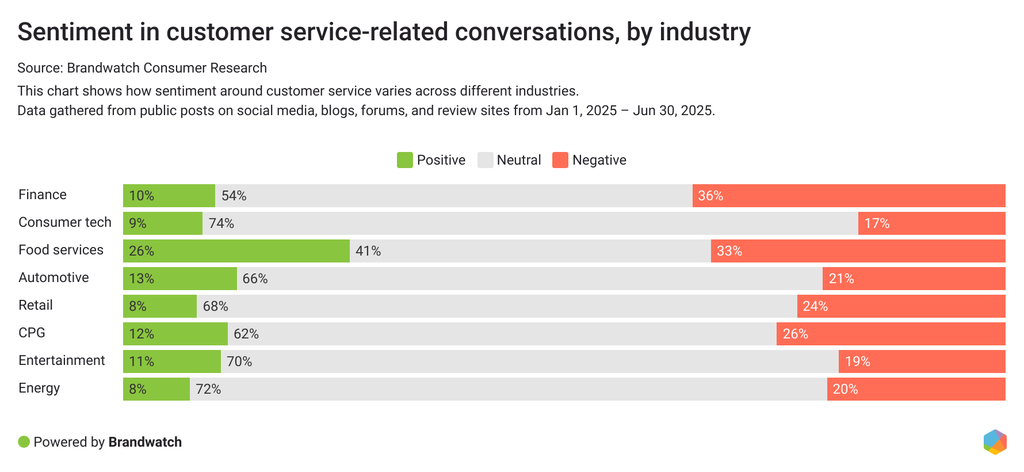
In finance, 36% of mentions about customer service are negative – the highest across industries, largely driven by refund and payment issues. When you add unresponsive support channels and chatbots that can’t resolve complex problems, customers feel ignored and grow suspicious of platforms handling their money.
But conversations about food services show a different picture: 46% of mentions are positive (the highest across industries), but 33% are negative, showing how service quality in dining can make or break these experiences.
The opportunity: Brands that prioritize making the customer feel valued are shining.
As frustrations grow, brands that get it right shine even brighter through the noise. We tracked over 348k online mentions relating to helpful customer service. These positive moments create a lasting impression, influencing purchasing decisions and strengthening brand reputations.
One thing’s clear: going the extra mile pays off in customer loyalty.
What's particularly encouraging is that even technology-driven solutions can deliver these positive experiences when implemented thoughtfully. Chatbot mentions are rising – up 14% across industries – and sentiment is shifting too: positive mentions jumped 63% while negative ones dipped 3%. Customers are starting to see real value in chatbot support.
Whether it's human or AI-powered support, customers want the same fundamentals: being listened to, receiving quick support, and trusting the brand to do right by them.
People rave about brands that treat them with care, make them feel valued, and keep things stress-free. In fact, a 74% surge in mentions of “stress-free” in customer service conversations shows how critical smooth service has become.
💡 Turning digital overload into mindful engagement
The problem: Constant connectivity and overwhelming digital experiences are leaving customers feeling burnt out and seeking alternatives.
Consumers are actively seeking healthier digital experiences as the pressure of being constantly connected takes its toll.
Conversations about social media platforms being “fun” have been on a steady decline since 2023 and dropped further in 2024 – where they’ve since held steady at noticeable lows. Mentions of anxiety in social media and mental health conversations are up 25% as people are becoming increasingly aware of how constant connectivity affects their wellbeing.
social media is so toxic rn!! My anxiety is spiking! I can’t do this
— the$LAYER. 💸 (@skyeNicoleee_) May 14, 2025
This is driving a growing movement: the digital detox. With endless apps and social platforms to choose from, it’s no wonder that mentions of digital detoxing are gaining momentum – up 10% in the first half of 2025, with 32.3k new voices joining the conversation.
Took a massive digital detox this week and was the best thing I have done mentally
— TW - The Wealthy Trader (@RealJGBanks) February 1, 2025
Money will always be there
Goals will always be there
Your life will always be there
But if you’re burnt out and not there mentally nothing will move forward
Take that break to get ahead
For many, a digital detox isn’t just about unplugging; it's about building deeper connections, reducing stress, and improving wellbeing. People are sharing the clarity and calmness that comes from unplugging, revealing a growing desire for balance.
The opportunity: Brands that meet customers where they are have a powerful chance to connect authentically.
Forward-thinking brands aren't fighting this trend – they're embracing it. There's a massive opportunity to connect authentically by supporting consumers' wellbeing rather than competing for their already-stretched attention.
Recognizing this shift, smart brands create minimalist phones, host phone-free events, offer digital detox retreats, and encourage screen-free socializing – actively helping their customers unplug. They understand that supporting digital wellness isn't anti-engagement; it's about earning permission for meaningful interactions.
The rise of the digital detox presents a powerful opportunity to connect authentically with customers. Respecting consumers’ choices, prioritizing their wellbeing, and creating experiences that feel supportive rather than overwhelming helps build deeper trust.
Design campaigns that acknowledge screen fatigue. Create genuine opportunities for customers to step back from digital noise. Show that you value their mental health and digital boundaries over constant engagement metrics.
This approach builds something more valuable than always-on attention: it builds permission-based relationships where customers choose to engage because they trust you understand their needs, not just your own business objectives.
💡 Turning ad fatigue into value-first connections
The problem: As ads continue to dominate online feeds, consumers are becoming more frustrated with clickbait and intrusive ads.
More than half (54%) of ad-related online conversations show anger. People are venting their frustrations over clickbait, ad overloads, and even paid subscriptions that still serve ads.
Clickbait was once a go-to tactic for grabbing attention. And we get it: when you are fighting for eyeballs in crowded social media feeds, those “You won’t believe what happened next” headlines can feel like your best shot at getting people to click. But today, consumers are demanding more, and while clickbait headlines may drive plenty of traffic in the short term, they’ll erode consumers’ long-term trust.
Conversations about clickbait have surged over the last three years, and in 2025, nearly 90% of mentions were negative.
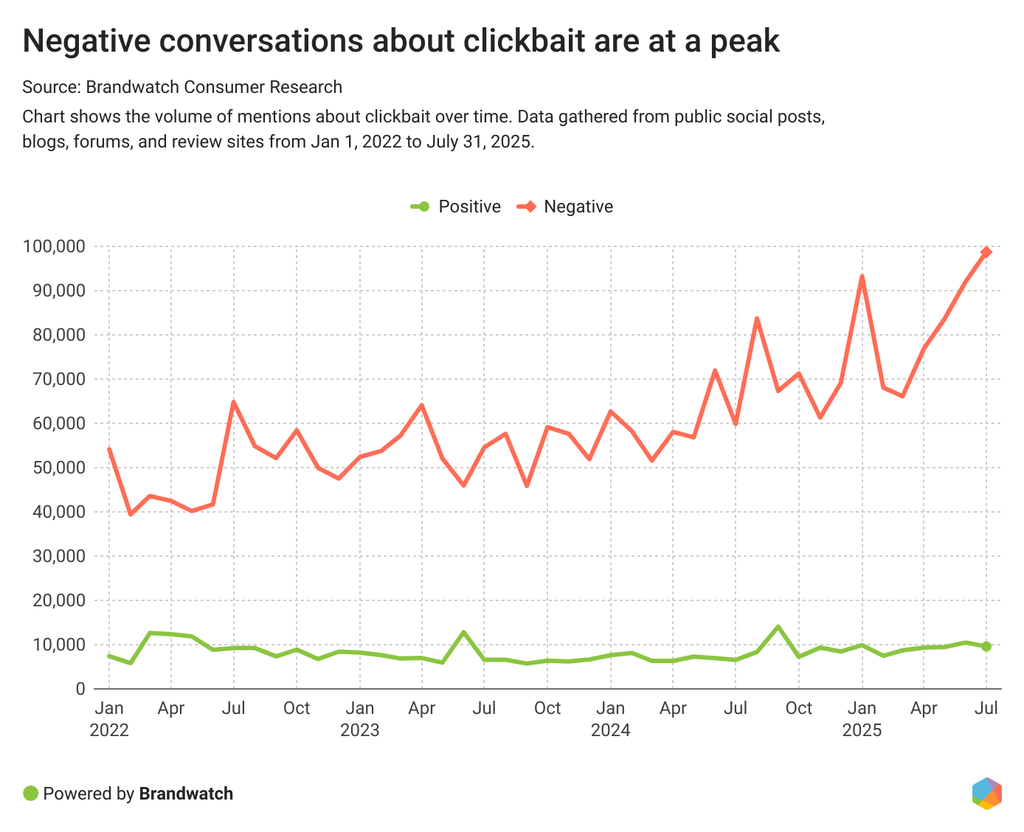
When people click expecting to see value but are left feeling disappointed or manipulated instead, this experience sticks with them. Poor consumer experiences cost brands more than just a website bounce – they can damage brand credibility and future engagement.
The rise of ad blockers is showing a clear consumer priority: control over their digital experience.
With social media users getting increasingly frustrated with the barrage of unskippable and intrusive ads, many are seeking smoother, less disruptive online experiences. Some are even switching browsers or apps to achieve this.
The opportunity: Marketers that create ads that give viewers more control over their experience are set to succeed.
Ads aren’t doomed, but they do need to evolve, and consumers are calling for creative, relevant campaigns that add value rather than interrupt their experience.
At the heart of this conversation is a clear theme: people are craving real value. Brands that practice authenticity, are transparent with their business practices, and deliver genuine value to customers are set to thrive. As Klarna’s CMO David Sandstrom put it while appearing in our Brandwatch Originals series: “The modern consumer can see through when we try to be something we’re not. Staying true to ourselves is almost more important than staying true to the consumer.”
In a crowded social media feed, credibility is what makes ad content resonate. The more targeted your campaigns are, the more likely your brand is to see positive responses.
One time I offered to install adblock for my mom and she was like "No that's okay, sometimes I get ads for things I want"
— @ratlimit (@ratlimit) April 4, 2025
The conversation around ad blockers reveals a paradox: consumers want control over their viewing experiences while also discovering products and services that provide genuine value. Brands and platforms that respect this balance and work towards highly targeted, personalized, and transparent ads are best positioned to succeed.
In a landscape where consumers are skeptical of promotional content, this authentic approach will be essential for success.
Just as consumers are rejecting manipulative advertising, they're also pushing back against inauthentic influence. The same principles that make advertising work – transparency, genuine value, honest disclosure – are dominating the influencer marketing conversation online.
💡 Turning superficial influence into authentic impact
The problem: Superficial, inauthentic influencer content is turning off consumers and eroding brand credibility.
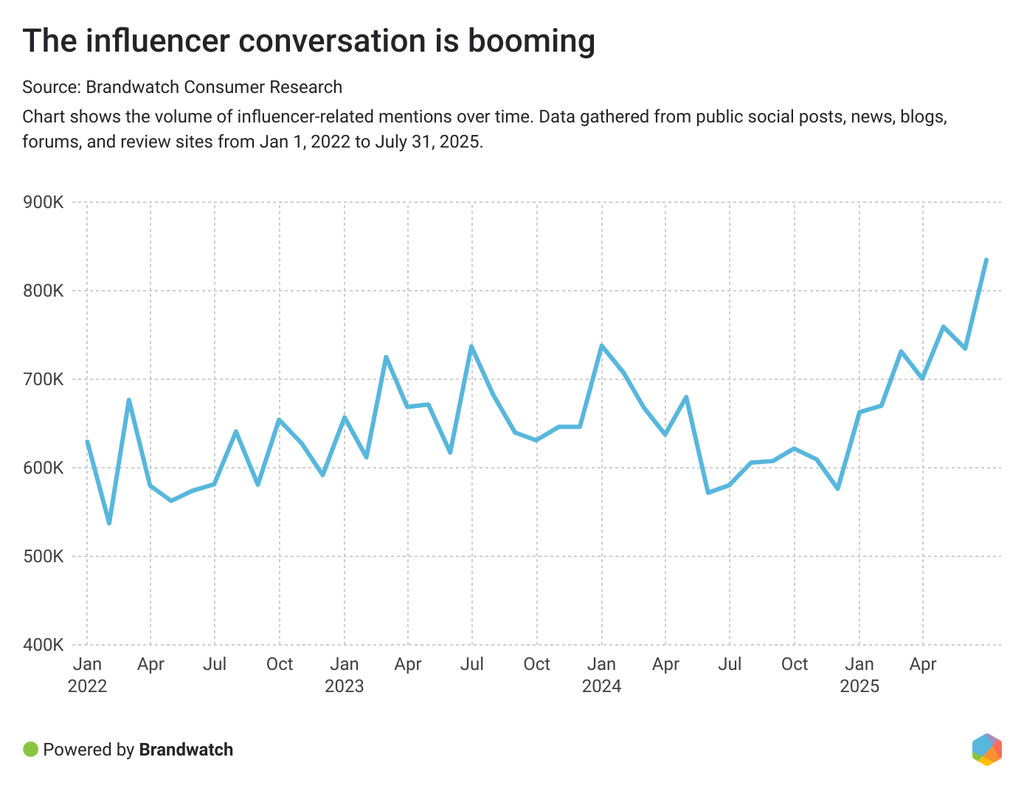
While influencer conversations surged 20% in early 2025, people are starting to push back against overly polished, sponsor-heavy content and gravitating toward more relatable, authentic voices online.
It's projected that social media creators will overtake traditional media in ad revenue in 2025, and a recent study found that 74% of consumers purchase products based on influencer recommendations.
But when the pressure for authenticity collides with the pressure to maintain strong engagement, ethical dilemmas arise. While influencers try to keep engagement high, some cross the line by promoting unrealistic or extreme lifestyles and making unsubstantiated claims – and fans are growing frustrated with those who go too far.
And this tension between influence and authenticity doesn’t just shape how people feel about individual creators – it also plays out differently across industries.
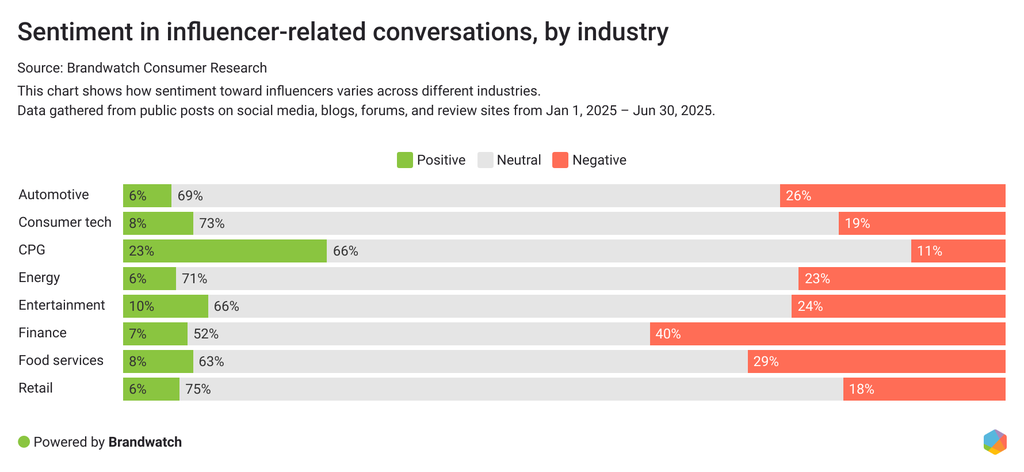
Finance-related influencer discussions carry the most negativity, accounting for 40% of the conversation. Many express concerns about the impact of influencers on their financial decisions, particularly when it comes to purchases or investments.
The consensus is that finance influencers often promote products without genuine endorsement, and some followers have reported financial losses due to scams and misleading promotions associated with influencers.
This skepticism extends beyond finance. Consumers are craving authenticity and trustworthy guidance but struggle to find influencers who prioritize transparency and accountability over shock value and virality.
The opportunity: Brands that work alongside authentic influencers can benefit from positive customer interactions and perceptions.
Those not prioritizing authentic influencer marketing risk being overlooked. The numbers confirm what many suspected: consumers are gravitating toward more relatable voices online, driving measurable growth for smaller influencers whose niche yet highly engaged communities deliver what brands have been chasing – authentic connections, stronger trust, and higher conversion rates.
In 2025, mentions of authenticity in influencer conversations grew 66%. People respond most positively to personal storytelling – think life journeys, transformations, challenges, and milestones. Giveaways, collaborations, and behind-the-scenes content also help build strong communities.
beauty and skincare influencer jaemin finally got his first skincare brand deal as he should 😭 pic.twitter.com/TvM95TKaDR
— ♡ (@woalsdoll) June 23, 2025
In contrast to finance, consumer packaged goods (CPG) influencer conversations are largely optimistic, with 24% of mentions classified as positive. Micro-influencers are gaining traction as effective marketing partners in this space, with brands shifting away from celebrity endorsements toward creators who feel more relatable.
The funny thing in all this is that as a brand, if you truly want results & actual sales conversion, hire micro-influencers.
— Sir David Onyemaizu🦍 (@SirDavidBent) January 25, 2025
They are closer to your target audience.👍
The contrast across sectors highlights that while trust and authenticity matter everywhere, the bar for credibility varies significantly by industry. Finance requires the highest standards – extensive disclosure, proven expertise, and clear regulatory compliance – because the stakes of bad advice are so high. CPG can succeed with more relatable, lifestyle-focused content because the risk of trying a recommended product is usually relatively low.
When it comes to influencer content, people want creators to prioritize transparency and accountability over shock value and virality. Proper disclosure isn't just legally required by the FTC – it's what audiences actually prefer. Clearly disclosed sponsored posts, using tags like #ad or #spon, generate far more positive reactions, especially when they offer genuine value.
Beyond compliance, authentic partnerships are the real competitive advantage. Those that prioritize transparency and genuine creator relationships do more than just meet regulatory requirements; they tap into shared interests and create communities that bring people together.
💡 Turning AI anxiety into a human-first approach
The problem: AI adoption is creating consumer anxiety about privacy, job displacement, and the loss of human connection.
AI will continue to penetrate all industries in 2026, transforming both customer expectations and the way businesses operate. But with widespread adoption comes intense scrutiny of performance and impact – and the conversation is happening on social.
Across industries, the sharpest growth comes from automotive (up 102.5%) and energy (up 98%).
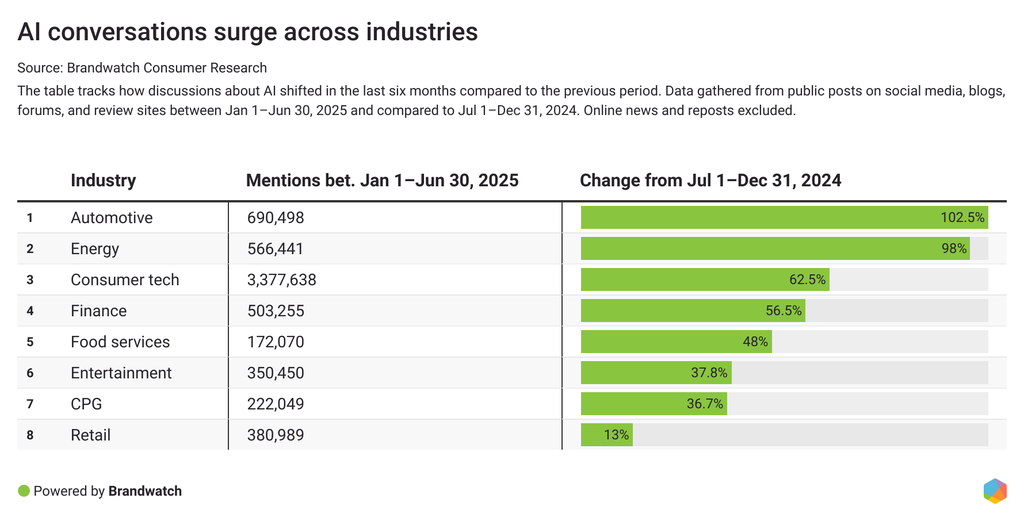
Yet, sentiment is pulling in both directions, revealing the high stakes that brands face with AI implementation.
The energy sector stands out with some of the strongest positive and negative conversations.
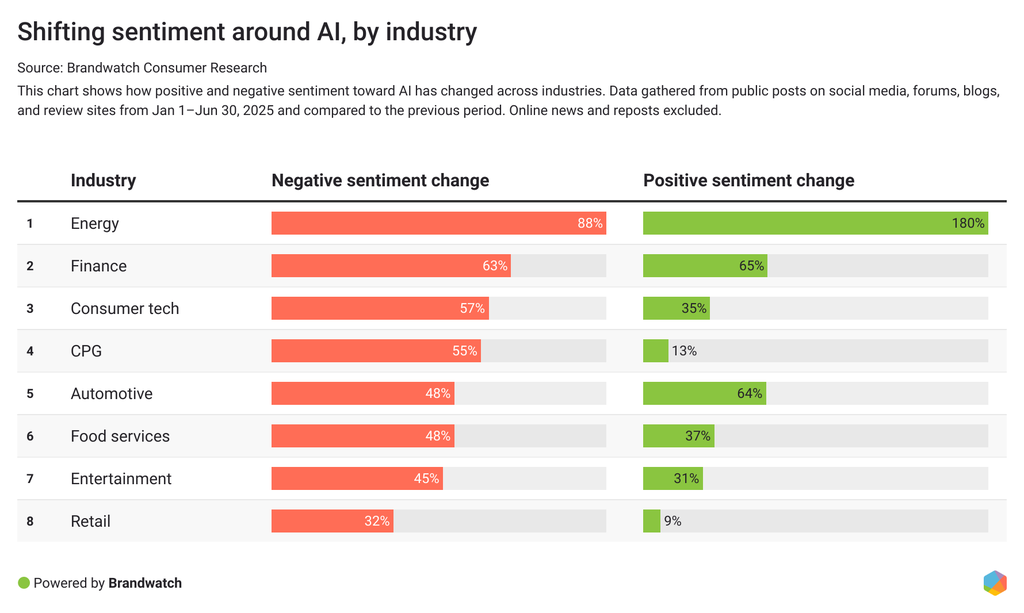
Environmental concerns are a major theme. Many link AI’s heavy energy use to the climate crisis, with over 30k mentions of AI-related energy and climate issues – a 32% increase from the previous six months. People are concerned about how artificial intelligence might impact the environment, and they aren’t afraid to talk about this online.
Been trying to tell my family that generative AI is morally/ethically bad and has a huge carbon footprint and is using up SO MUCH water and is generally bad for the environment, but whenever I say it everyone looks at me like I told them I want to kill puppies or something.
— Rhiana 🏴 (@rhianamlewis) May 4, 2025
The automotive industry is also embracing AI in its race for efficiency, promising to make customers' lives easier. But the reception is mixed. While innovation is generally welcomed, frustrations emerge when AI systems miss the mark – like rental car AI inspections that falsely flag damage and generate unfair charges, or customer service bots that fail to resolve real issues.
Consumers want AI that solves real problems without compromising their trust, experience, or values – and brands that ignore these concerns are at risk of backlash online.
The opportunity: Brands that position AI with empowerment and transparency will reap rewards from customers.
We also see optimism about AI's potential. Autonomous vehicles and smarter safety features are receiving significant online praise, showing that when AI delivers genuine value, public sentiment follows.
On the positive side, many view AI as a tool to make energy smarter. From helping renewables like solar and wind run more reliably to cutting waste, lowering costs, and making systems more resilient, artificial intelligence is welcomed – when implemented thoughtfully.
This mixed reception reflects a clear consumer expectation that AI is no longer a niche tool, but instead customers now see it as the norm. But consumers are making one thing clear: AI should enhance the human spark, not replace it.
The brands that succeed will position AI as an empowering, transparent, and adaptable support system that enhances, rather than replaces, the human touch. They’ll balance innovation with responsibility, ensuring their AI solutions truly enhance rather than complicate the customer experience.

When brands master honest business practices, excellent service, mindful engagement, authentic advertising, genuine influencer partnerships, and human-centered AI, they create something powerful: a foundation of trust that turns customers into advocates. But how do you actually implement these principles across your social strategy?
Let’s take a look.
How brands should execute on social media in 2026
In 2026, consumers aren't just active on social media platforms – they're shaping the conversation itself. On X, we found that brands initiate less than 1% of brand-related conversations online (a trend consistent with previous years). The real opportunity lies in how well your brand listens and responds to the other 99%.
Most brand-related conversations happen without a brand in the room. They’re the critical moments when consumers discuss your industry, competitors, or customer experience – and they represent the biggest opportunity to shape perceptions.
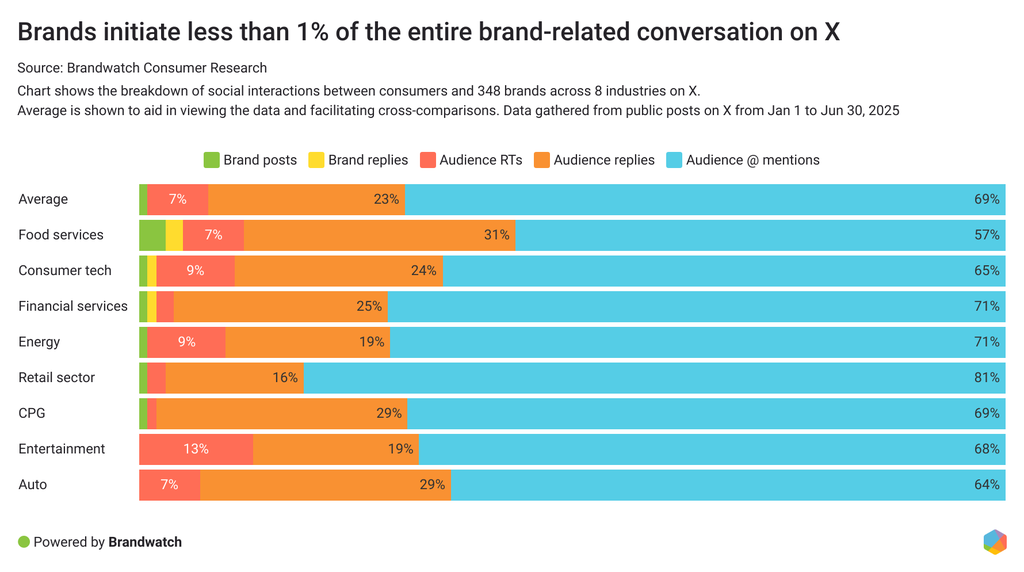
Since consumers control the conversation, earning their attention demands platform-specific expertise – so understanding the best tactics for each platform you use is vital.
Let’s break down what audiences expect across some major social platforms, the types of content that resonate, and the nuances that shape behavior on social in 2026.
Platform rules of engagement
Every social media platform has its own rules of engagement, and in 2026 brands can’t rely on a one-size-fits-all approach. Additionally, what customers actually want may differ from what you expect, so approach each platform with an open mind.
Here's what's working across some of the major social media platforms:
TikTok
- What consumers expect: Authenticity and community are key. Brands should join trending conversations, not dominate them.
- Generational nuances: Gen Z is leading, setting the tone for what’s viral.
- Industry standouts: Entertainment, cosmetics, and lifestyle.
- Content types driving engagement: Trend-based videos, influencer collaborations, brand behind-the-scenes content. Whatever you do – keep it consistent.
A TikTok success story
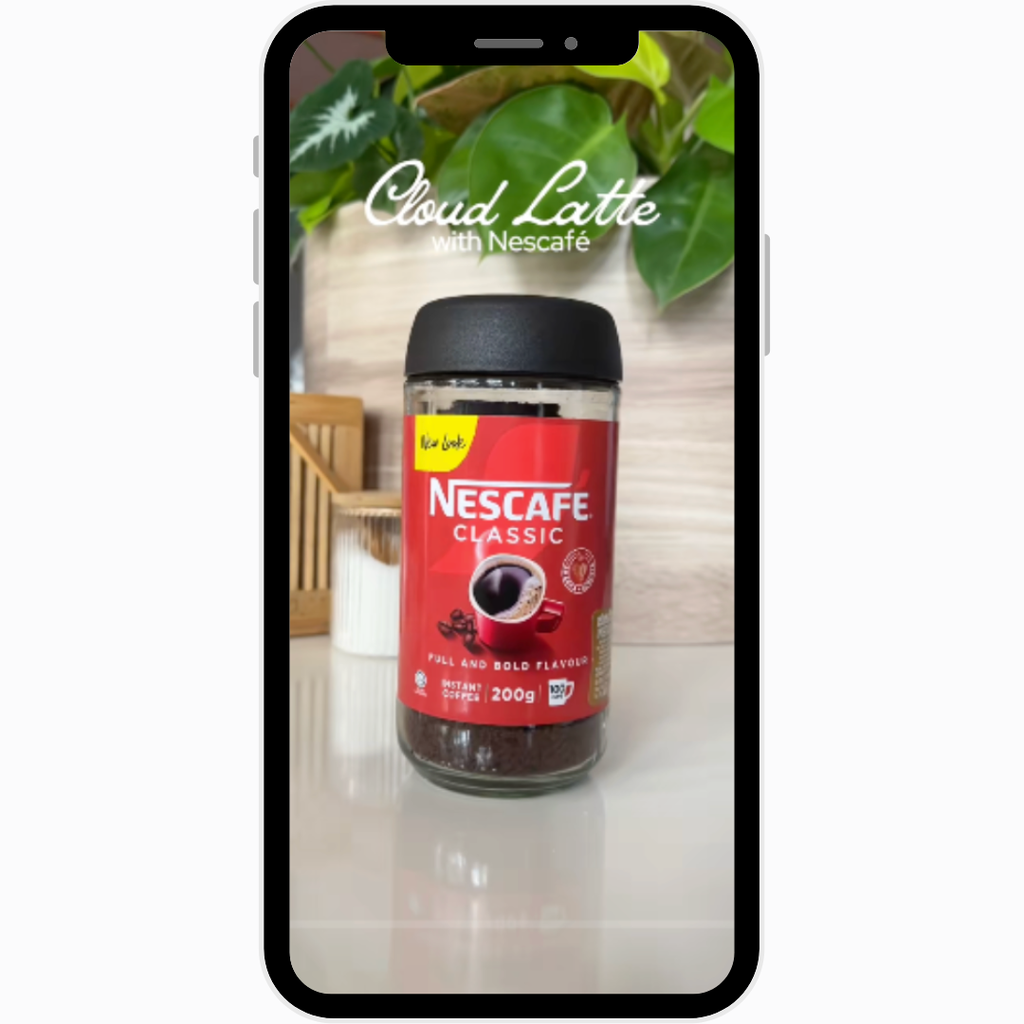
Nescafe’s latest coffee campaign received 3.4m total video views. Aiming to target younger audiences, the brand combined education with tasty treats to entice viewers with fun recipes.
- What consumers expect: Visual storytelling, polished (but not too polished) content, and a space to connect with an active community.
- Generational nuances: Gen Z and younger millennials lead the way.
- Industry standouts: Retail, e-commerce, CPG, and fashion.
- Content types driving engagement: Short-form video on Reels, ephemeral Stories, user-generated content (UGC), and curated visuals.
An Instagram success story
Trader Joe’s is combining visual storytelling with curated visuals to drive engagement on Instagram. With 3 million followers and an active comment section, the brand is proving how community-focused, appealing content can thrive.
- What consumers expect: Professionalism, thought leadership, and insightful content pay off on LinkedIn. Educational or industry-focused content resonates most.
- Generational nuances: Millennials and Gen X dominate.
- Industry standouts: Finance, tech, B2B, and professional services.
- Content types driving engagement: Articles, LinkedIn Live sessions, webinars, case studies, and employer-generated content thrive.
A LinkedIn success story
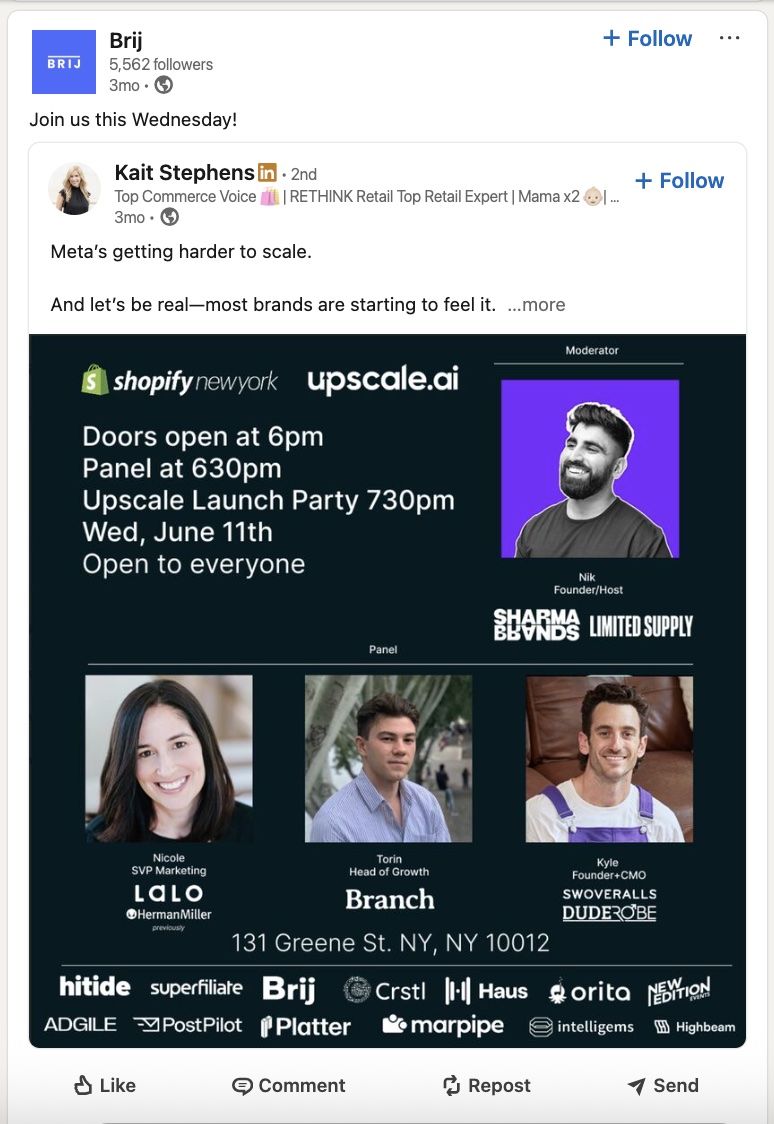
SaaS company Brij is bolstering its approachability on LinkedIn through its CEO’s thought leadership. By sharing their CEO’s, and other employees’, posts on everything from industry news to hiring tips, the relatively new brand now boasts over 5k followers.
- What consumers expect: Genuine, person-to-person interactions. Brands need to participate in existing communities without overt promotion.
- Generational nuances: All generations are present. Older generations tend to engage less – but they’re still active.
- Industry standouts: Apparel, beauty, gaming, electronics.
- Content types driving engagement: In-depth text posts, infographics, and AMAs (Ask Me Anything sessions).
A Reddit success story
Running software app Runna’s online Reddit community is thriving. The brand has 44k members, and employees at Runna actively share new updates, which are appreciated by the community.
Your social expectation matrix
Social expectations can be a bit overwhelming, so we’ve distilled them into an easy-to-understand matrix below. This matrix will help you fine-tune your social media goals and keep in mind what consumers expect from different platforms.
Print this out and stick it in your office – old school, but effective – for an easy reminder of the tone you should be setting on your brand's social channels.
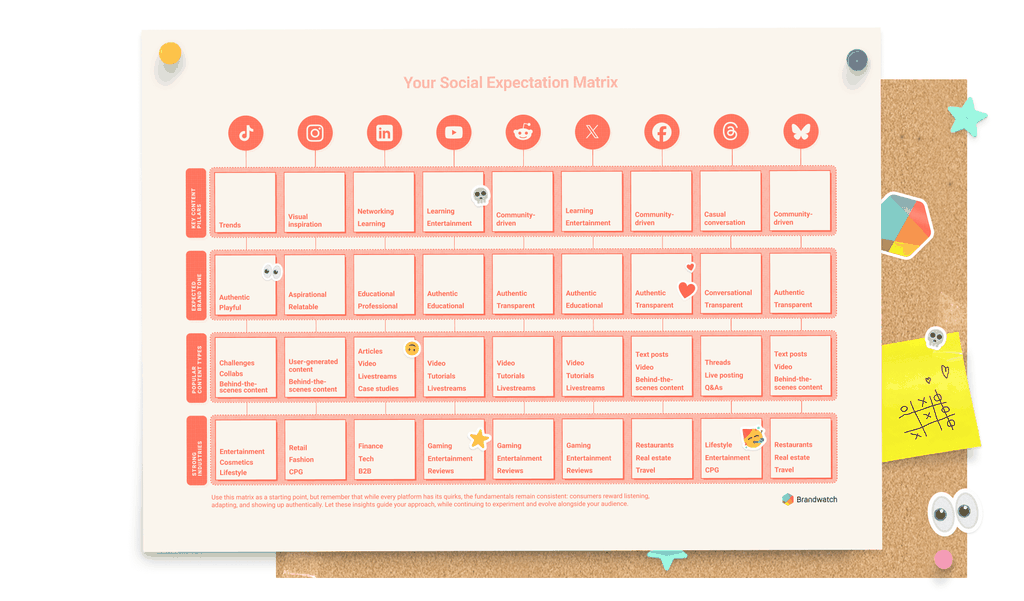
Use this matrix as a starting point, but remember that while every platform has its quirks, the fundamentals remain consistent: consumers reward listening, adapting, and being authentic. Let these insights guide your approach, while continuing to experiment and evolve alongside your audience.
Roundup: The state of social in 2026
Magnified frustrations around intrusive ads and poor online experiences with brands are fueling a growing trust gap between brands and consumers. But, in 2026, opportunities lie in how brands choose to respond.
With mentions of authentic influencer content up 66% and discussions around hidden fees growing 40%, consumers are clearly rewarding transparency and honesty. The takeaway? Trust has become the real currency in online interactions.
In 2026, the marketers who succeed will be those that adapt to shifting consumer expectations. And with social media now at the forefront of reputation and loyalty, strengthening trust and meeting customers where they are becomes essential.
Methodology
This report draws on data from 910 million online posts, collected with Brandwatch Consumer Research between January 1 and June 30, 2025. Where relevant, we also analyzed historical data back to January 2022 to provide context and identify longer-term shifts. Unless otherwise stated, comparisons to the “previous period” refer to July 1 – December 31, 2024.
Our research combined industry-specific queries with broader tracking of social media behavior and public perception.
Published on September 24th, 2025