


Consumer tech is moving fast – and audiences are moving even faster.
From AI breakthroughs to smarter, more intuitive devices, innovation is reshaping how people live, work, and expect brands to show up. As technology evolves, so do the conversations happening across online communities – and they’re already signalling what’s next.
For brands, staying relevant in 2026 means listening closely, anticipating shifts early, and building marketing strategies that feel as forward-thinking as the tech that consumers are adopting.
Here’s what the latest consumer technology chatter is revealing – and how brands can use these insights to stay one step ahead.
What’s shaping consumer technology conversations right now?
According to Brandwatch Consumer Research, conversations around consumer technology have surpassed 157 million mentions in the past year.
These mentions span everything from the latest smartphone releases to wearable tech, smart home devices, and gaming consoles. For brands, these conversations offer valuable insight into shifting preferences, emerging trends, and the features driving purchase decisions.
A few key trends are now emerging in the consumer technology conversation – let’s take a closer look.
1. Personal AI assistants go mainstream
Conversations about AI – and smart assistants in particular – are up 31% year-on-year, reaching over 2.35 million mentions.
Whether it’s people sharing tips on effective prompts or joking about how reliant we’ve all become on apps like ChatGPT, these discussions are becoming increasingly frequent as AI usage becomes part of everyday life.
Consumer AI adoption is already widespread, with around 1.7–1.8 billion users globally, and the rise of personal AI assistants is clearly transforming how people manage daily routines. Tools like Google Gemini are helping users streamline everything from social calendars to wardrobes.
Using Brandwatch’s Iris AI, we’ve seen that consumers are increasingly treating these assistants as helpful companions that boost efficiency and simplify life.
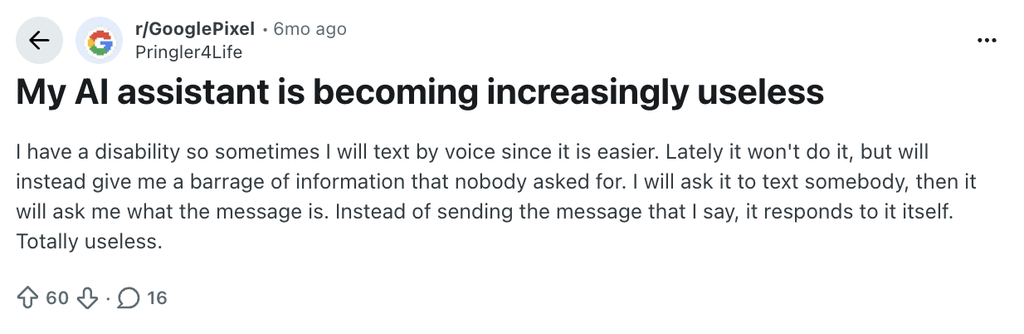
But the experience isn’t always seamless. Users are also voicing frustrations around reliability, limited functionality, and lack of updates – especially when assistants fail to complete basic tasks or give unhelpful responses.
Takeaway for brands
This mix of excitement and exasperation highlights a key opportunity: listen, learn, and improve.
By tracking consumer conversations, brands can spot unmet expectations and identify the features that matter most. These insights can help refine communications, particularly around new capabilities, ensuring your messaging resonates with a rapidly evolving audience.
2. Upgrade cycles are lengthening – but chatter remains steady
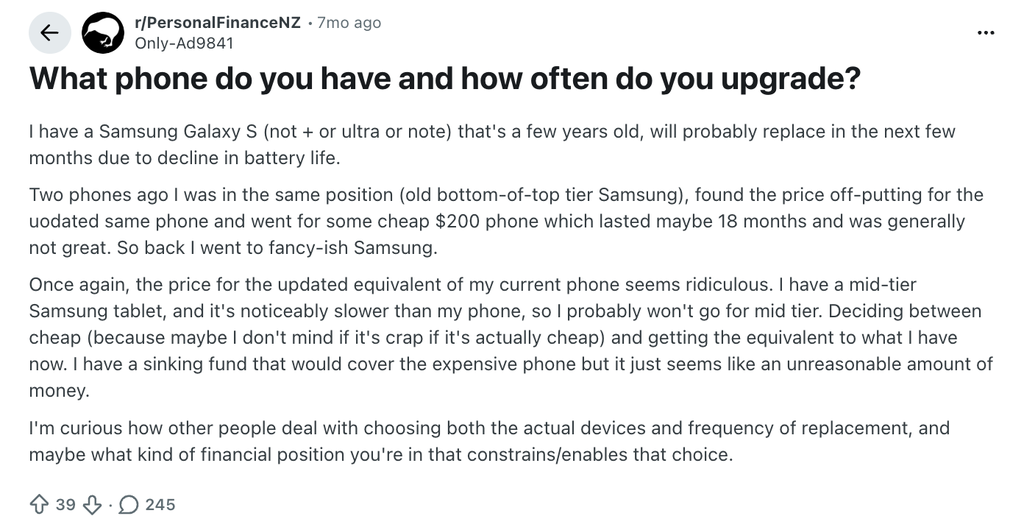
With over 18 million mentions about new or existing devices, it’s clear consumers are still captivated by their tech. But replacement cycles are lengthening – 71% of consumers now keep their smartphone for 3+ years, up from 52% in 2020. This is causing people to demand more from their devices.
With fewer routine upgrades, there’s more pressure on brands to create devices that truly stand out. And with global consumer tech sales expected to have reached $1.29 trillion in 2025, products that combine premium features, useful accessories, and excellent customer service are more likely to make an impact.
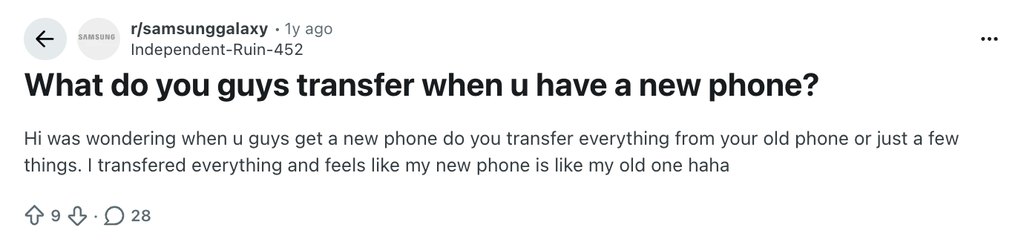
For the customers that are choosing to upgrade, many encounter roadblocks. Brandwatch’s Iris AI shows that conversations often highlight transition troubles and user experience frustrations – from lost data, game progress, or account access, to poor support and confusing transfer processes. These issues can quickly dampen the excitement of a new purchase.
Consumers also want choice: some prefer to transfer everything, while others want to move only selected data. Giving users control is essential.
Takeaway for brands
Because consumers are upgrading less often, each interaction comes with higher stakes. With fewer chances to win or retain customers, a single poor experience can cost you loyalty for the next 3+ years – so make sure to prioritize customer satisfaction.
3. The biggest causes of consumer frustration
Not all conversations about tech are positive. 38.7% of emotion-categorized mentions express anger, with a further 18.5% showing sadness.
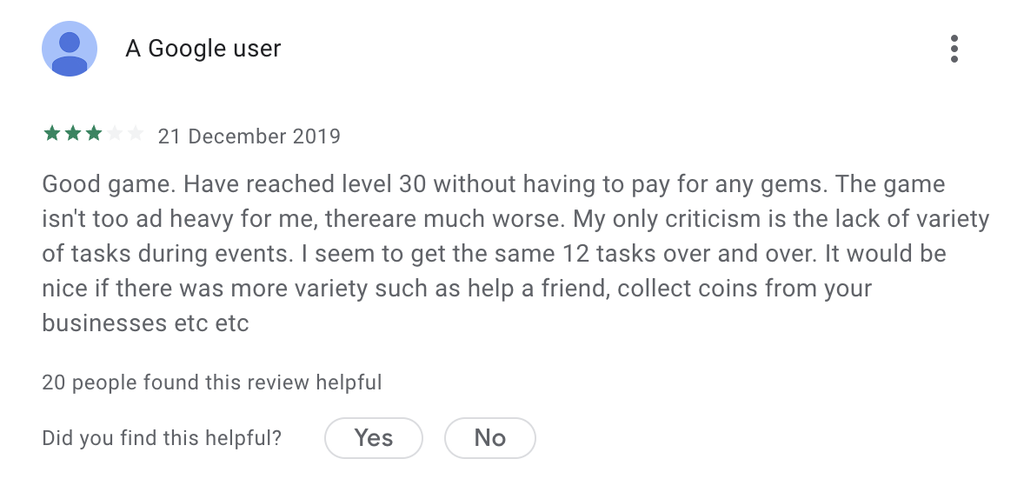
The sources of this frustration are clear. Consumers often vent about app performance issues, unhelpful customer support, and buggy updates. Overloaded ads and device compatibility problems also trigger dissatisfaction.
The good news? Every frustrated post can be treated as actionable feedback. Brands that pay attention have an opportunity to turn negative sentiment into improvement.
Reviews are particularly valuable – they often contain the most specific insights on what’s going wrong and what could be better.
Takeaway for brands
Monitoring negative sentiment through social listening allows you to pinpoint exactly where experiences are breaking down – and fix them quickly.
And while anger may be the dominant emotion in consumer tech conversations today, it’s also the most actionable – if brands are willing to listen.
Roundup
Consumers want products that simplify their lives, not add extra complications. Focus on streamlining the customer experience, because an easy, friction-free journey helps build brand loyalty. And remember that functionality is key. With longer upgrade cycles, consumers are prioritizing reliability, compatibility, and strong customer support.
Every piece of feedback counts – even complaints and negative reviews can inform your roadmap and guide improvements.
When planning marketing strategies, social listening can give you a head start. For tailored insights relevant to your business, Brandwatch Consumer Research has you covered.


