


In 2026, cars aren’t just evolving – the way people buy, use, and talk about them is changing too.
From the normalization of EVs to shifting attitudes around AI, maintenance, and ownership, consumer expectations are evolving fast. So, what’s shaping the road ahead in 2026?
We analyzed over 36 million online conversations using Brandwatch Consumer Research to uncover how consumers are talking about the automotive industry – and to discover what brands should prioritize in 2026. Let’s get to it.
Trend 1: AI fatigue replaces AI excitement
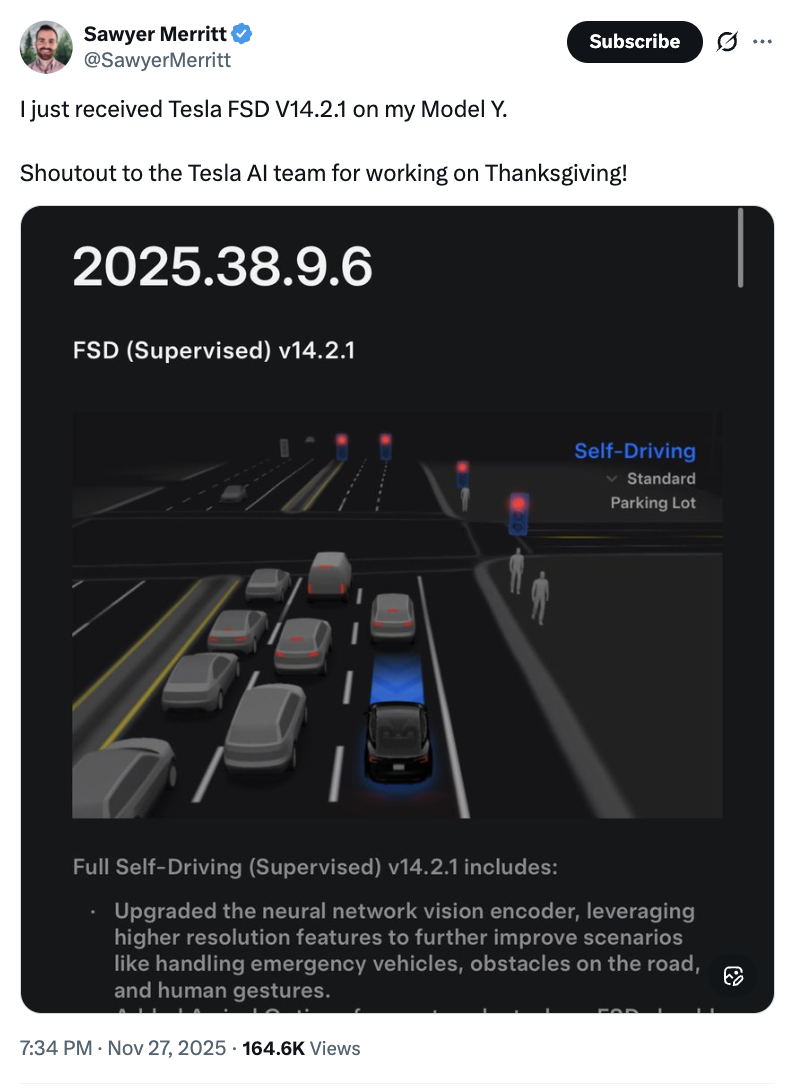
Online conversations about AI in the automotive industry boomed in 2025 – jumping 52% year on year and generating over 297k online mentions. But while AI was once seen as a differentiator, now the tone has shifted. Instead? AI implementations are being judged on whether they actually work.
The hottest topic is AI in customer service – and sentiment is mixed. Some value the efficiency, but many find ill-equipped AI chatbots frustrating and poorly designed, especially in an industry that relies heavily on human expertise.
From AI systems misunderstanding customer needs to failing to resolve issues, these errors can quickly outshine quality work done by car dealerships or service teams.
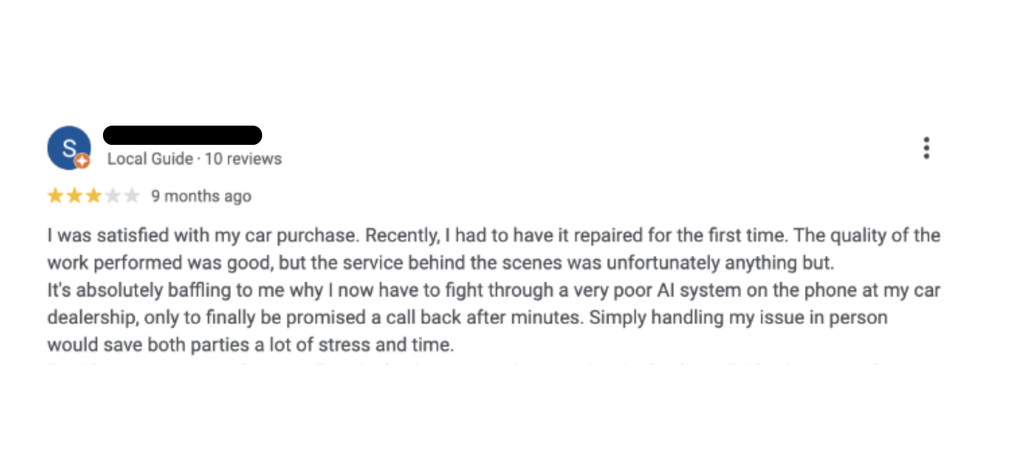
But customers aren’t rejecting the tech outright. They’re simply rejecting the friction. And as AI expectations rise, demand for efficiency grows – and so does the need for human support in service interactions for problems that are complex.
Trend 2: EVs are now judged on experience, not innovation
With over 1.57 million online mentions in 2025, EVs are still a huge part of automotive chatter. But momentum is slowing. In 2025, EV mentions fell 17% year on year, with 9% fewer unique authors joining in the chatter.
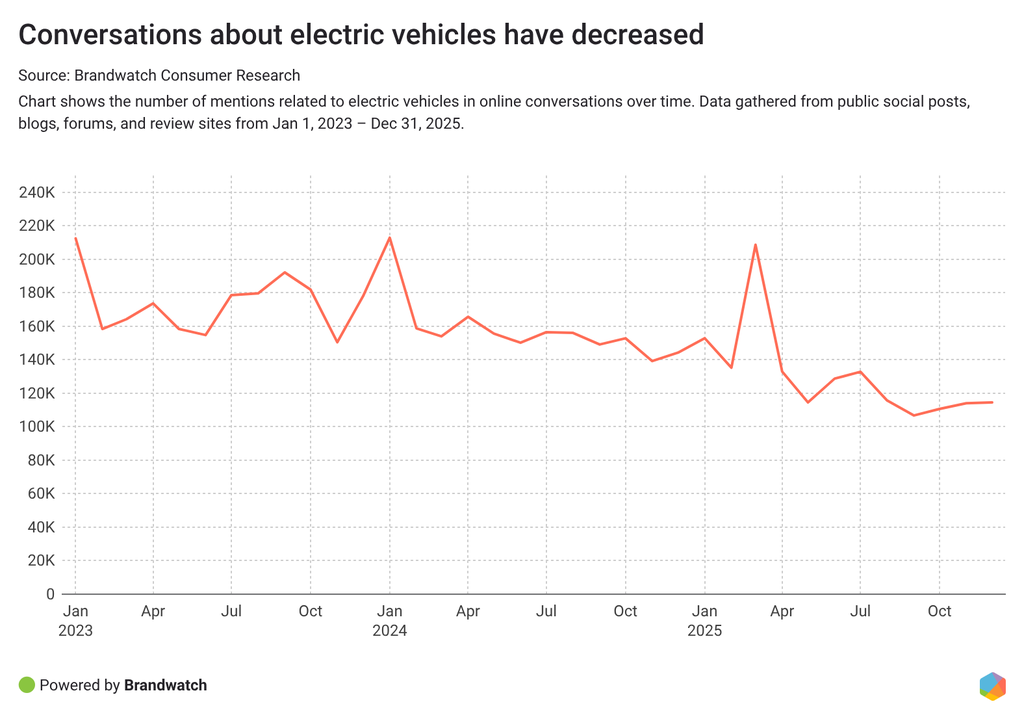
The takeaway? EVs aren’t novel anymore. Simply offering an EV is no longer enough to stand out. Instead, consumers expect brands to get the fundamentals right, and they’re judge EVs by ownership experience – not the technology itself.
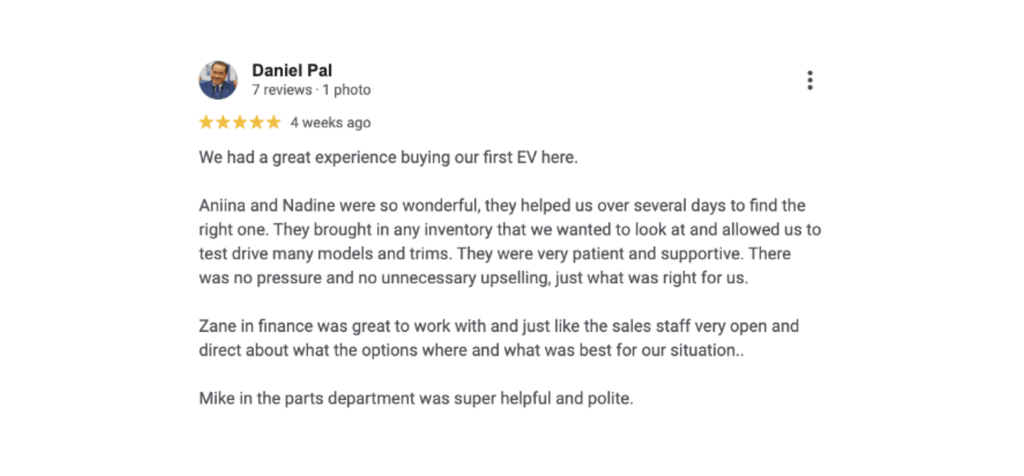
So, what’s working? Thousands of customers are sharing their positive experiences with dealerships online, and conversations highlight knowledgeable staff, transparent pricing, and a no-pressure approach when it comes to first-time EV buyers making the switch. Brands in the automotive industry that want to get it right should focus on generating supportive and educational experiences with customers.
On the other hand, ownership is where the cracks appear. EV owners frequently share frustrations around charging infrastructure, particularly in less urban areas. Long wait times for repairs and poor communication from customer service are also a frequent complaint.
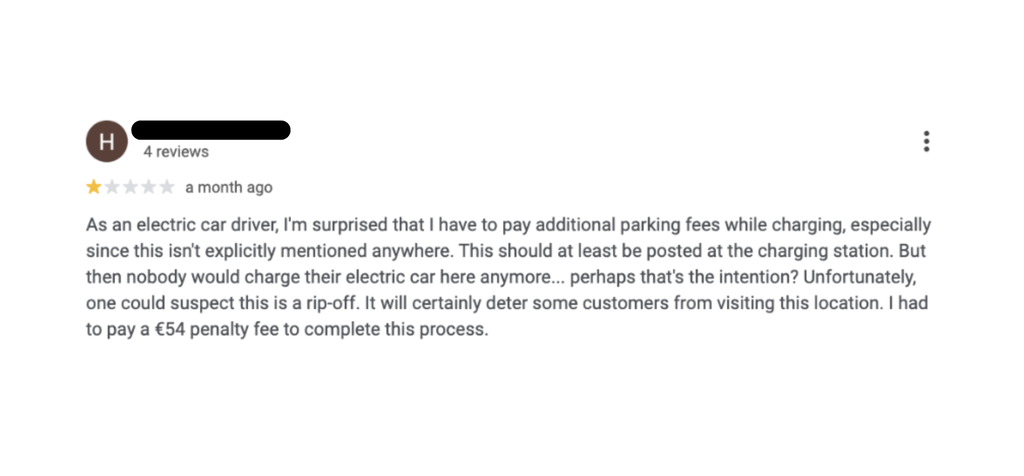
The takeaway for 2026? EV’s are now mainstream. Now the hype has dissipated, consumers are offering the same scrutiny they apply to any other vehicle. For brands, the differentiators now lie beyond the electrification itself. Instead, focus on making EV ownership feel easy.
Trend 3: Maintenance is top of mind for new drivers
For new drivers, maintenance isn’t just a footnote – it’s a major consideration. In fact, nearly 25% of categorized online mentions from this group were about maintenance, rivaling discussions about models, pricing, and customer service.
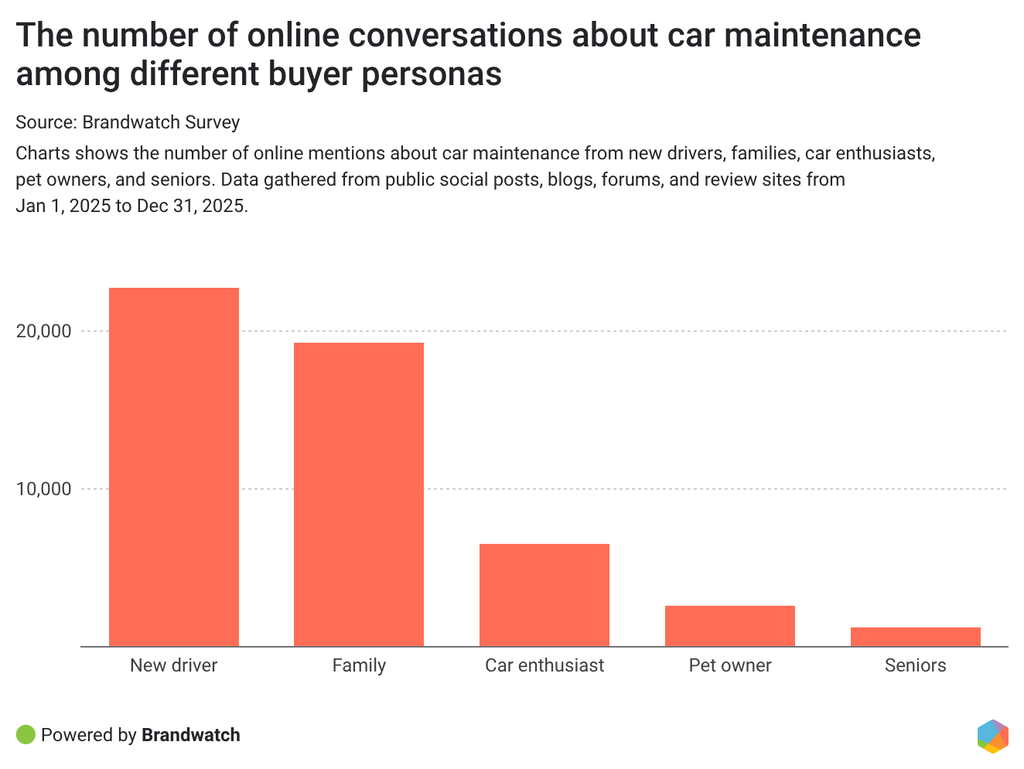
Conversations from new drivers show both a mix of excitement and caution – and a huge portion of the conversation involves people asking others for advice. Reliability is key, and brands with a reputation for durability often come highly recommended.
But beyond the mechanics, there’s also an emotional response too. First cars are a financial and lifetime milestone – and buyers want to make sure they get it right.
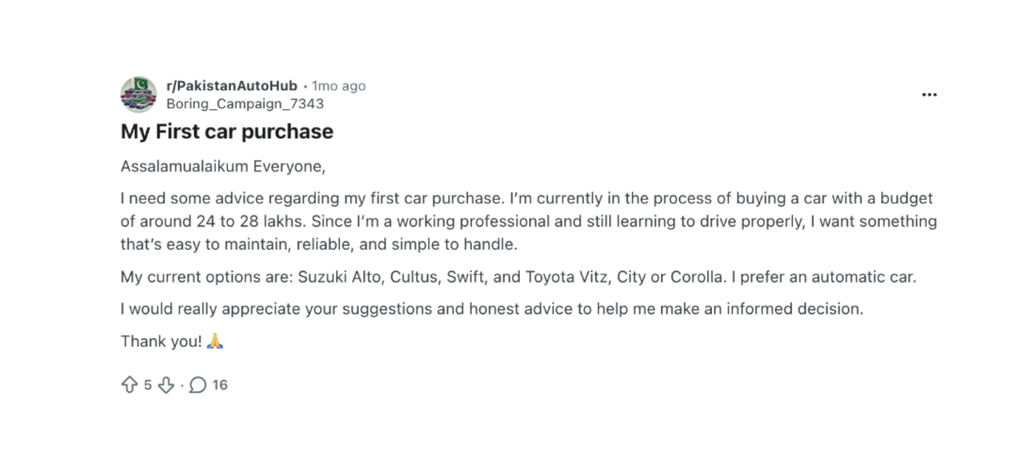
In 2026, new drivers aren’t just looking for a smooth, low-friction ownership experience – but they're actively seeking advice on how to maintain it. Online forums and social platforms are filled with first-time owners asking for tips on reliability, repair costs, and what to expect after purchase – specifically in the second-hand market.
This creates a clear opportunity for brands: be proactive. Address maintenance concerns, offer clear guidance, and stay present throughout the ownership experience. This way, you’re more likely to build trust early – turning a first car into a lifetime relationship with your brand.
Trend 4: Cost pressures are normalizing leasing
The leasing vs ownership debate is still going strong. And in 2026, rising car prices – particularly for EVs and luxury cars – are forcing customers to think harder about the total value of leasing and the cost of car ownership. And these conversations are rife online.
Reddit alone hosted 354k conversations about vehicle subscriptions and leasing in 2025, up 9% year on year. And the biggest topic? Pricing. On top of this, the UK’s vehicle leasing industry reached record levels in 2025, showing that traditional expectations around car ownership are continuing to shift. These are driven by the affordability of luxury cars and EVs, and new car manufacturers entering the market.
First-time car buyers, young drivers, and even car enthusiasts are all factoring cost into their decisions. And with leasing more flexible than ever, cost concerns are shaping how people manage their car ownership.
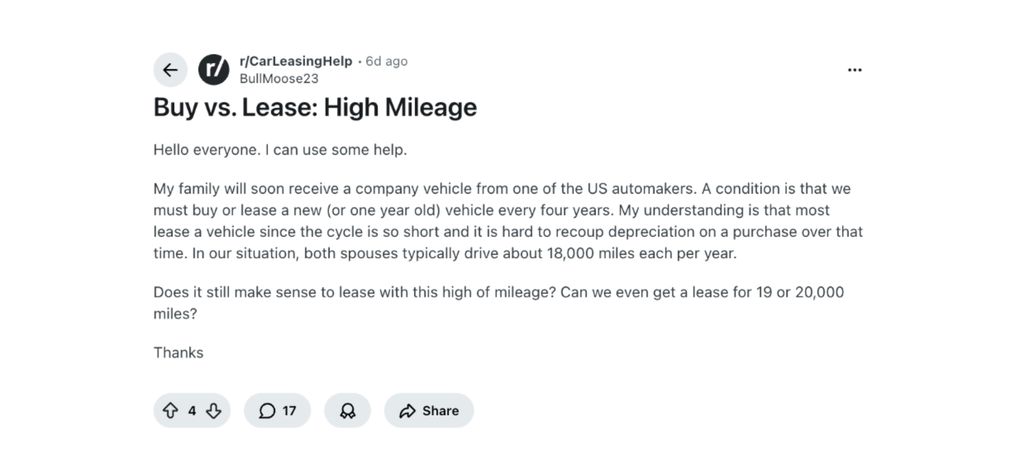
In 2026, ownership is becoming even more personal. Customers aren’t just choosing between buying or leasing – they’re exploring subscriptions, flexible financing, and hybrid cost models that fit their budget and lifestyle. For brands, transparent, flexible, and low-friction finance options are no longer optional. They’re essential.
Roundup
In 2026, one trend stands out for the automotive industry: consumers have moved past hype and towards evaluation. Conversations are less about innovation, and more about everyday reality. People are analyzing if new tech is helpful, if ownership is easy, and if costs are upfront.
Plus, customers are comparing notes publicly. They’re seeking advice from each other, and rewarding the brands that feel supportive long after a sale. Brands that listen closely to these conversations – and take action – are the ones building loyalty for the long term.
How we uncovered these trends (and how you can too)
For this analysis, we used Brandwatch Consumer Research to analyze over 36 million online conversations across social media, forums, review sites, and blogs throughout 2025.
We filtered by themes (AI, EVs, maintenance, leasing), segmented by audience (new drivers, families, enthusiasts), and tracked sentiment shifts over time to spot where the conversation – and consumer expectations – are heading.
Want to dig deeper into your corner of the market?
Auto brands can use social listening to zoom in on what matters to their business:
- How does your brand show up in maintenance conversations vs. competitors?
- What are EV buyers saying about your charging network or service experience?
- Where's the friction in your customer journey – from first search to ownership?
Whether you're tracking a product launch, measuring sentiment after a service change, or just trying to understand what your customers actually care about, the conversation data is already out there.


