


We’re deep into the holiday shopping season, and consumers are doing things a little differently.
Some shoppers are hunting for early deals. Others are leaning into thoughtful handmade gifts. And plenty will still be panic-buying at the last minute.
Back in the fall, we looked into what people were actually saying about holiday shopping using Brandwatch Consumer Research. We discovered some interesting shifts in shoppers’ behavior – from budgeting to gifting – and in this article, we’ll address what that means for brands trying to reach consumers.
Christmas came early – and not everyone was happy
Back in August, we started noticing something: people were already feeling pre-holiday-season anxiety as promotions piled up early, leaving little to no room to breathe between celebrations.
The data confirmed it. Holiday shopping mentions were up 5% in August 2025 compared to August 2024, and conversations peaked at 56,402 mentions in the week of October 6, 2025, indicating an early surge in interest that’s continued through the season.
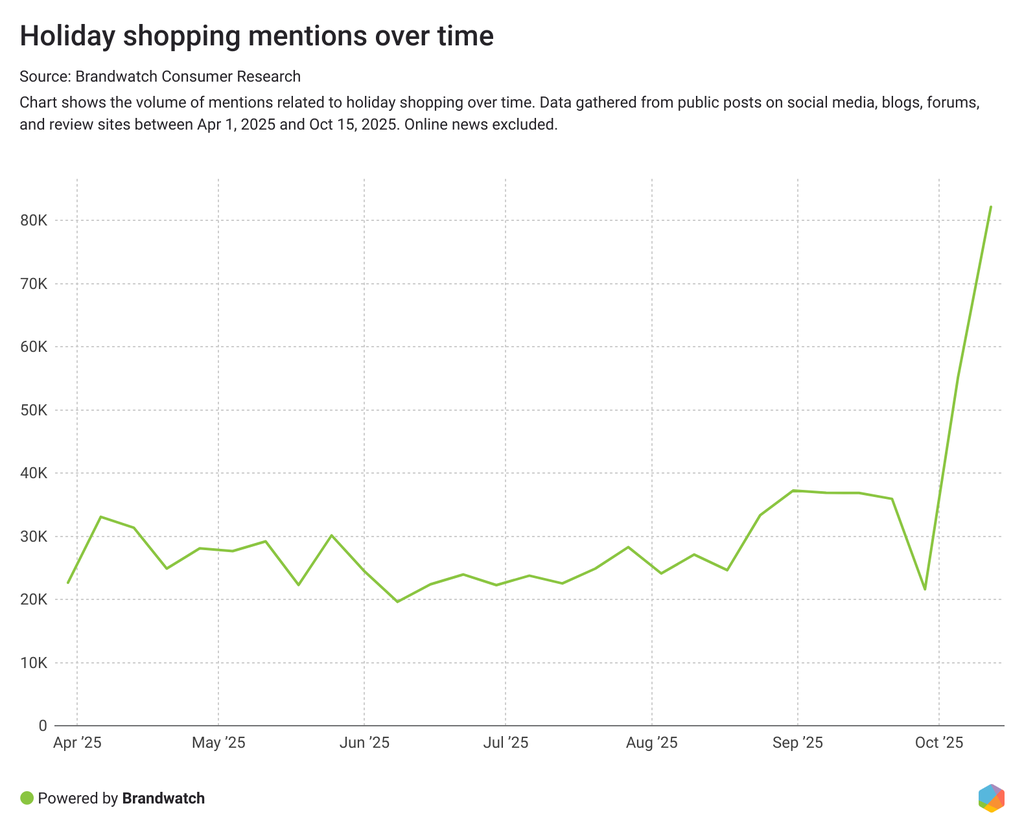
Looking at a year’s worth of data (between October 1, 2024 and October 1, 2025), opinions on early gift shopping leaned more positive than negative – 72% positive versus 28% negative. The opportunity? Understanding those consumers who aren’t feeling jolly this season.
So what’s driving that negativity?
Seasonal overwhelm is a driving force
Throughout the fall and into December, people have been venting on social media about holiday shopping pressure starting early each year – many were feeling overwhelmed before the season even officially began.
While some joyfully embrace the holiday festivities, others are doing it reluctantly, often to get it done early and avoid December stress, or to hunt for better deals before prices climb higher.
Organized shoppers are also ordering early to dodge shipping delays, low stock, or supply chain issues (lessons many learned in past years).
Economic instability is also contributing to anxiety. Concerns about inflation and rising costs are prompting people to be more strategic. We've seen a rise in discussions about planning ahead and making smarter purchasing decisions to avoid financial strain.
What this means for brands: Consumers are feeling fatigued by nonstop promotions, so brands need to be more intentional with timing and messaging to avoid contributing to the noise. Instead, create focused experiences that reduce decision fatigue and solve specific problems for consumers – for example, targeted bestseller collections like “gifts under $25” or "last-minute stocking stuffers." The goal is to help consumers feel in control, which boosts consumer trust. (We talk more about the state of consumer trust in our State of Social 2026 report.)
Stretching budgets this holiday season
With all the financial pressure, it’s no surprise people are looking for ways to keep costs down as the holiday season continues.
“Holiday-flation” means most consumers now expect higher holiday prices, making it standard practice to hunt for sales and discounts earlier to stretch their budgets further.
The numbers back this up: Google searches for discounts and coupon codes are up 11% year over year. Back in August, search interest for coupons and discounts peaked its highest point in three years – and that mindset has carried through the season.
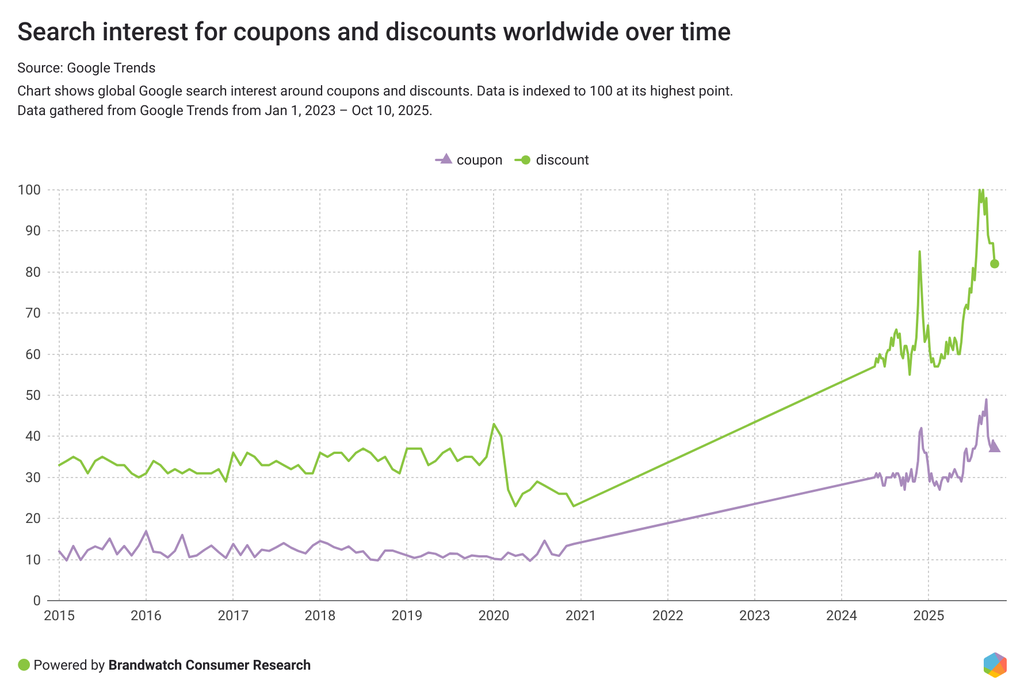
With budgets stretched thin, many are searching for the best of both worlds: thoughtful gifts that don’t break the bank.
Brandwatch data shows that many consumers are more likely to mention or share links to discounted or budget retailers like Temu and TikTok Shop.
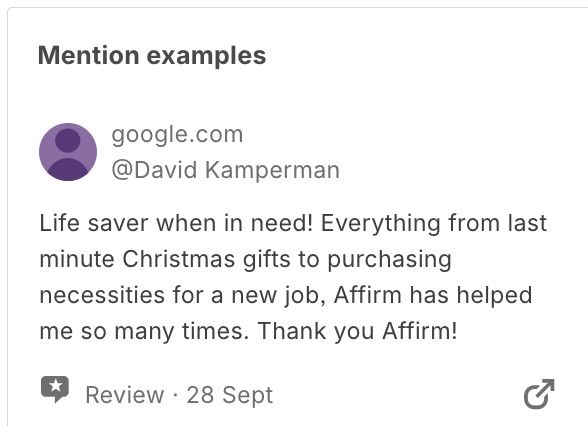
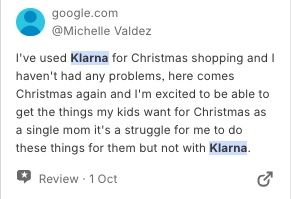
More consumers are also relying on payment plans during the busy spending season. Specifically, buy-now-pay-later (BNPL) or flexible payment solutions like Affirm and Klarna have become a lot more common.
Between August and October 2025, mentions of BNPL brands and payment plans jumped 73% compared to the same period in 2024. And according to a recent Adobe study, BNPL spend during the holiday season is projected to reach $20.2B in 2025 – the highest in the last three years.
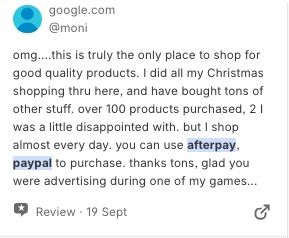
What this means for brands: As shoppers continue making purchases though the season, they’re grateful when stores offer flexible payment options or coupons that can make deals just a bit sweeter for them.
Craving holiday magic IRL
Online conversations reveal a wave of nostalgia for in-store experiences that capture the magic of the season – twinkling decorations, familiar music, cozy scents, and festive displays.
People are craving the holiday spirit – they want to feel Christmassy, not just check gifts off their list.
Though online shopping wins on convenience, physical retail still “sparks joy” because it delivers immersive, sensory experiences that evoke emotion and nostalgia.
Across social media, we’re seeing mentions of the magical department stores of decades past, alongside excitement about current Christmas setups at stores like Harrods, Costco, B&M, and Bergdorf.
What this means for brands: The data shows that many consumers are seeking festive experiences. This presents an opportunity for brands to go beyond a transactional relationship and make their physical and digital space feel like a destination that draws crowds in.
Create Instagram-worthy moments through seasonal displays, photo ops, and experiential elements that give shoppers a reason to engage and share on social media. Even without a physical storefront, digital activations can generate the same social buzz.
Holidays spark creativity
Every holiday season, DIY crafts and gifts are buzzing across social platforms – and this year is no exception.
Whether driven by economic pressure and holiday-flation, or simply the desire to make personalized gifts by hand, many individuals turn to platforms like Instagram, TikTok, and Reddit to share and gather ideas and inspiration.
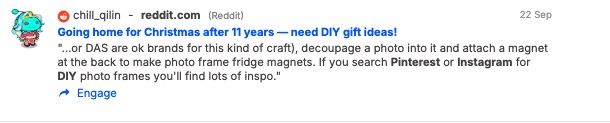
This year, people are talking about making their own gifts, repurposing materials, finding low-cost alternatives, and sharing inventive ways to make the season feel special without overspending.
The numbers back this up. Between August 1 and October 13, 2025, we tracked 21% more unique authors discussing DIY holiday shopping compared to the same period in 2024. Terms like “creative Christmas DIYs” and “affordable gift hacks” are trending in searches, and sentiment around DIY holiday gifting is overwhelmingly positive – 91% versus 9% negative across conversations between October 1, 2024 and October 1, 2025).
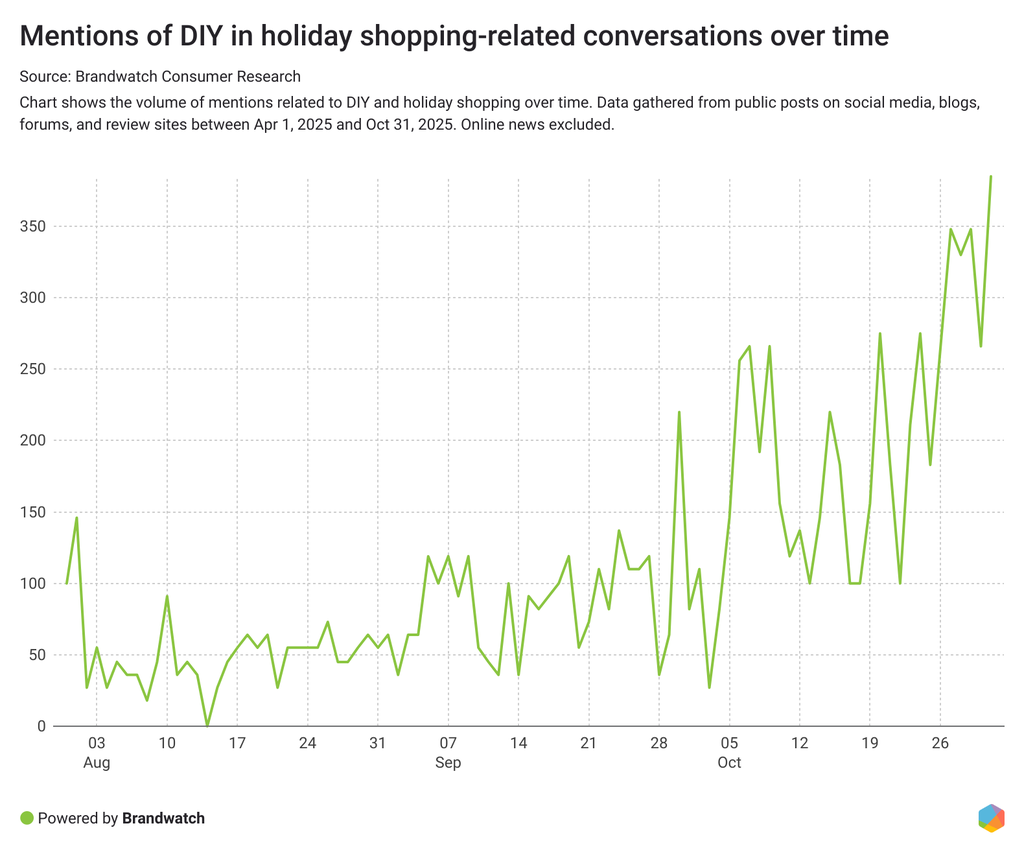
What this means for brands: While DIY might seem like a threat to retail, even the most creative consumers still need to shop for supplies. Home bakers need ingredients. Crafters need materials for handmade decorations.
For many retail brands, this is an opportunity to partner with influencers and DIY creators to spotlight unique and affordable projects featuring their products – recipe collaborations, craft tutorials, or curated DIY starter kits.
Holiday shopping 2025: Key takeaways
According to the online data, practical, functional, and budget-friendly gifts are taking center stage this year.
To succeed, brands need to meet consumers where they are – offering great value and irresistible deals or being a source of creative inspiration.
After endless scrolling, people are craving something more tangible. They’re remembering that real holiday joy comes from shared, in-person experiences. Brands that tap into this need for real-life emotion and in-store magic are seeing positive responses. And there’s definitely still time to tap into these insights as the season continues.
No matter the trend, social listening keeps you ahead of the curve. With Brandwatch Consumer Research, you can quickly identify rising themes, creators, and niche trends before as they unfold, giving you the time to adapt your strategy while the competition is still catching on.


