


Did Your Last Campaign Work? Why You Need Both Social and Search Data to Know for Sure
By Ksenia NewtonAug 14
Learn how to identify emerging risk signals and respond to threats before they escalate across social, media, and AI.
As marketers grapple with an increasingly visual-oriented landscape, image analytics has become a vital part of the social toolkit.
In a hostile universe of social networks in which platforms are either expanding or fading, the marketers’ toolkit is never complete. But while some platforms have died and others have proliferated, there’s a growing need for the ability to understand increasingly visual-oriented conversations, regardless of what galaxy they take place in. Enter the solution: image analytics.
Why do brands need to take notice of image analytics? You’re about to find out.
 If you need convincing that we’re obsessed with images, consider the most popular online memes.Online communities are able to attach a number of complex shared meanings to an image – think about the various, often contradictory connotations of the recently deceased (but still alive in the minds of many) Pepe the Frog. A clumsily drawn cartoon amphibian connotes a whole array of things from feeling good to the rise of the alt-right movement. The internet is full of signs that are constantly evolving in meaning and being added to.
These often transcend language and culture and present common meanings perhaps previously only achieved by religious symbols and road signs.
If you’re still not convinced, consider the rise of the emoji, the social network scramble to invest in video, the 3.2 billion images are shared online each day and, soon, virtual reality.
We can process visuals 60,000 times faster than text, and we’re becoming an impatient species.
A picture is worth a thousand words, and while we’re not quite at the stage where literacy is becoming a thing of the past, visual content is an imperative part of how messages are shared on the web.
We’ve previously talked about how 96% of untagged brand mentions are ignored (this is people talking about a brand but not @ mentioning them). Now imagine the number of times your logo is photographed and shared in an image, whether it’s the main focus or in the background. The % could be even more shocking.
As visual content becomes more and more prominent, your brand could viably be featured hundreds of thousands to millions of times a day in social media posts, and if you’ve not got a suitable image analytics tool you’ll know nothing about them.
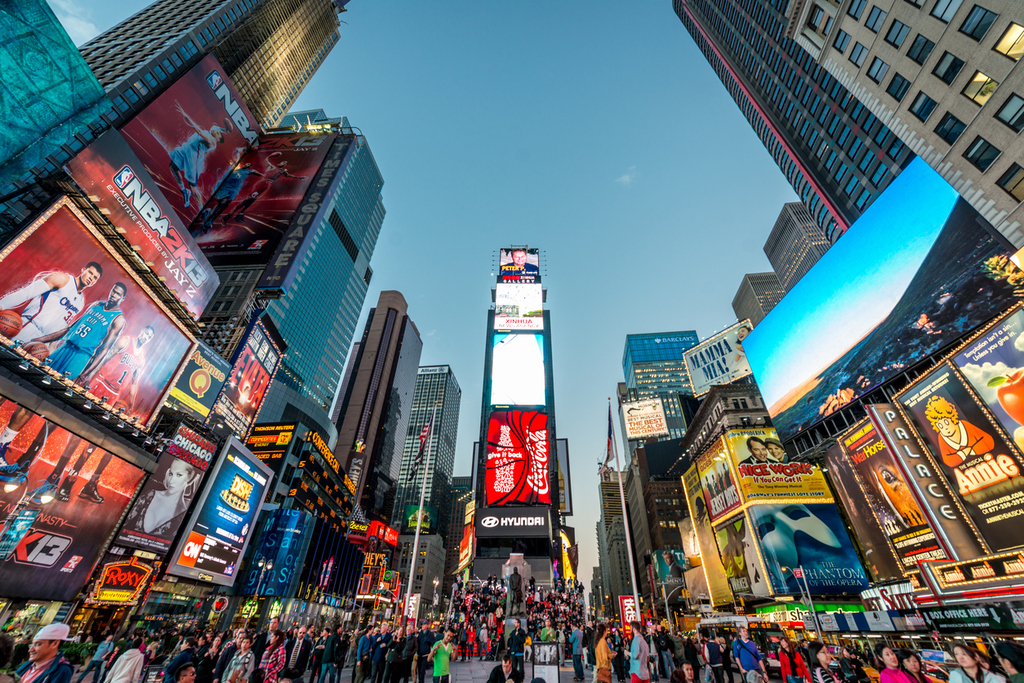 Brands fork out thousands on costly sponsorships each year to have their logo plastered across social assets and physical promotional material, but measuring the ROI on this can be difficult.
A good image analytics tool can go some way in finding out which events are getting you the most bang for your buck. How many tourists are photographing your ad in Times Square? It’s now possible to find out.
Setting up Signals and Alerts for times when your logo is being mentioned more frequently than usual is vital. Whether one of your products has gone viral on its own or if tragedy has struck near one of your franchises, it’s important to have a grip on the images being shared.
Much like Brandwatch Alerts and Signals can be set up to notify you when text mentions change in a certain way, being alerted to a visual-related crisis or incident early on buys a brand precious time to deal with it.
Images are often posted in a very different context to text mentions. While a purely text mention might be discussing your brand in the form of praise or criticisim, a photograph containing your logo might reveal more about the context in which your products are consumed. These image mentions are often passive and unfiltered but analysts can learn a lot more from them. Insights gleaned from images can help inform decisions surrounding the context in which the product is advertised and how different groups use your product differently.
Studying the conversation can also help a brand identify previously uncovered influential consumers who they might be able to develop a stronger relationship with.
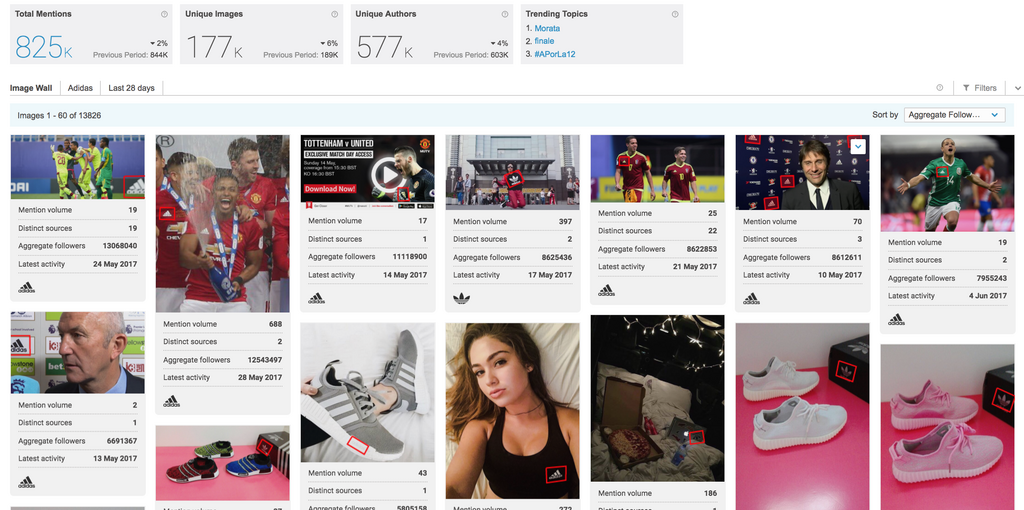 Brandwatch Image Insights is a world class solution to the challenges presented by an image-obsessed social landscape.If you are interested in seeing what Brandwatch Image Insights can offer, the please get in touch by booking a demo.
Existing customer?Log in to access your existing Falcon products and data via the login menu on the top right of the page.New customer?You'll find the former Falcon products under 'Social Media Management' if you go to 'Our Suite' in the navigation.
Brandwatch acquired Paladin in March 2022. It's now called Influence, which is part of Brandwatch's Social Media Management solution.Want to access your Paladin account?Use the login menu at the top right corner.