Influencer marketing is now one of the most powerful ways to reach your target audience, build trust, and increase brand visibility.
In fact, a recent study found that 74% of consumers have purchased a product because of an influencer recommendation. But as powerful as influencer campaigns can be, they also come with risks. If an influencer sparks controversy or your brand ends up in the spotlight for the wrong reasons, any live or recent influencer partnership can quickly amplify public reactions and spark criticism, especially online.
To reduce risk, smart brands plan ahead. They build a successful influencer marketing strategy that includes careful vetting, clear guidelines, transparency, and ongoing monitoring. In other words, they know how to build influencer partnerships that are both effective and resilient.
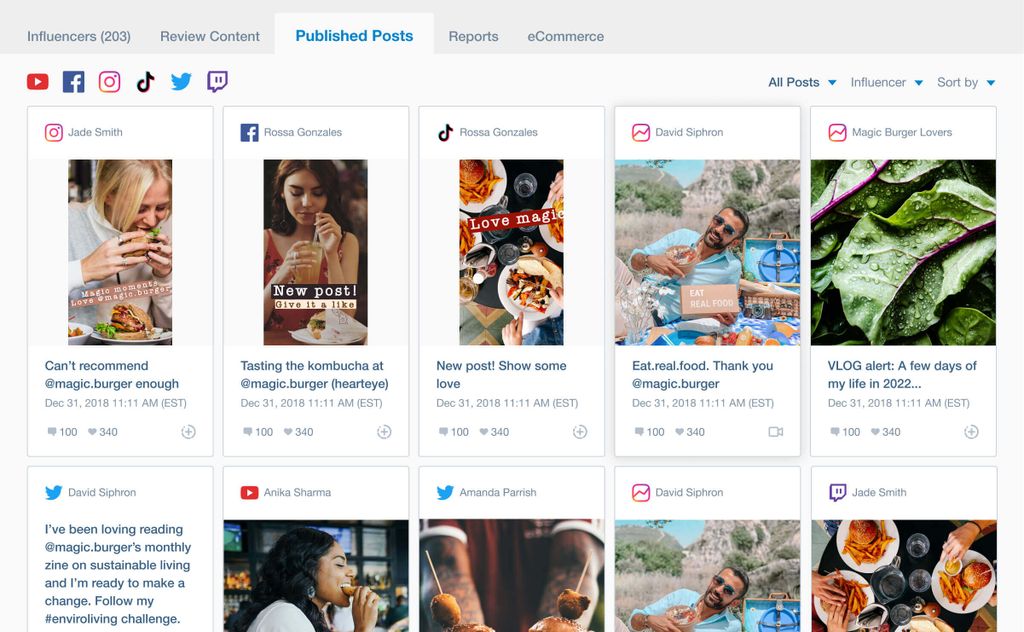
That also means choosing the right influencer management partners and keeping a pulse on what’s happening in real time. Tools like Brandwatch Influence help you with both, from vetting potential influencers to monitoring for red flags before they escalate.
Laying the foundation for safer influencer collaborations
"An influencer crisis can happen at any time. So while metrics like reach and engagement are definitely important, choosing the right influencer goes beyond just the numbers. You also need to dig deeper and ask questions like: Do they genuinely align with our brand’s values? Do they have a credible reputation? One old post can resurface and cause lasting damage to your image."
– Astrid Hernandez, Senior Customer Success Manager, Brandwatch
1. Vet influencers thoroughly
The first step in any influencer strategy is selecting the right influencer – and it's not just someone with a large following. Mega influencers and macro influencers may offer impressive reach, but micro influencers and even nano influencers often have higher engagement rates and stronger personal relationships with their communities.
Instead of only looking at follower count, assess whether an influencer aligns with your brand values, tone of voice, and long-term objectives. Look at what they post, how their audience responds, and whether they truly fit with your influencer marketing campaigns.
This is why some brands partner with influencers in niche communities where authenticity matters most, while others prioritize campaigns with broader reach.
Reviewing past campaigns, brand collaborations, and audience engagement can also help flag potentially sensitive content, like political topics, competitor partnerships, controversial language, or any other conflicting affiliations.
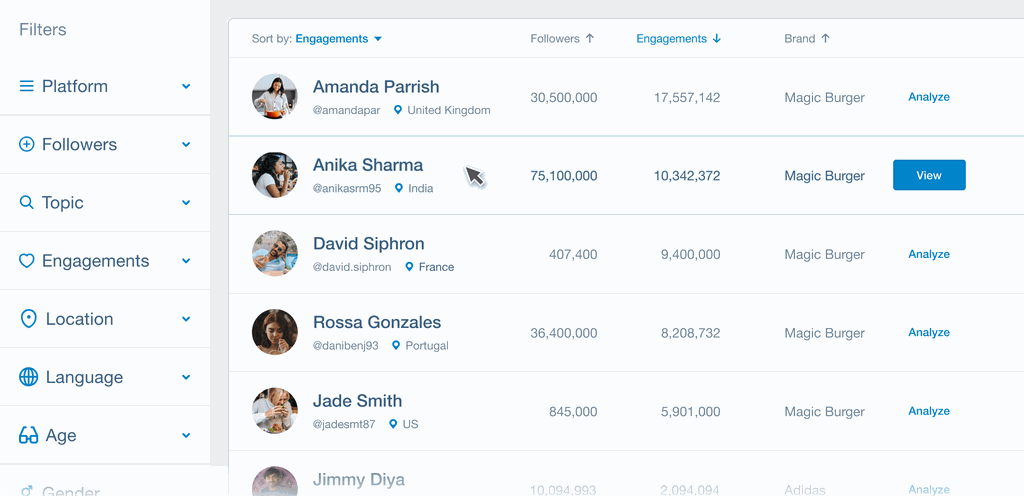
Tools like Brandwatch Influence help brands identify suitable influencers, analyze engagement metrics, and surface potential risks before a partnership begins. This ensures you’re not just finding a popular name; you’re finding the right influencer for both the brand and the audience.
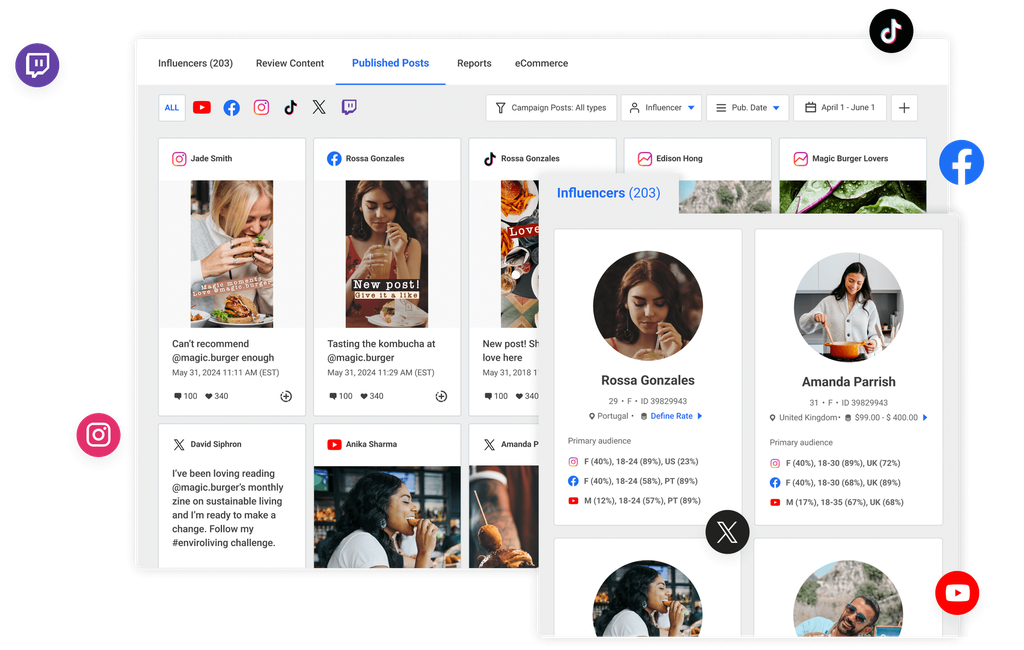
"With Brandwatch Influence, you take data from the leading social media platforms to the next level by unlocking the ability to do brand safety checks, audience insights, and expected performance analytics."
– Josefin Snihs, Director, Product Management, Brandwatch
2. Set clear guidelines in briefs and contracts
Successful influencer marketing partnerships are built on clear communication. When drafting briefs and contracts, outline everything from tone, hashtags, and messaging to restricted topics and competitor associations.
Including a crisis clause and an exit clause gives you the flexibility to respond quickly if something goes wrong. For long-term influencer partnerships, this kind of careful planning helps maintain alignment over time.
Some brands even create influencer playbooks that outline marketing objectives, dos and don’ts, and expectations for reporting. This helps avoid confusion and builds trust between both the brand and the influencer.
3. Prioritize transparency through account authentication
Transparency is essential in the influencer marketing industry, especially when it comes to measuring campaign performance. A better way to get there (and a major step up from sharing screenshots and self-reported numbers) is by asking influencers to authenticate their social media accounts through your influencer management platform.
With account authentication, you get first-party data that lets you track influencer marketing campaigns more accurately. You'll also get reliable metrics, like impressions, engagement rates, and conversions, that allow you to measure success and improve future campaigns.
Some creators might hesitate to connect their accounts because of privacy concerns. If that happens with your prospective partner, explain that authentication is really about building a smoother, data-driven partnership that benefits both sides.
"We always advise brands to require their influencer partners to authenticate their accounts because it’s simply easier – you have more reliable data, and it saves everyone time."
– Tim Horstmann, Enterprise Account Director at Brandwatch.
Tools like Brandwatch Influence make the authentication process secure, keeping influencer accounts safe while giving brands valuable insights.
4. Create a central hub for influencer campaigns
Influencer partnerships can quickly get messy when you’re juggling contracts, briefs, content drafts, and performance reports. Creating a central hub – whether it's a CRM, shared drive, or dedicated influencer management platform – keeps everything organized and easy to find.
Having a central hub not only boosts efficiency but also supports brand safety during crises. When PR, social, and legal teams all need quick access to the same information, a shared hub keeps everyone aligned and helps protect your brand's reputation.
Monitoring influencer campaigns in real time
Launching an influencer campaign is just the beginning. Once the campaign is live, you need to monitor the conversation and how the audience responds in real time.
By combining influencer performance tracking with social listening tools like Brandwatch Consumer Research, you can assess how the campaign is landing with consumers, measure success against KPIs (key performance indicators), stay on top of sentiment, and detect potential backlash early.
For example, you can look for increases in brand awareness and check whether website traffic and conversions align with your marketing goals.
As Lucas Perks, Enterprise Customer Success Manager at Brandwatch, explains:
“Using social listening, you can have an always on monitoring of all your partners to ensure that you have visibility into what they're posting about and the stories their brand is being tied to. This way, if any issues were to emerge, you can get ahead of it before your brand is dragged into it.”
A note on crisis preparedness
Even the most carefully planned influencer marketing campaigns carry some level of risk. That’s why it pays to have a plan in place. If an influencer becomes the focus of controversy, you may need to pause the campaign, brief the influencer to avoid tone-deaf posts, or issue a statement.
For a deeper look into crisis response, check out our Crisis Management Guide – designed to help brands navigate tough scenarios quickly and confidently.
Building stronger long-term influencer partnerships
The influencer marketing industry continues to grow, with brands across different sectors heavily investing in social media influencers. To build long-term influencer partnerships that deliver substantial benefits, brands must focus on authenticity, transparency, and shared values.
When you take the time to vet influencers, set clear guidelines, and keep an eye on campaigns as they run, you’re not just reducing risks – you’re building a foundation for an effective influencer marketing strategy that delivers real value for your brand.
At the end of the day, influencer marketing isn’t just about reach; it’s about creating space for meaningful interactions with an engaged audience. The stronger your influencer partnerships, the more likely your campaigns will connect with audiences in a genuine way, help you boost brand exposure, and drive lasting results.