Influencer marketing is in a period of rapid growth. An industry valued at $10 billion in 2020 is now worth $30 billion.
The global increase in smartphone usage and shift in entertainment preferences from TV to online means more of us are on social media than ever before. The age of celebrity has stepped aside for the era of influencers.
No wonder brands are investing more in influencer campaigns than ever before.
Part of the strategic approach to influencer marketing is to invest in tools to manage the process. From audience insights and influencer search to striking partnerships and analyzing the results, there are plenty of tools out there to help.
Below we’ve updated our list of the best influencer marketing tools for 2026, focusing on what each one does, their key features, who they’re ideal for, and what’s new this year.
Top Influencer Marketing Tools for 2026
- Brandwatch
- CreatorIQ
- Upfluence
- Traackr
- Aspire
- GRIN
- HypeAuditor
- Influencity
- Heepsy
- Afluencer
1. Brandwatch
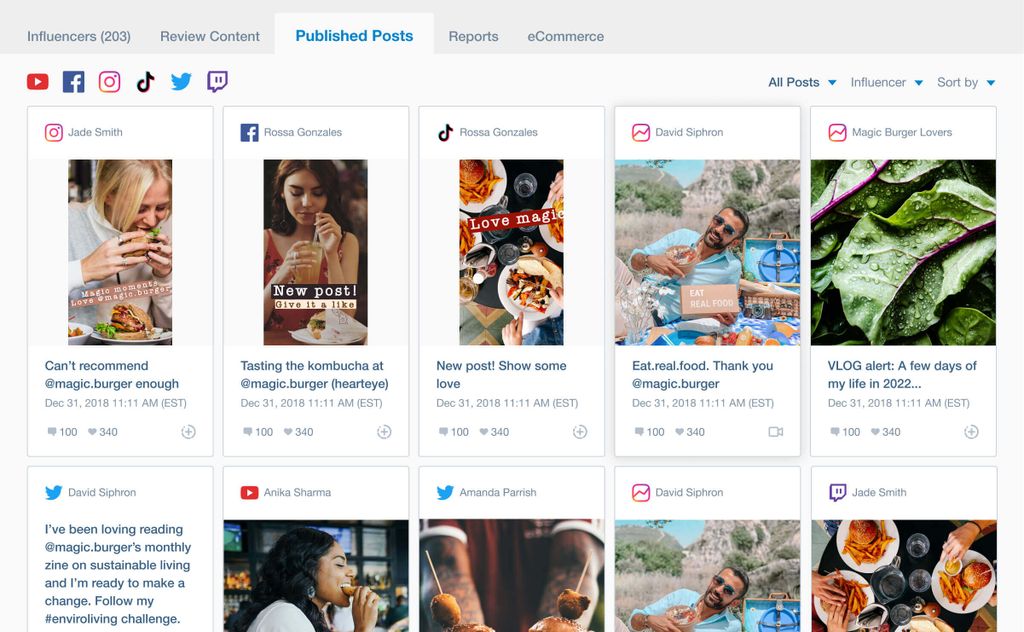
Brandwatch is a social media management platform that features an end-to-end influencer marketing solution called Influence. The module is built to manage large-scale marketing campaigns from discovery to payment.
Part of the Brandwatch suite, Influence combines powerful influencer search with robust campaign management and analytics.
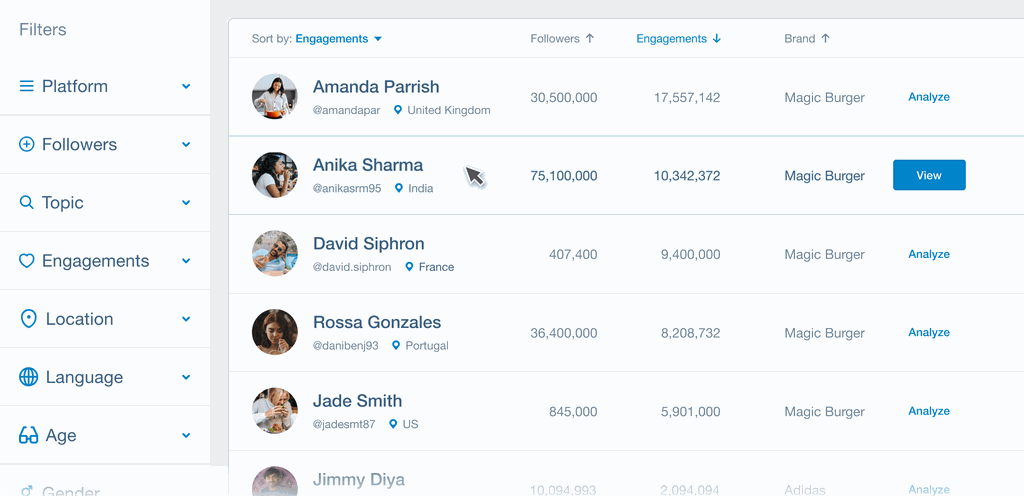
Brandwatch Influence tracks over 50 million creators across major platforms like TikTok, Instagram, YouTube, Twitch, Facebook, and X, making it easy to find the right influencers for your brand.
You can streamline influencer management, workflows, content ideation, and payments in one place. There's also a mobile-friendly dashboard for influencers to log into, making it easier to achieve shared goals.
It also acts as a full influencer CRM – you can record each creator’s contact details, store contracts, monitor correspondence, and even handle global payments within the platform.
Brandwatch influencer marketing features
- Huge creator database: Brandwatch taps into a pool of more than 50 million global creators with advanced filtering by interests, demographics, past brand partnerships, credibility, and more.
- Influencer CRM & workflow: Keep all influencer information and conversations organized by storing contacts, contracts, and custom profile data in Influence.
- Outreach: Automatically track your email outreach and responses to prospective influencers, so you have a full history of each relationship.
- Integrated payments: Simplify influencer compensation with built-in payment capabilities. Brandwatch Influence supports payments to creators in 120+ currencies through Tipalti.
- Cross-platform analytics: Brandwatch Social Media Management provides in-depth reporting on each campaign’s performance across social channels. Track metrics like impressions, views, engagement, clicks, and conversions for every influencer post in real time.
- Reporting: Generate detailed reports on influencer campaigns to track goals and return on investment (ROI). This is crucial for sharing with stakeholders.
Who uses Brandwatch Influence?
Mid-to-large brands, agencies, and partnership managers who need a comprehensive, top-to-bottom influencer management solution thrive with Brandwatch Influence. It’s an enterprise-grade platform that goes beyond merely being an influencer marketing tool, so it's ideal for digital marketers and brand managers seeking to oversee everything in one place.
Brandwatch continues to roll out efficiency features in Influence, including easier approval and rejection functions, centralized messages, bulk emails with personalised touches, and a new "Brand Safety" feature that gauges the risks associated with individual influencers.
2. CreatorIQ
CreatorIQ is an enterprise influencer marketing platform built for brands with global programs. It enables companies to manage influencer relationships and campaigns at scale, across multiple markets and social networks.
CreatorIQ influencer marketing features
- AI-powered influencer discovery: CreatorIQ uses AI algorithms to recommend influencers based on campaign needs and target audience.
- Cross-platform integrations: The tool integrates with major social platforms (Instagram, YouTube, TikTok, etc.), consolidating influencer data and content from across channels into one dashboard.
- Influencer relationship management: Like Brandwatch, the tool acts as an influencer CRM, where you can manage long-term partnerships and coordinate collaborations across regions under one system.
Who uses CreatorIQ?
Large brands and agencies that run extensive, multi-market influencer campaigns use tools like CreatorIQ or Brandwatch.
3. Upfluence
Upfluence is an influencer marketing tool popular with e-commerce brands due to its ability to track ROI.
It offers an end-to-end solution from discovering influencers to managing campaigns, affiliate programs, and tracking core metrics. With Upfluence, you can uncover influencers within your own customer base and audience, bridging the gap between influencer marketing and social commerce.
Upfluence influencer marketing features
- Influencer database: Upfluence has access to a database of over 3 million vetted influencers across Instagram, YouTube, TikTok, and more. Users can filter by follower count, location, niche, engagement, etc., to ensure you find the right fit for your campaigns.
- Influential customer identification: Upfluence users can identify existing customers or followers who are influential – turning loyal fans into authentic brand advocates.
- Analytics: Real-time campaign dashboards calculate key metrics like engagement, clicks, and sales, helping you measure ROI per influencer and overall campaign performance.
Who uses Upfluence?
E-commerce and retail brands use Upfluence to orchestrate ongoing influencer and affiliate campaigns, with sales and conversions the ultimate goal.
4. Traackr
Traackr launched way back in 2009 as an influencer marketing tool and remains a steady choice for brands seeking to dive into the influencer scene. It provides deep insights into influencers’ audiences – including demographics, interests, and behavior – so brands can assess an influencer’s true reach and relevance.
Be aware that Traackr has a fairly high price point that may prevent individuals and microbrands from taking it up.
Traackr influencer marketing features
- Audience insights: Get granular data on an influencer’s followers (age, location, interests, engagement patterns) to evaluate audience quality and brand fit.
- Topical influencer discovery: Find influencers engaging in relevant conversations or trending topics in your niche.
- Shared dashboard: Add a minimum of five users to the shared tool and collaborate with influencers in one place.
Who uses Traackr?
Medium and large brands seeking to leverage analytics in their influencer marketing decisions may favor Traackr, which provides granular control and insight.
5. Aspire
Aspire is an influencer marketing platform with a strong emphasis on building long-term relationships between brands and creators.
It started as an influencer marketplace, but today, Aspire provides an end-to-end system with customizable influencer CRM, robust campaign management, and even content repurposing tools.
Aspire influencer marketing features
- Long-term partnership tool: Aspire lets you manage influencer contacts and histories, so you can easily identify high-performing, relevant influencers and nurture repeat collaborations over the long term.
- Multiple influencer discovery methods: Aspire has a traditional search engine (filter by keywords, demographics, etc.), alongside innovative discovery options like image recognition AI to find influencers who match a certain aesthetic or content style.
- Content amplification: Users have access to features that repurpose influencer content with ease. Turn influencer posts into paid ads or shoppable content, with templates to help.
Who uses Aspire?
Large brands or agencies looking to scale influencer programs and foster brand ambassadors often consider Aspire.
6. GRIN
GRIN is an e-commerce-oriented influencer marketing tool aimed at streamlining influencer partnerships. It does this with the help of AI that covers the entire campaign lifecycle.
GRIN integrates influencer marketing with online store workflows, making it particularly favorable for D2C brands. The tool comes with product seeding, content tracking, payment processing, and performance analysis.
GRIN influencer marketing features
- End-to-end campaign workflow: GRIN supports influencer discovery and outreach, facilitates product gifting and seeding programs, handles influencer content tracking, and processes payments.
- Browser extension: You can download the web browser extension on Chrome to capture influencer data as you browse social media.
- Integrated payments: The platform has built-in tools to pay influencers (including handling taxes and multiple currencies) and to track the sales or conversions generated by each influencer.
Who uses GRIN?
Consumer brands tend to consider GRIN because it focuses on organizing product gifting, affiliate links, and discount codes.
7. HypeAuditor
HypeAuditor is an analytics-driven tool specializing in influencer authenticity and audience quality analysis. It effectively audits hype around influencers to see if they’re worth working with.
Rather than a full campaign management platform, HypeAuditor is used to vet influencers, using AI to detect fake followers, estimate an influencer’s “real” reach, and provide transparency into their audience demographics and engagement health.
HypeAuditor influencer marketing features
- Authenticity checks: HypeAuditor’s signature feature is its fake follower and bot detection that analyzes an influencer’s followers to determine what percentage are real, active people versus suspicious or inactive accounts.
- Performance metrics: Get in-depth analytics on influencers’ engagement rates, average likes/comments, reach, and estimated earned media value of their posts.
- Campaign tracking: Use the campaign reporting tool to measure an influencer campaign’s outcomes (reach, engagement, impressions) and identify any follower changes or anomalies during the campaign.
Who uses HypeAuditor?
Brands, agencies, or anyone heavily focused on quality control will probably stumble across HypeAuditor. It can verify influencer authenticity and is commonly used alongside other platforms to vet influencers before adding them to a campaign roster.
8. Influencity
Influencity is influencer marketing software aimed at making influencer marketing scalable for teams of all sizes. It covers everything from influencer discovery and analytics to campaign workflow management and reporting.
Influencity offers performance benchmarking, so you can see how influencers stack up against each other – including spotting their biggest successes and failures.
Influencity influencer marketing features
Influencer search: Find influencers and tailor searches to your market. Influencity lets you set target audience criteria to discover local or niche influencers that match precise demographic requirements.
Benchmarking: The platform can compare influencer fees and historical price points, and offers past performance indicators so you can predict an influencer’s likely outcomes.
Team Collaboration: Organize your influencers into lists (by campaign, region, theme, etc.) and share these with team members or clients for improved collaboration.
Who uses Influencity?
Small to medium-sized businesses and agencies that want to reduce risk by comparing influencers first before deciding on who to partner with.
9. Heepsy
Heepsy is influencer marketing software that specialises in search and analytics, and is geared toward finding social media influencers quickly.
It provides a simple way to filter influencers by platform and niche, and gives basic analytics for each. Heepsy also includes a free fraud detection indicator to help you avoid influencers with fake followers.
Heepsy influencer marketing features
- Search filters by platform: Users can search for the right influencers across major platforms with filters unique to each. Heepsy also allows you to check profile stats network by network, which is useful if you need channel-specific partners.
- Authenticity metrics: Heepsy has an “authenticity filter” that flags accounts with a high percentage of fake followers or suspicious engagement patterns.
- Cost estimates: The platform provides estimated costs for certain influencers or promotional activities (based on platform averages), helping you gauge what an influencer might charge for a post or collaboration.
Who uses Heepsy?
Heepsy helps brands source affordable influencers, making it an option for those with tight budgets and who can handle the rest of the management process once an influencer is identified.
10. Afluencer
Afluencer is a different type of influencer marketing software that effectively acts as a marketplace. It makes it easy for brands and creators to connect in a trusted space. Brands post “Collab” opportunities and interested influencers apply to work with them.
It effectively acts as a marketplace by flipping the traditional outreach dynamic and simplifying the process of finding willing partners. It also makes it easier for brands with fewer resources to stumble upon matched influencers.
Afluencer influencer marketing features
- Collab posting board: Brands can publish collaboration opportunities detailing what they’re looking for on a shared dashboard. Creators on Afluencer can browse these and apply if interested.
- Creator marketplace database: Afluencer also allows brands to search for influencers across various niches and invite them to check out your Collab post.
- In-app chat & agreements: Once you connect with an influencer, you can communicate through Afluencer to iron out details. The platform facilitates the process by structuring the collaboration terms, so both parties are clear on deliverables.
Who uses Afluencer?
Small businesses, startups, or any brand looking for micro-influencers. It’s also useful for first-time influencer marketers who want to test the waters without committing to 360-degree marketing software.
FAQs
What are influencer marketing tools and why do I need them?
Influencer marketing tools are software solutions like Brandwatch Influence that help brands find, engage, manage, and measure influencers more efficiently. Instead of manually searching social media and tracking collaborations on spreadsheets, these platforms centralize the process. They offer searchable influencer databases, outreach and CRM features, and campaign analytics.
How do I choose the best influencer marketing tool for my business in 2026?
Choosing the right platform depends on your specific needs and budget. Start by considering your goals and what you need to track them. Are you seeking an all-in-one solution like Influence, or just want to check the authenticity of an influencer account? In 2026, also look for tools that incorporate AI (for smarter influencer recommendations or automated reporting) and those that support the social platforms relevant to your audience.
Are influencer marketing tools worth it for small businesses?
They can be but it depends on the tool. Small businesses often have limited time and resources, and influencer tools can provide a lot of value by simplifying outreach and ensuring you get the right bang for your buck. Free plans and demos are available. You could also use a small-scale tool to identify local or micro-influencers, and then take outreach and management offline. The key is to pick a tool that matches your scale: if you only work with a handful of influencers, a lightweight marketplace or discovery tool might suffice.
Do these platforms provide ROI tracking for influencer campaigns?
Most influencer marketing platforms include some form of analytics and ROI tracking. They typically let you monitor metrics like engagement (likes, comments, shares), reach/impressions, click-throughs on custom links, and even conversions or sales if you integrate e-commerce data.
What trends in influencer marketing are tools addressing?
Two core trends affecting influencer marketing in 2026 are authenticity and AI. Tools that track authentic accounts and gauge how many of their followers are bots have become vital for brands seeking to maximize ROI when working with influencers. Meanwhile, artificial intelligence plays an ever-increasing role in analyzing influencer profiles, matching accounts, and orchestrating engagement.
Are there free or freemium influencer marketing tools available?
Yes. If you’re not ready to invest in a paid platform, there are several free or freemium tools to consider. Some influencer platforms have free tiers or trials. While free versions typically have feature or data limits, they can be a great way for small brands to start – you might combine a couple of free tools to cover discovery and analytics. Want to know more? Request a demo with Brandwatch today!