




5 Social Media News Stories You Need to Read Right Now
By Bianca ParvuSep 28
Every year, marketers help shape our annual Digital Marketing Trends report. We'd love to include your take, too.
Each year, Muslims around the world look forward to one of the most culturally and emotionally significant periods on the calendar: Ramadan. To understand how consumer behavior shifts during the holy month, we analyzed nearly 7 million online conversations in English and Arabic throughout 2025.
Here's what we found.
Around a quarter of the world’s population – roughly 2 billion people – observe Ramadan annually. Fasting from dawn to sunset completely changes daily routines, screen time, and spending habits in ways that are often misunderstood by brands.
While on the surface, this might seem like a slower period for business, Ramadan actually represents peak consumption in Muslim regions. In the Middle East, shortened work hours (to accommodate fasting employees) create several extra hours each day for browsing, shopping, and socializing online, significantly boosting sales and creating new opportunities for brands to connect with their communities in culturally relevant ways.
These shifts help explain why Ramadan and Eid al-Fitr attract some of the largest marketing budgets of the year across the region.
In the sections below, we dig into nearly to 7 million online conversations in English and Arabic throughout 2025 to uncover how people engage during Ramadan. We'll explore the conversation through key themes: shopping behavior, food and dining culture, home aesthetics, and the way hospitality brands and cities transform the Ramadan experience.
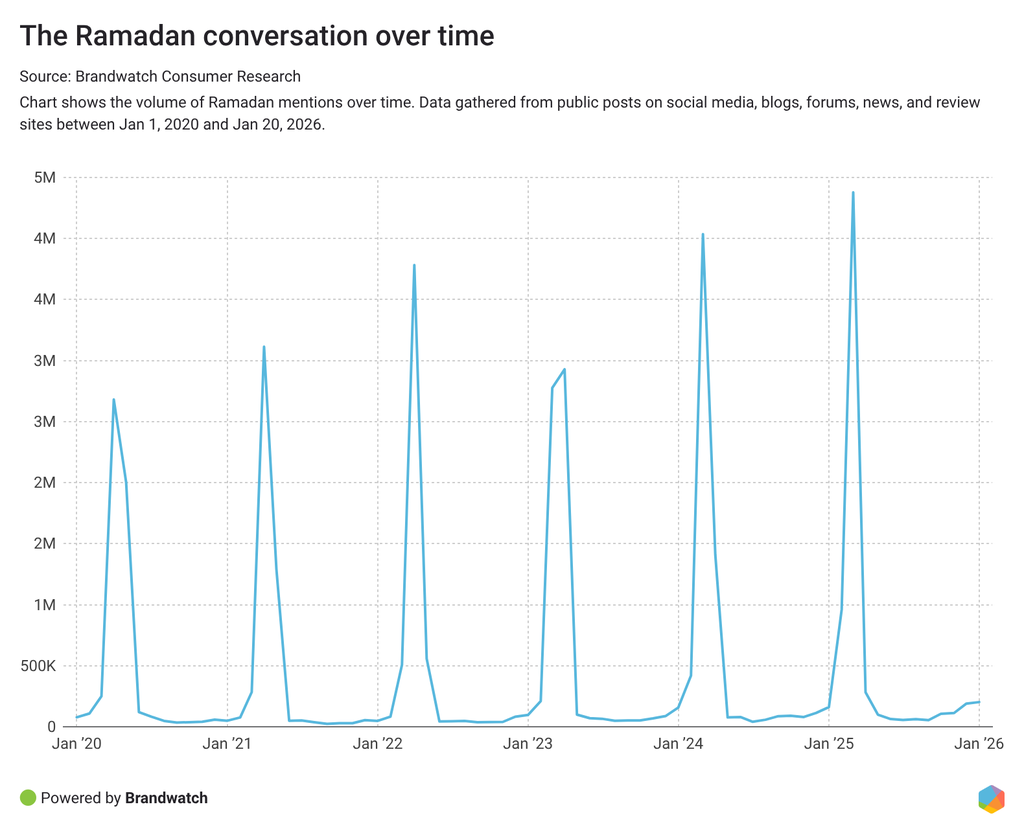
Ramadan conversations online have grown steadily year over year.
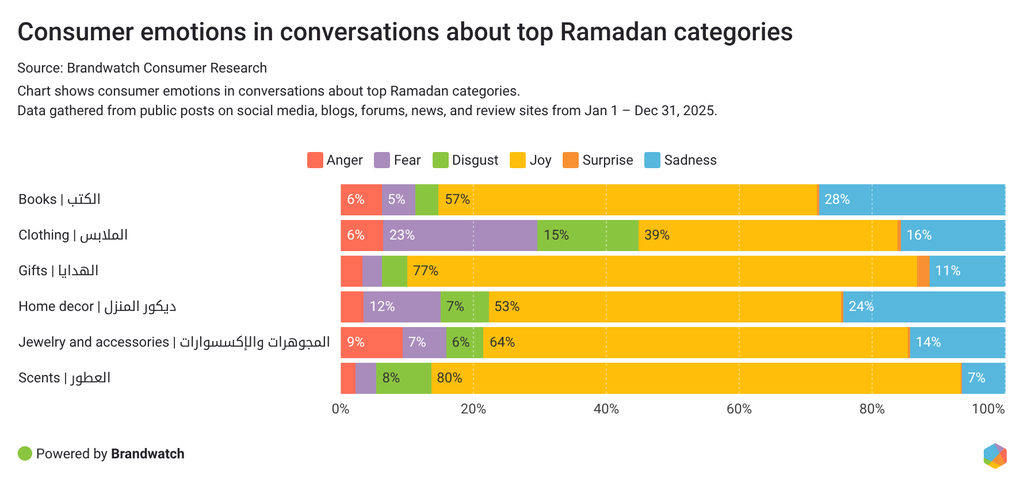
Ramadan mentions jumped 76% in the three months before the 2026 holiday compared to the same period in 2025 (November 1, 2025 – January 31, 2026), with joy accounting for 57% of all emotion-categorized Ramadan mentions.
People talked about togetherness, spirituality, and traditions, mentioning activities like Iftar dinners, family reunions, community events, and exceptional hospitality experiences.
Let’s dive into some of the most prominent themes showing up in these conversations.
People start talking about Ramadan one to three months before it starts. During this lead-up, conversations about gifts, clothing, home decor, and scents slowly start building up, reflecting how people prepare for the month and the celebrations that follow.
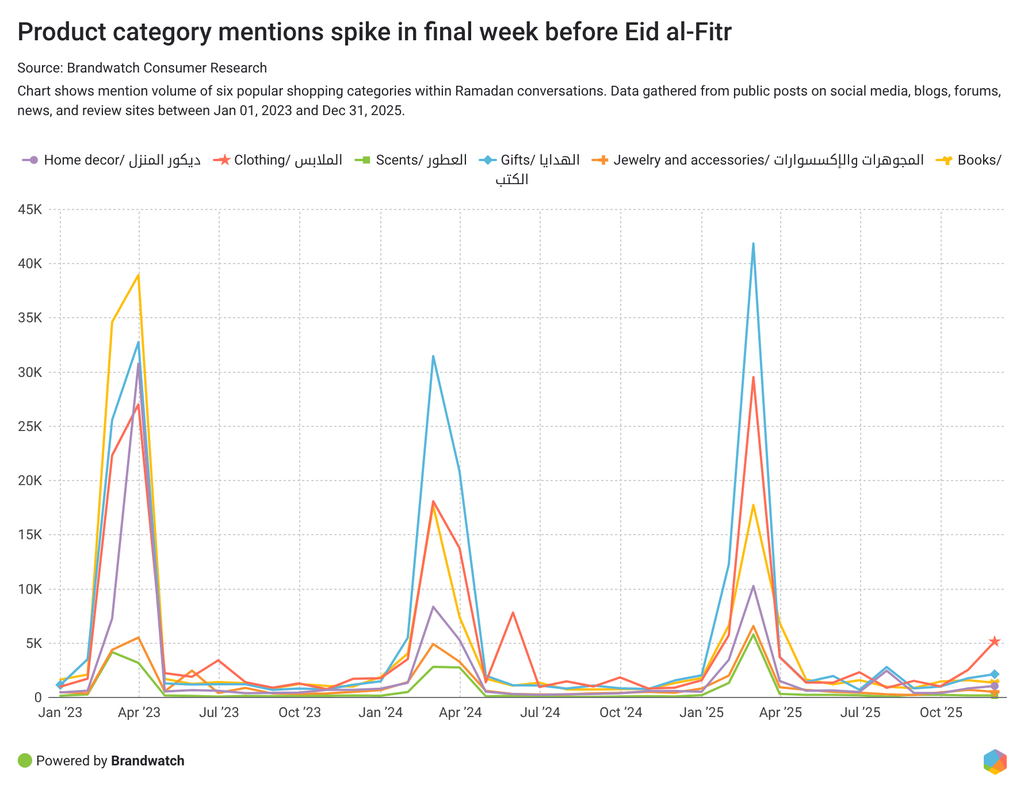
To understand how this anticipation plays out, we tracked mentions of six popular shopping categories in Ramadan conversations throughout 2025.
As the chart shows, conversations accelerate significantly in the lead-up to Eid al-Fitr, with all categories spiking in the final week – led by gifts. As families prepare to gather, exchange presents, and refresh their homes and wardrobes, spending becomes part of the emotional build-up to Eid – a joyful reward after a month of fasting and reflection.
Looking closer at shopping behavior, a few categories stand out.
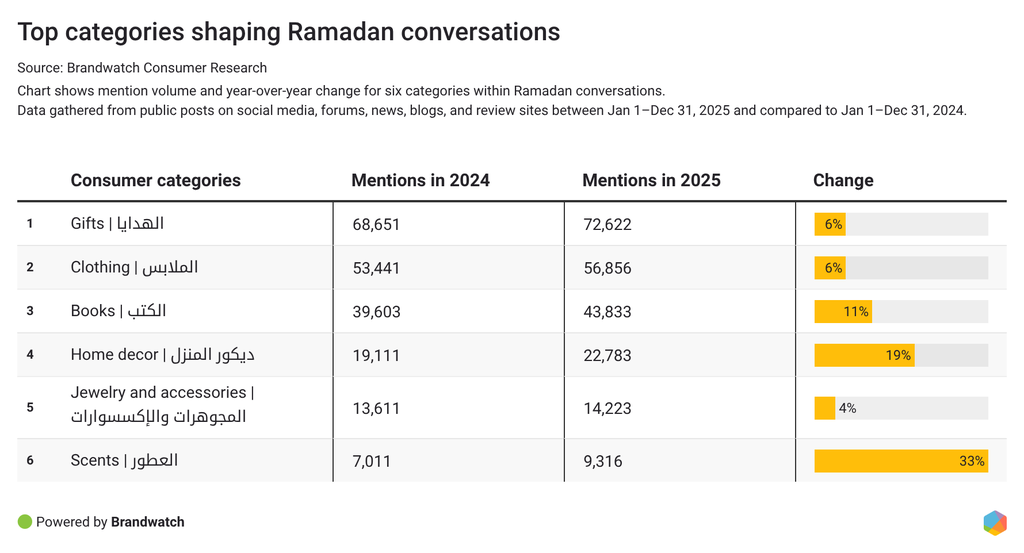
Of the six categories we tracked in Ramadan conversations, gifts and clothing dominate the discussion – a reflection on Ramadan’s focus on generosity, togetherness and celebration throughout the month.
Gift-giving plays a central role in strengthens family and community bonds throughout Ramadan. Conversations range from customized gift boxes and Eidi (monetary gifts for children).
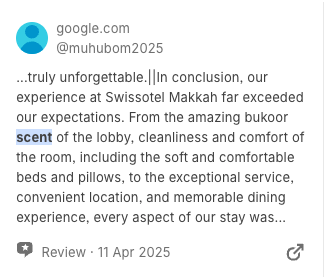
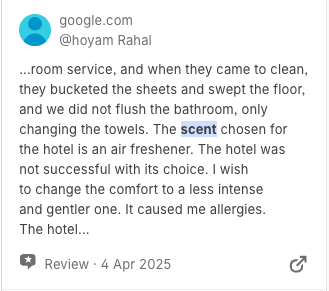
Scents stand out in a different way. Mentions of fragrance increased by 33% in 2025 compared to 2024 and carried the highest share of joyful sentiment. For many, scent is deeply tied to the feeling of Ramadan itself. As one person puts it on X: the fragrance of Ramadan in the air gives them hope.
Fragrance shapes mood and atmosphere – especially in hospitality settings. People share how bukoor (traditional incense) welcomes guests into hotel lobbies, or how specific perfumes help set the tone for iftar gatherings and Eid celebrations, blending scent, style, and identity into a single moment. We also see influencers tagging their favorite perfume brands alongside their Eid outfit details.
Festive clothing also see a big spike as families prepare for Eid. Wearing something new or special for the holiday is a tradition people value deeply – and it feels personal. As Eid approaches, outfit inspiration, styling tips, and brand recommendations take over social media.
Brands should think of Ramadan as an experiential moment, not just a commercial one. Consider how your brand can enhance the rituals that matter to your audience, whether through scent experiences in physical spaces, curated gift sets, or styling guides and outfit inspiration that helps people express their identity during Eid. The key is showing up in ways that add to the celebration rather than interrupt it.
Timing is just as important: while gifts stay relevant throughout the month, fashion conversations intensify as Eid approaches. Brands that align their content with these natural peaks are more likely to feel present, rather than intrusive.
Beyond what people buy, Ramadan fundamentally changes how and when people eat.
With fasting during daylight hours and shared meals at Suhoor and Iftar (morning and night), food is a major theme in Ramadan conversations.
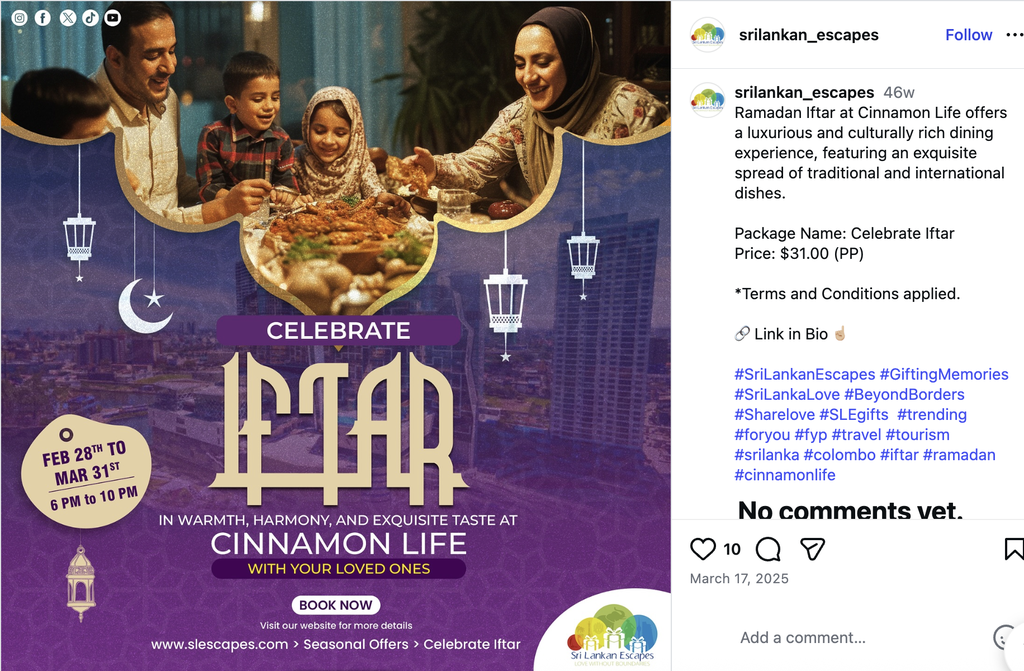
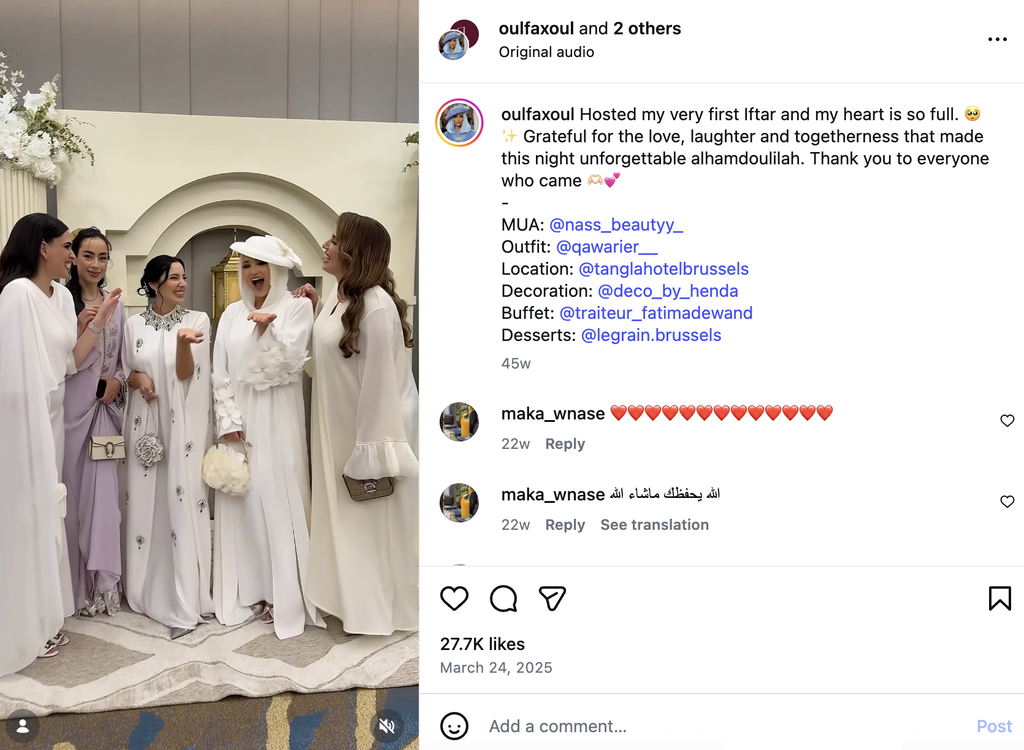
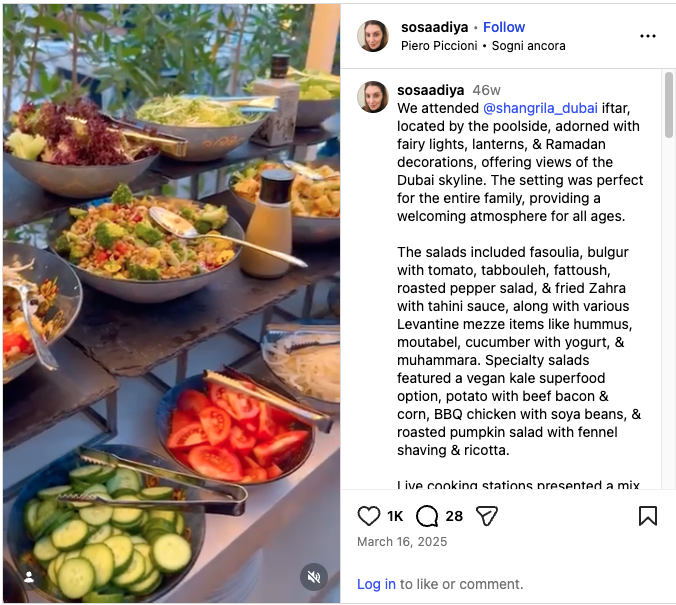
“Iftar parties” emerged as one of the most talked-about topics in 2025, with mentions reaching close to 900k – a 22% increase since 2024. The daily sunset meal isn’t treated as routine; it’s a social and emotional meal. Iftar is regularly discussed alongside ideas of community, togetherness, and generosity, with mentions of “community” rising 17% year over year within Iftar-related conversations.
Online, many fasting consumers share their excitement of preparing, cooking, and hosting Iftar dinners, alongside the familiar post-Iftar food coma that many joke about on social media. Ramadan recipes spiked 144% in 2025, with people scrolling endlessly for Iftar inspiration ideas and chatting about different dishes and snacks to try throughout the month.
Food creators play a major role in shaping these conversations. Across platforms, they share their favorite Ramadan recipes, from savory staples like chicken shawarma and haleem to indulgent desserts like baklava, often promoting the food brands they partnered with.
Dates stood out as a particularly strong ingredient, with mentions increasing by 10% in 2025 across both English and Arabic conversations.
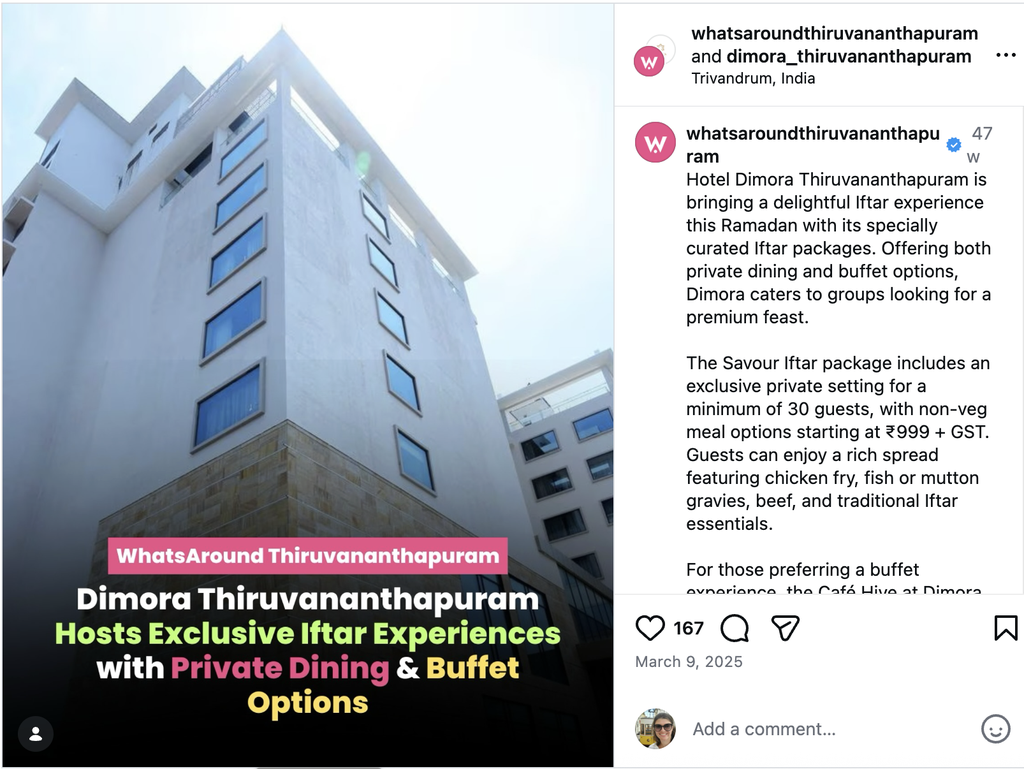
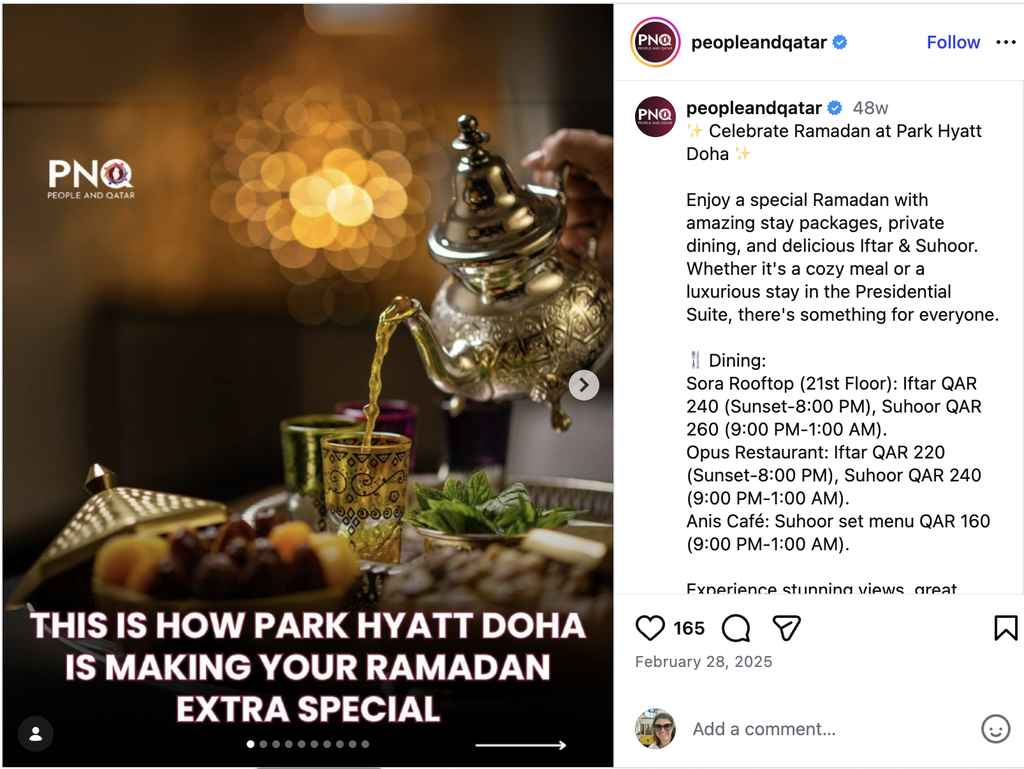
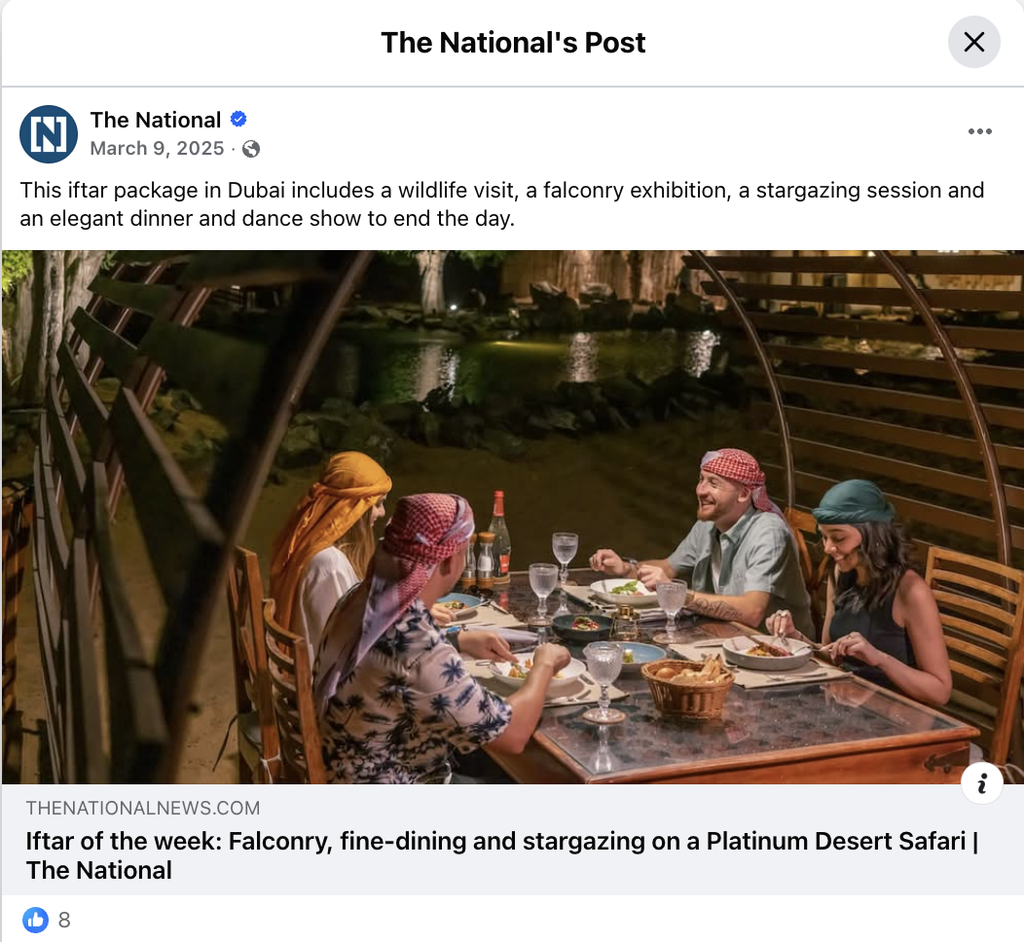
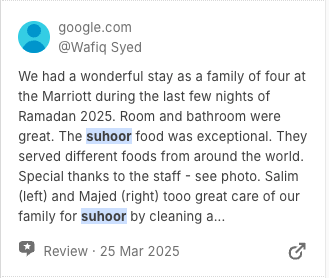
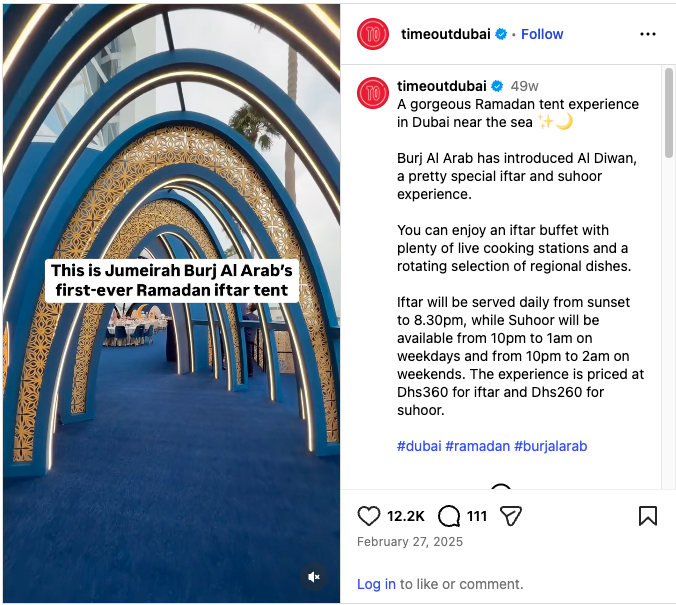
The social nature of Iftar and Suhoor also reshape the dining and hospitality landscape. Mentions of Iftar and Suhoor packages and ticketed events rose 145% in 2025 compared to 2024, as restaurants, hotels, and venues respond to demand for communal dining experiences.
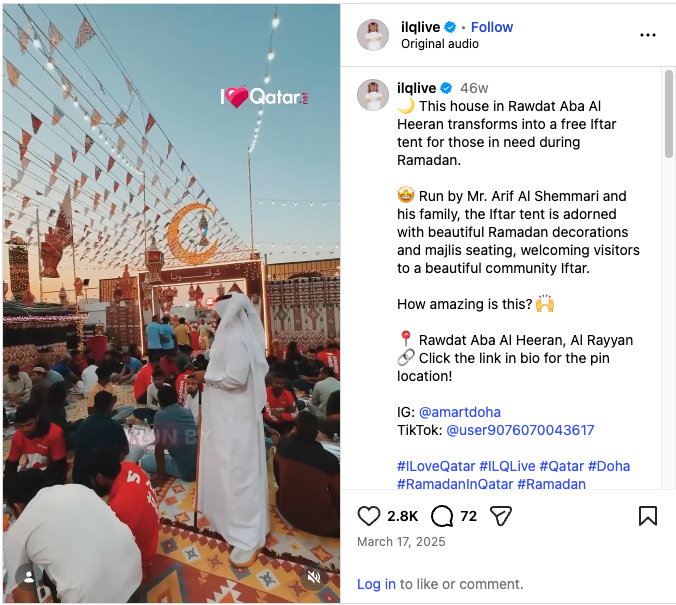
This trend extends beyond commercial settings. Many organizations ranging from football clubs to universities and public institutions host celebratory meals to promote inclusivity within their communities. These moments weren’t framed as promotions, but as acts of inclusion and participation.
For brands, the takeaway is clear: Suhoor and Iftar are about presence, not promotion. Brands that show up authentically – by hosting, supporting, or facilitating these gatherings – are rewarded with positive engagement and long-term goodwill.
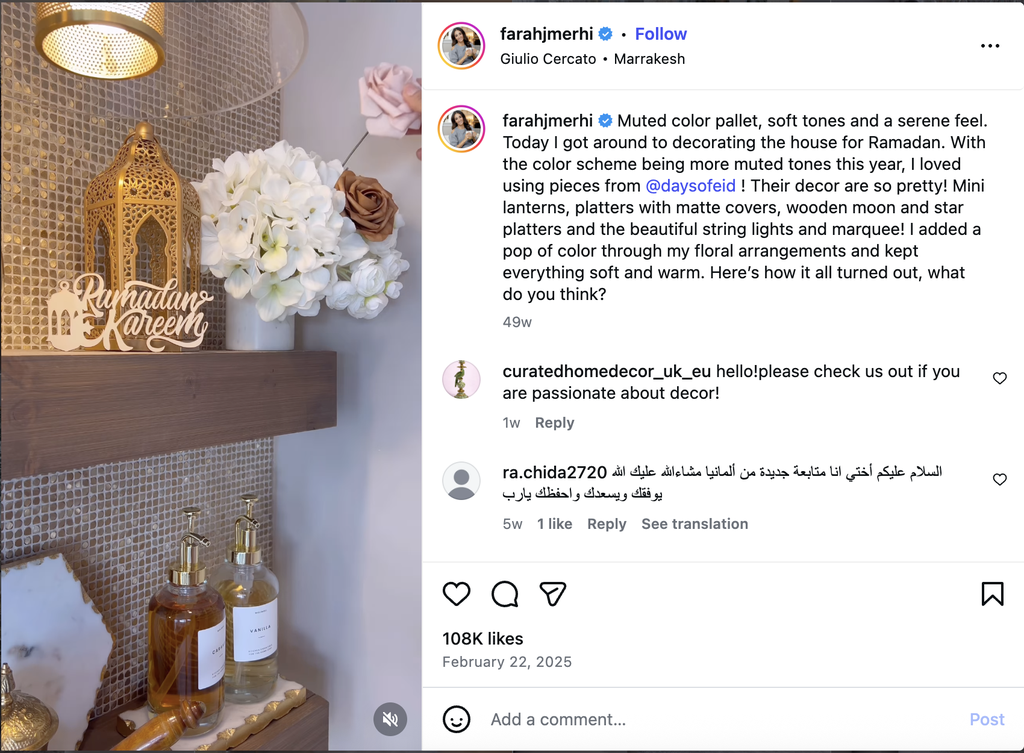
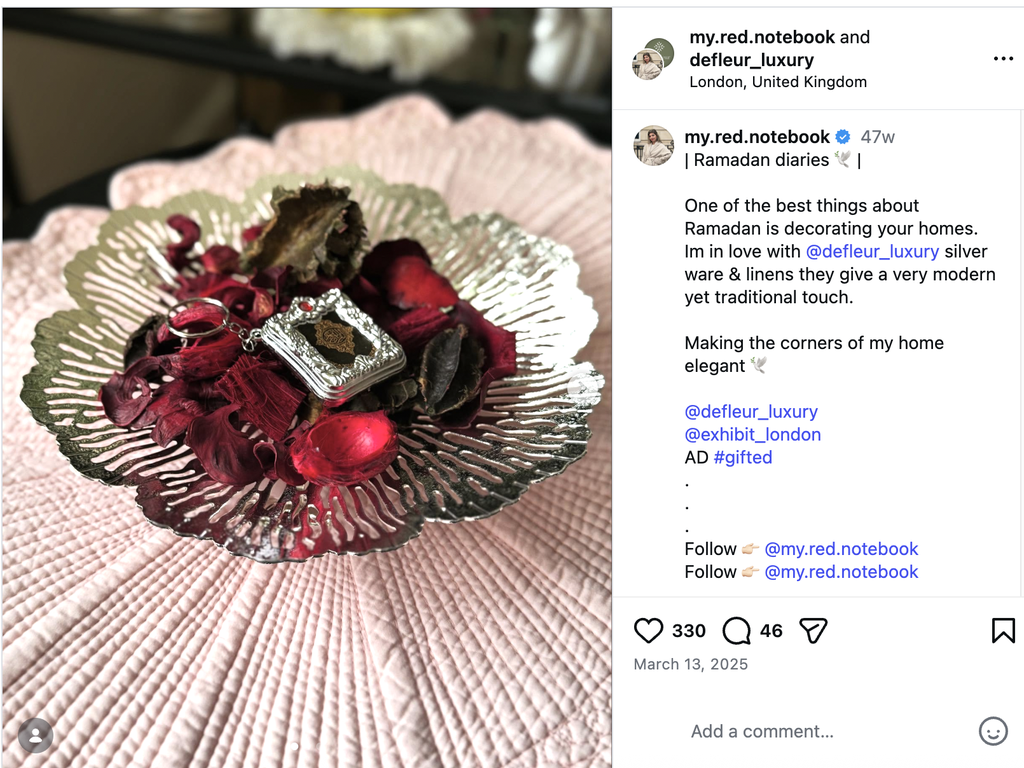
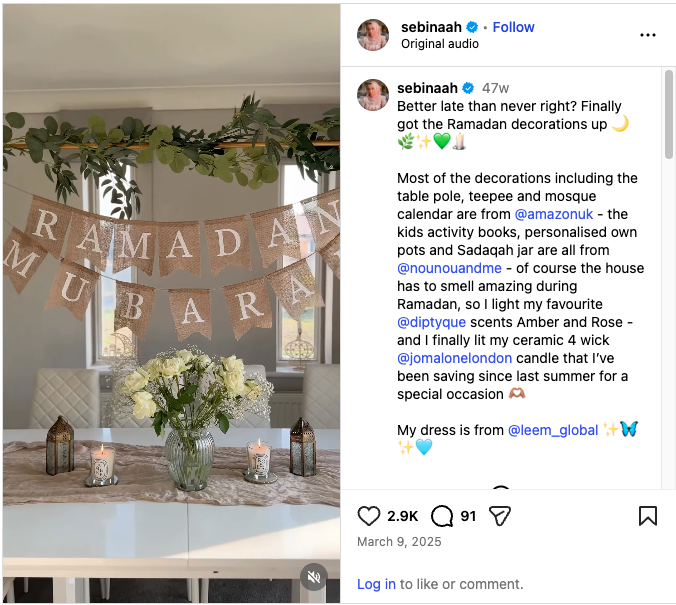
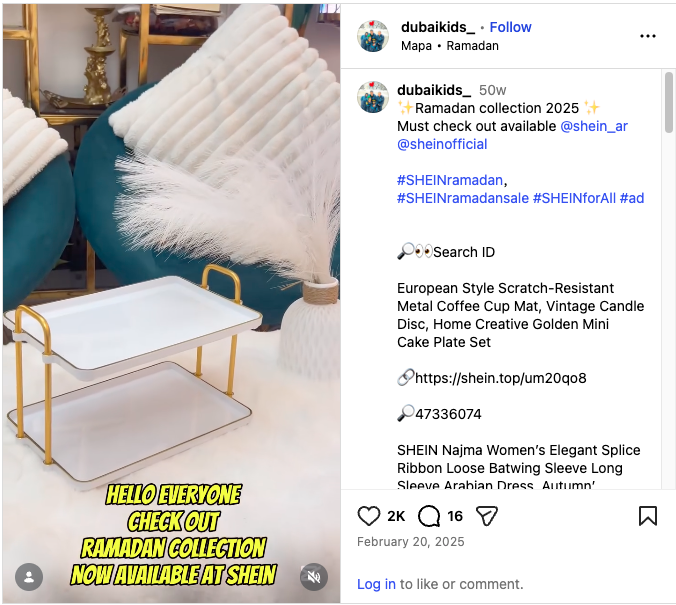
Ramadan decorations are increasingly bringing the festivities into people's homes. Mentions related to decor, styling, and home aesthetics grew 19% in 2025 compared to the previous year as people shared illuminated lanterns, themed table settings, and carefully styled Iftar spreads.
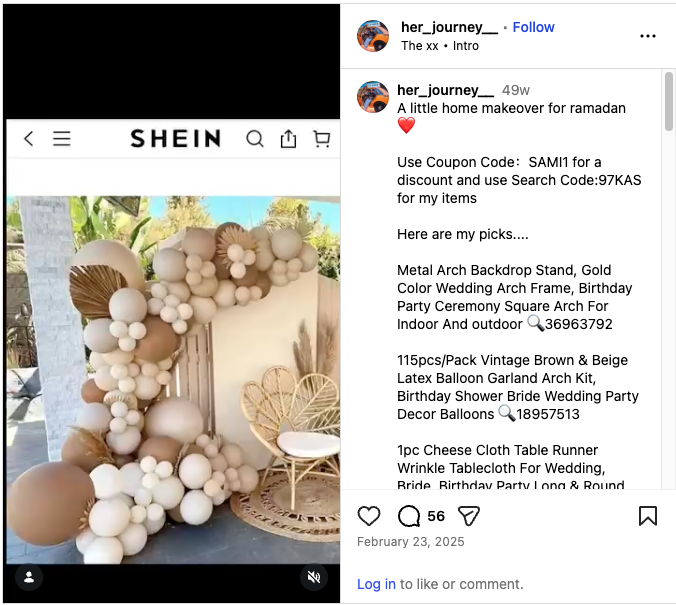
The visual aspect clearly matters. Across platforms, people showcase everything from small decorative touches to full home makeovers, often tagging the products and brands behind their setups.
English-language hashtags #RamadanDecor and #RamadanDecorations reached close to 1.4k mentions, a 129% increase compared to 2024, pointing to a growing appetite for inspiration and ideas around how to style Ramadan at home.
For home, lifestyle, and furniture brands, growing consumer interest in home aesthetics presents a major opportunity. You don't have to launch a separate Ramadan collection (though some brands do). Instead, consider partnering with lifestyle creators who can style your existing products in new, culturally resonant ways through shoppable content on their social media – and reach their already highly engaged audiences.
The physical environment shapes how people experience Ramadan. Holiday atmosphere is a recurring theme in many discussions – up 38% in 2025 compared to 2024 across discussions in English and Arabic.
Across regions, the scenes vary but the sentiment is consistent. Dubai’s night markets glow with festive lights, Doha illuminates landmarks with crescent and star displays, and cities like Bhopal come alive after dark with food stalls and Eid shopping. In European cities such London and Frankfurt, Ramadan street lighting has become a visible symbol of inclusion, encouraging wider participation.
But it’s not only cities that create festive holiday experiences.
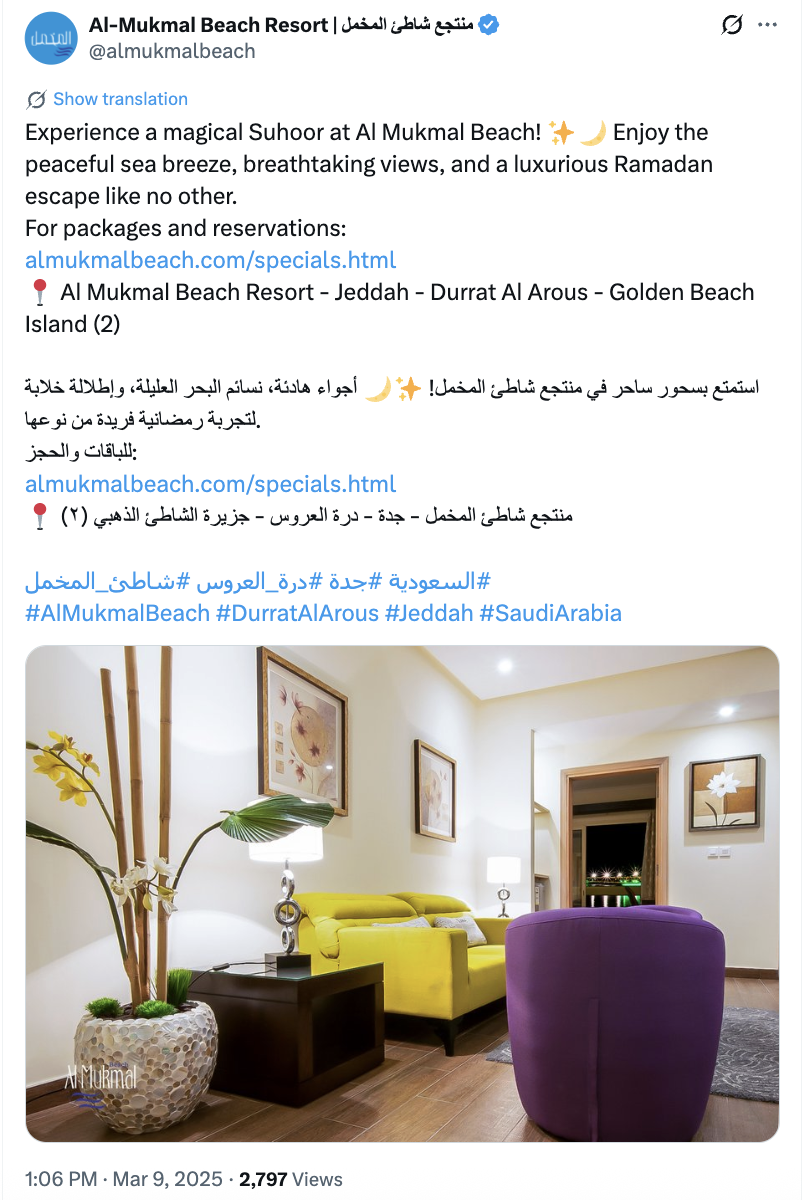
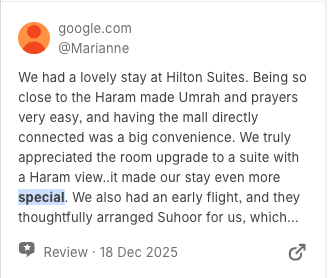
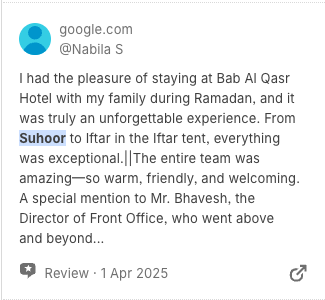
The entire hospitality industry, from airports to hotels to restaurants to shopping malls, is at the center of Ramadan discussions. Many hotels and restaurants offer special services and menus for Iftar and Suhoor. And shopping centers captivate visitors with breathtaking decorations and extended retail hours. Online, guests frequently praise exceptional experiences, from themed Iftar tents to hotels offering perfume-making sessions.
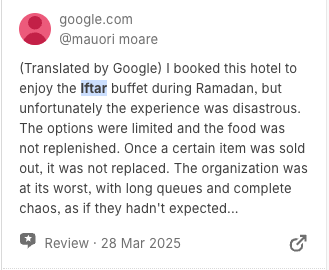
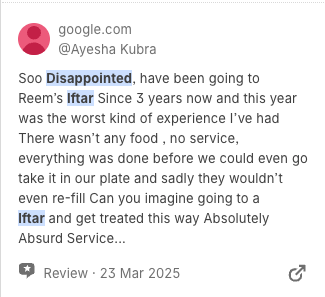
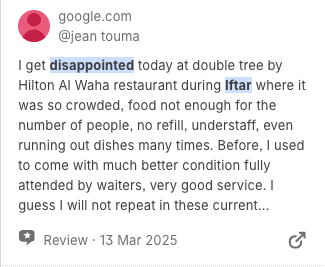
However, not all experiences meet expectations. Online reviews reveal that many hotel guests encountered limited food options, long waits, understaffing, and poor organization – with some venues running out of dishes entirely without replenishing them. For fasting guests who've waited all day to break their fast and paid for a special dining experiences, these aren't minor inconveniences; they're major letdowns.
Smart hospitality brands understand that guests aren't just experiencing a meal – they're experiencing the brand. That means maintaining service standards that match the significance of Iftar. Brands that nail the experience build real loyalty with their audiences and earn organic social buzz.
Speaking of social buzz – let's talk about how to maximize your reach online.
Great content won't matter if nobody sees it. During Ramadan, daily routines shift, and so does online activity.
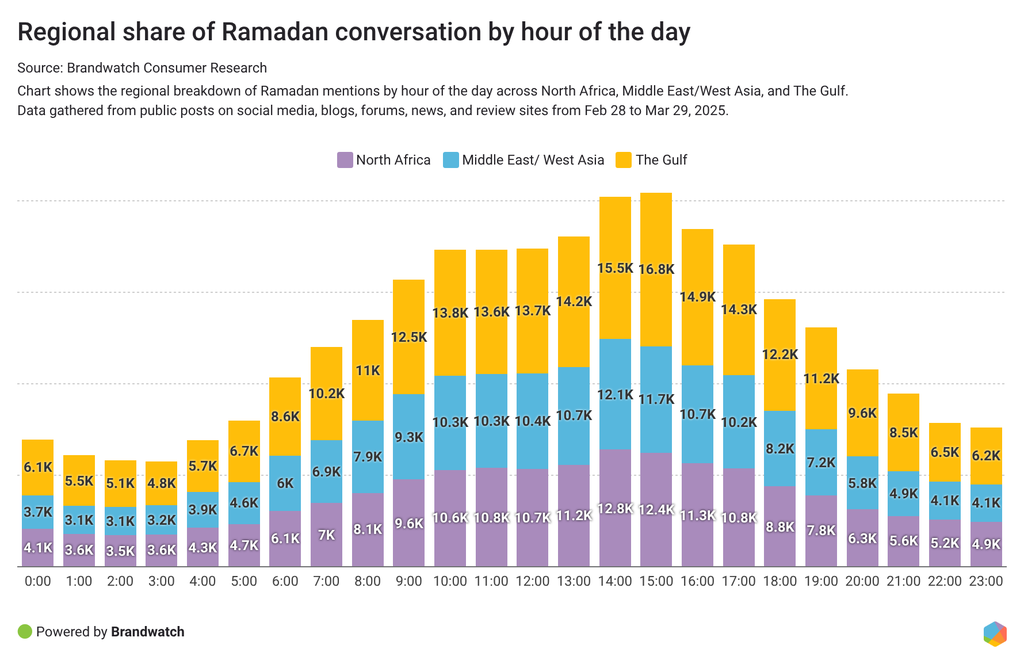
It’s important to note that brands should always rely on their own regional and platform-level analytics, as Ramadan traditions, foods, and even start dates vary by country. That said, analysis of Ramadan conversations from February 28 to March 29, 2025 reveals clear patterns in when people are most active online.
We grouped countries by geographic proximity to compare broad activity trends:
Afternoons and early evenings are peak hours across all regions.
Online activity steadily builds from mid-morning, peaking between 2 pm and 4 pm when all three regions show heightened engagement. The Gulf maintains the strongest presence throughout the day, particularly during these afternoon hours when activity reaches 15k – 16.8k mentions. Activity drops to its lowest point in the early morning hours (midnight to 4 am) before picking back up for Suhoor.
Consumer intelligence solutions like Brandwatch can help you track your specific audience’s behavior online in real time, giving you the precision needed to time your content when your online community is the most engaged.
Ramadan isn't just another marketing moment. It's a month-long celebration of community, generosity, and togetherness, and it’s growing bigger online every year.
The brands that succeed during Ramadan don't simply launch campaigns – they genuinely participate in the rituals that matter. Whether that's helping families create beautiful Iftar gatherings, supporting gift-giving traditions, or acknowledging the significance of this celebration, authenticity wins.
Storytelling is at the heart of it all. Speak to the events and cultural moments that resonate with your audience.
But great storytelling alone isn't enough. Marketing success depends on how well brands understand consumer behavior during the holidays – and how quickly they can act on those insights.
Social listening gives brands a massive opportunity to tap into real-time conversations, understand exactly what people are craving for in any given moment, and deliver campaigns that resonate.
Ramadan 2026 will be the biggest yet. Your community is already talking. Will your brand be listening?
Consumer Research gives you access to deep consumer insights from 100 million online sources and over 1.4 trillion posts.
Existing customer?Log in to access your existing Falcon products and data via the login menu on the top right of the page.New customer?You'll find the former Falcon products under 'Social Media Management' if you go to 'Our Suite' in the navigation.
Brandwatch acquired Paladin in March 2022. It's now called Influence, which is part of Brandwatch's Social Media Management solution.Want to access your Paladin account?Use the login menu at the top right corner.