


5 Social Media News Stories You Need to Read Right Now
By Bianca ParvuOct 23
Based on 564M+ social conversations and 4,600+ search queries, discover how combining search and social data unlocks deeper insights into what consumers want, think, and what your brand should do next.
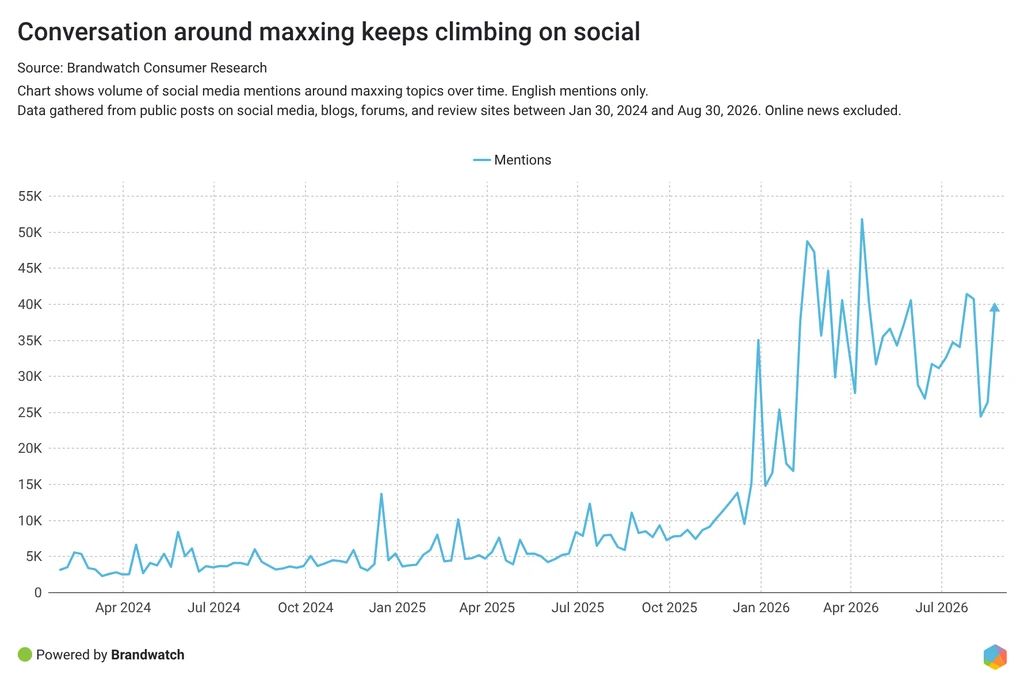
Search interest in maxxing fell while social exploded. Together, the signals show why single-channel analysis can miss how cultural trends are really evolving.
Between 2021 and 2026, “maxxing” went from niche internet slang to Dictionary.com's Word of the Year.
It all started with looksmaxxing, a practice of optimizing one’s appearance through various means like fitness, skincare, and even cosmetic procedures. The concept caught on. Today, people apply the suffix “-maxxing” to anything that can be optimized, including deoptimization (you’ll read about slowmaxxing further down.)
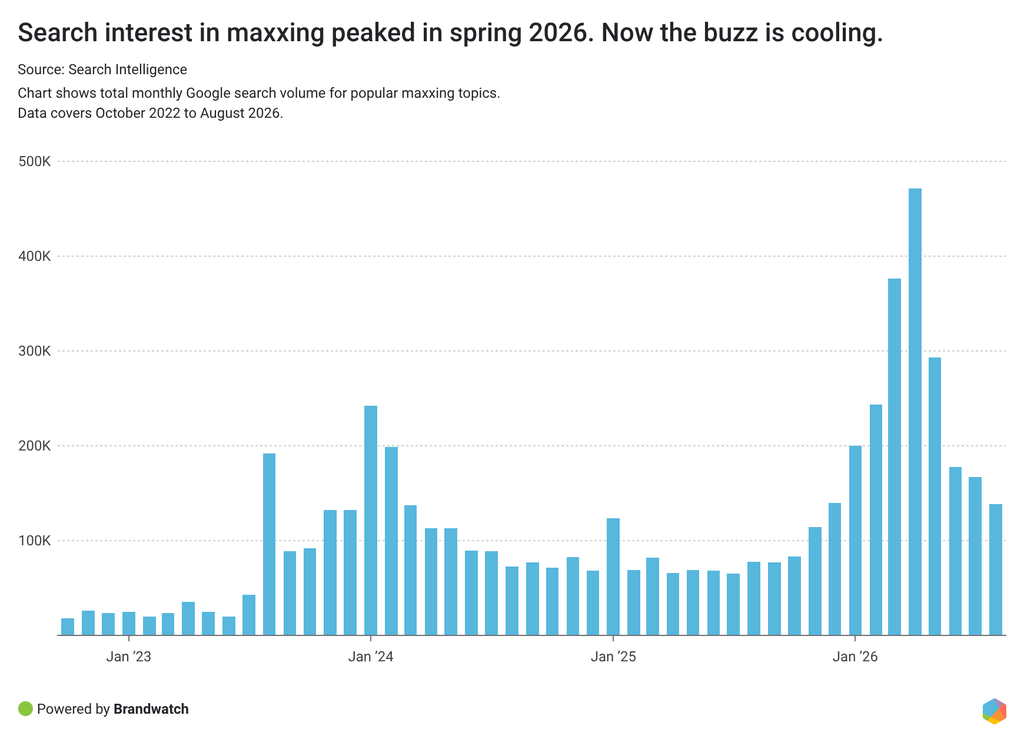
But for brands looking into the maxxing trend in 2026, the signals around the topic appeared to contradict each other. While all things maxxing were booming on social, search told a different story.
While social media mentions relating to maxxing terms jumped 372% year over year, search interest was cooling off – down 12.7% month over month and 55.7% over three months.
We analyzed search and social signals together to understand what was really happening.
Fewer people were looking up “maxxing,” and one reason might be that they already knew what it meant. The term had gone from something people searched for to the language they now actively used.
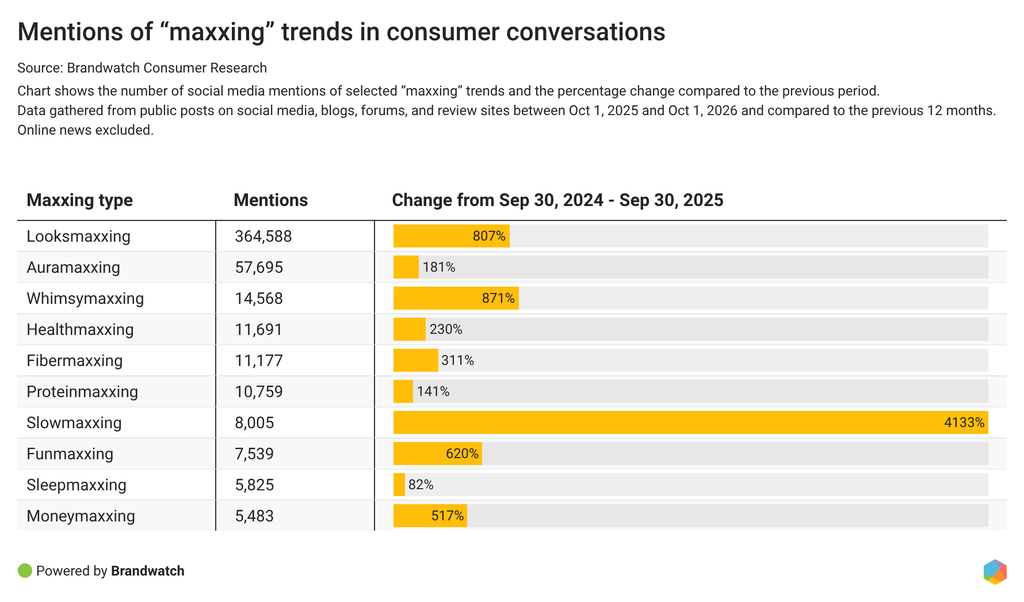
Social media told a richer story. Maxxing mentions climbed to 1.39 million, with 314% more people joining the conversation. Looksmaxxing remained the biggest topic – up 807% year over year, and it had inspired dozens of micro-trends growing even faster:
Together, these signals showed the trend wasn't dying; it was fragmenting. Search interest in the umbrella term may have been fading, but on social, maxxing was splitting into dozens of new variations.
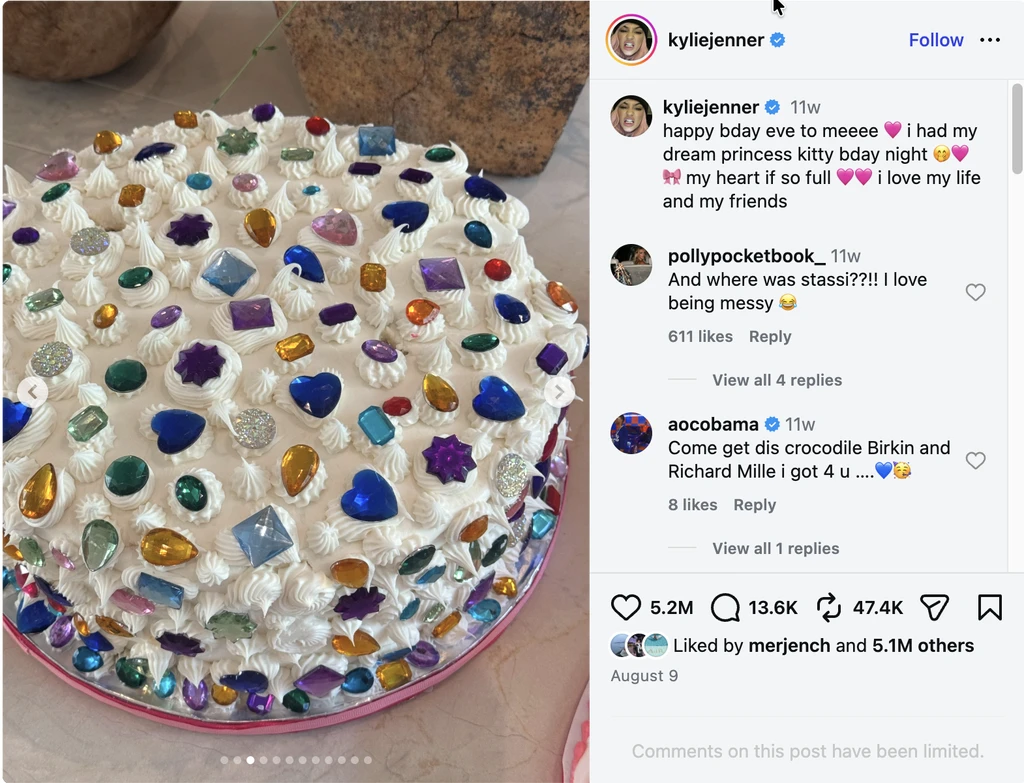
As people began to push back against the culture of constant optimization, whimsymaxxing emerged as an antidote: bedazzling everyday objects with rhinestones, stickers, and Y2K-style decorations to spark joy in daily routines.
The trend hit peak visibility when Kylie Jenner posted her jewel-encrusted birthday cake. The conversation took off: mentions of bedazzled items climbed 169% year over year, with 183% more people posting about wearing or creating them.
Social data captured the cultural moment and stimulated awareness and desire around the aesthetic. Then whimsymaxxing spiked on search as people looked to understand what the trend meant.
Finally, the movement’s commercial footprint was visible in rising interest in products like rhinestones, gems, and bedazzling supplies. Etsy reported 218% year-over-year increase in searches for “bedazzled kits,” while searches for “whimsical decor” grew 61% among Gen Z shoppers. Craft retailers like Michaels also reported growing online interest for gem stickers and decorative rhinestones.
Sales estimates pointed in the same direction. Top Amazon US rhinestone listings jumped from 87.5k units in August 2025 to 296.3k units by July 2026. The broader “bedazzling” category surged from 64.4k to 294.3k units over the same period.
Not everyone celebrated whimsymaxxing. As images of single-use decorations proliferated across social media, environmentally conscious consumers started calling it out by its own unique name: landfillmaxxing.
This backlash called out the waste created by disposable gem stickers and plastic decorations, with 99.96% of landfillmaxxing mentions showing negative sentiment.
Social data surfaced two conversations about one behavior. Whimsymaxxing posts celebrated the fun of decorating everything in sight, while landfillmaxxing posts mourned the waste left behind.
Slowmaxxing is another counter-trend that emerged within the maxxing conversation, and it stands for rejecting optimization culture, or maxxing, in its entirety.
Many slowmaxxing posts urged others to start reading “long, fat books” and “to breathe in and breathe out.” The trend grew 4,452% year over year, showing that cultural fatigue with constant optimization was building its own movement.
Search data showed declining maxxing interest. Social data explained why some of that decline was actually a conscious rejection. While looksmaxxing, tanmaxxing, and auramaxxing continued pushing optimization further, slowmaxxing represented people opting out.
The maxxing story shows why single-channel analysis falls short when tracking cultural trends.
Search data showed declining interest. Social revealed the trend was fragmenting into dozens of subtrends, each with different sentiment, audiences, and implications.
Together, they explained not just what was changing, but why – and whether brands should act on it.
That's the difference between spotting a shift in behavior and understanding it. For brands, that complete picture turns data into decisions.
This maxxing story is one chapter in our State of Search and Social 2027 report. You'll find similar stories about health supplements, AI search shifts, and food trends that demonstrate the value in tracking both signals together. Each show what happens when you stop analyzing channels separately and start connecting them.
This article draws on data from 1.29 million social media posts (August 30, 2025 and August 30, 2026) and search volumes totaling 5.7 million (September 2022 to September 2026), analyzed using Brandwatch Consumer Research and Trajaan.
What can search and social combined tell us about consumer trends?
Existing customer?Log in to access your existing Falcon products and data via the login menu on the top right of the page.New customer?You'll find the former Falcon products under 'Social Media Management' if you go to 'Our Suite' in the navigation.
Brandwatch acquired Paladin in March 2022. It's now called Influence, which is part of Brandwatch's Social Media Management solution.Want to access your Paladin account?Use the login menu at the top right corner.