How to Schedule Social Media Posts Effectively
By Sabrina DorronsoroNov 27
Your field guide to navigating the social media wilderness - powered by 18M+ data points and expertise from 1,000+ marketers.
Published June 27th 2025
Have you ever scrolled past an ad that had nothing to do with you, then stopped at one that felt like it was speaking directly to you? The first was easy to ignore; the second grabbed your attention. The difference lies in understanding the audience.
In 2025’s data-driven marketing landscape, understanding your audience is more critical than ever. Consumers are flooded with content and expect personalized experiences – in fact, 81% of consumers say they prefer brands that offer personalized experiences – so marketers who invest in audience analysis gain a competitive edge by tailoring messages that resonate. If you skip audience analysis, you risk wasting budget on the wrong messaging – a mistake no business can afford. As one Brandwatch expert put it, “Without fully understanding the preferences, demographics, and motivations of your audience, your campaigns and products won’t reach their full potential.” Audience analysis allows brands to gain a deeper understanding of current and potential customers to improve marketing strategy, customer experience, and even brand perception. Advanced ad platforms allow hyper-targeting of ads, but it’s still up to marketers to determine who to target and how to engage them for maximum impact. In the past, gaining these insights meant costly, time-consuming surveys and market research, but today social data and analytics can quickly reveal actionable audience insights. And with consumer trends and platforms shifting rapidly in 2025, keeping your audience understanding up-to-date has never been more important. This guide will explain what audience analysis is, the types of analysis and techniques available, and how to use them to improve your marketing outcomes.
Before diving in, let’s clarify a few basic terms:
Today, brands understand the importance of targeted marketing. Facebook and Google’s massive growth stems from their ability to sell hyper-targeted advertising. With all of the advertising and marketing tech available, targeting the audience of your choice is the easy part. The more difficult questions to answer are things like: Who should you be targeting? What kind of messaging and content should you use for specific groups? What type of campaign will generate the most engagement with this audience? Without fully understanding the preferences, demographics, and motivations of your audience, your campaigns and your products won’t reach their full potential.
Audience analysis allowed Fender to pinpoint the target audience for the campaign and determine what they liked most about Flea and the Chili Peppers. The results showed that the audience loved Flea’s individuality and that they used words like “fun,” and “weird” to describe Flea’s unique personality. Using those social insights, Fender developed the 【58†#MyFleaStyle】 campaign. The campaign asked fans to share a photo of their own unique musical style for a chance to win the new bass, with Flea himself picking the winner. The campaign was a massive success because they made a point to understand their audience first.
Without fully understanding the preferences, demographics, and motivations of your audience, your campaigns and your products won’t reach their full potential. In the past, gaining an understanding of your audience could only be accomplished by spending a lot of time and money on surveys and market research firms. Today, social media data helps brands gain actionable business insights about an audience quickly.
Marketers typically analyze their audience from a few different angles to get a complete picture. The main types include demographic, psychographic, behavioral, and geographic analysis:
(Visual: Imagine a Venn diagram overlapping traits like demographics, interests, and behaviors. The overlapping sections represent distinct audience segments that share those traits.)
When conducting audience analysis, you can draw on many data sources – from social data and customer experience feedback to classic market research surveys – to get a well-rounded view of your audience.
Tip: Combine quantitative and qualitative methods for best results – e.g. surveys can tell you “what” and “how many,” while interviews and social listening help explain “why.” Using both will give you a fuller picture of your audience. For example, when launching a campaign you might analyze your customer data to spot key segments, send a survey for broad feedback, and then hold a focus group to explore the "why" behind the numbers – all while using social listening to monitor real-time reactions. Combining methods in this way ensures you cover all bases.
When analyzing an audience, be sure to identify these key factors:
Example: Imagine you're promoting a new financial app to Gen Z consumers. Your audience analysis might reveal they need convenient mobile access, do not know much about investing (knowledge), feel skeptical about traditional banks (attitude), and see a lack of money as a barrier to saving. Armed with these insights, you could create educational content to build their financial knowledge, use a friendly tone to address their skepticism, and highlight how your app’s features (like no minimum balance) remove entry barriers.
Understanding these aspects helps you craft messages that meet your audience’s needs, clarify what they don’t know, align with their values, and remove obstacles that are in their way.
Effective audience analysis informs virtually all areas of marketing and communication:
A major benefit of audience analysis is the ability to segment your audience and deliver tailored messaging. By dividing your audience into meaningful segments, you can address each group’s specific interests or needs, rather than using one-size-fits-all content. Tailored, personalized marketing is far more engaging to consumers – modern audiences worldwide expect personalization and will gravitate to brands that “get” them. Segmentation allows you to allocate your marketing budget more efficiently and achieve better results. For example, you might discover through analysis that your email newsletter audience has two distinct segments (say, budget-conscious users vs. premium shoppers); you can then send different versions of your newsletter with product recommendations suited to each segment. This kind of personalization increases the likelihood each group will click, share, or convert because the message feels relevant to them.
Even tech giants like Netflix and Amazon rely on audience analysis to personalize recommendations. Netflix, for example, analyzes viewer behavior to categorize users into dozens of taste profiles and serve up content tuned to each viewer, while Amazon uses purchase data to recommend products each customer is likely to buy. These approaches are a testament to how segmentation boosts engagement and loyalty.
In short, audience analysis + segmentation = more effective, personalized marketing.
If your audience spans multiple regions or countries, keep these tips in mind:
To conduct audience analysis effectively, remember these best practices:
Investing in audience analysis pays off across all your marketing efforts. At the end of the day, marketing success comes down to knowing and connecting with your audience – the better you understand them, the more your messages will resonate. Audience analysis is undoubtedly one of the best ways to understand customer expectations, preferences, and needs. There are different audience analysis methods, each helping you understand a certain aspect of your audience. But the question remains – what tool to use? If you don’t have an idea where to start, might we suggest SurveySparrow?
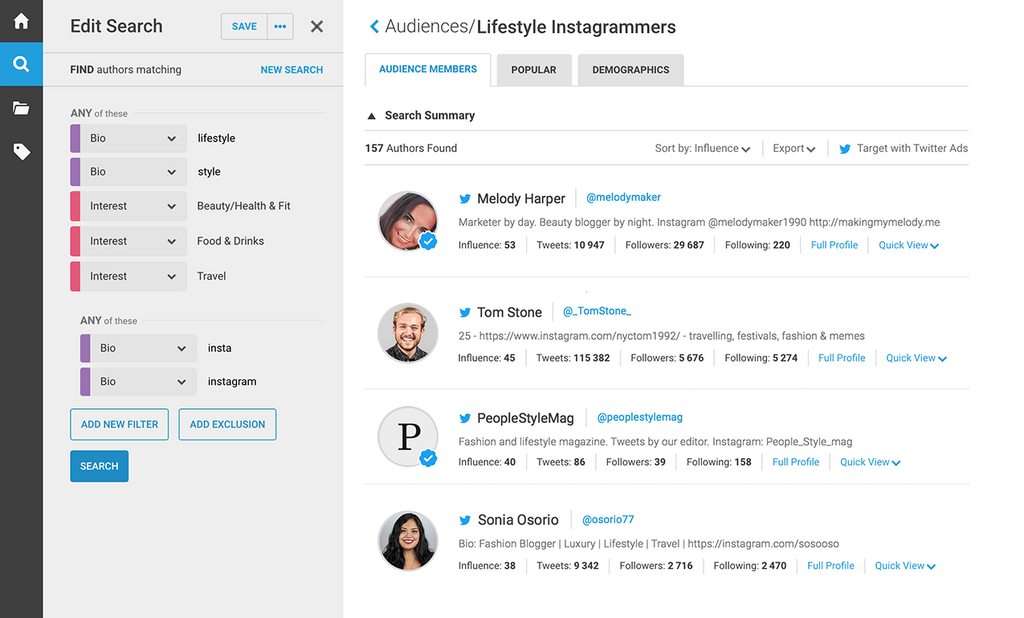
For marketers who make the effort to truly know their audience, the rewards—higher engagement, loyalty, and return on investment—are well worth it. Next steps: Put these ideas into practice. Start by reviewing your current audience data or gathering new feedback to uncover fresh insights – you might be surprised by what you discover. And consider leveraging advanced tools to supercharge your audience insights. For example, Brandwatch Consumer Research is one such platform, (Brandwatch Consumer Research, for instance, uses AI to analyze data from over 100 million online sources to surface consumer insights fast), unlocking valuable insights from social data in real time. Armed with rich audience intelligence, you’ll be well-equipped to understand and engage your audience effectively – and that is the cornerstone of successful marketing in 2025 and beyond. In the end, listening to your audience and understanding their world is the surest way to create marketing that not only reaches people, but moves them.
Understand and engage at the speed of social with the social suite built for our fast-moving world.
Discover instant audience intelligence powered by the largest influencer database of its kind
Existing customer?Log in to access your existing Falcon products and data via the login menu on the top right of the page.New customer?You'll find the former Falcon products under 'Social Media Management' if you go to 'Our Suite' in the navigation.
Brandwatch acquired Paladin in March 2022. It's now called Influence, which is part of Brandwatch's Social Media Management solution.Want to access your Paladin account?Use the login menu at the top right corner.